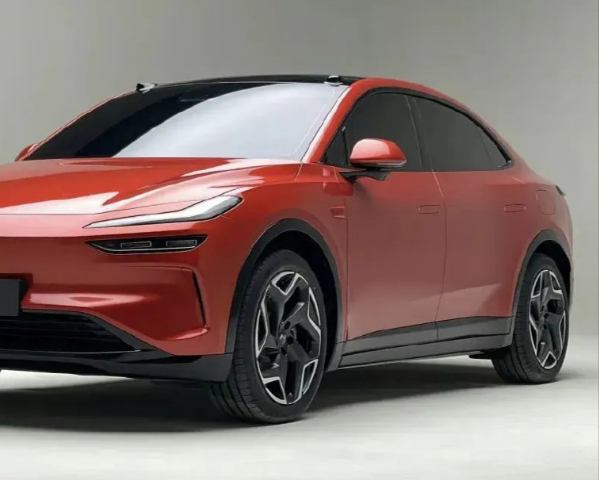
As global demand for affordable and reliable electric vehicles (EVs) continues to grow, cross-border sourcing has become an important procurement strategy for dealerships, fleet operators, and automotive distributors. Compared with traditional internal combustion engine (ICE) vehicles, purchasing pre-owned EVs requires additional attention to battery condition, software compatibility, export compliance, and international logistics.
This FAQ answers some of the most common questions raised by international buyers and provides practical guidance for building a safer and more transparent procurement process.
Section 1: Supplier Selection and Vehicle Verification
Q1: What are the biggest risks when sourcing used EVs in bulk?
Bulk procurement offers significant pricing advantages, but it also introduces risks that are unique to electric vehicles.
Unlike conventional vehicles, the most valuable component is the high-voltage battery, which represents a substantial portion of the vehicle’s overall value. Cosmetic condition and mileage alone cannot accurately reflect the real condition of an EV.
Before confirming an order, buyers should pay close attention to:
- Verified battery health (SOH) reports
- Vehicle maintenance history
- Previous charging patterns
- Signs of accident repairs involving the battery structure
- Complete export documentation
Choosing suppliers that provide transparent inspection reports and traceable maintenance records helps reduce procurement risk while improving confidence throughout the purchasing process.
Q2: How can overseas buyers verify vehicle quality without visiting China?
Remote procurement has become increasingly common, but it should always follow a standardized verification process.
A recommended workflow includes:
- Request an independent third-party inspection report
- Obtain an official State of Health (SOH) certificate generated through professional battery diagnostics
- Review high-resolution videos showing:
- Exterior condition
- Interior condition
- Instrument cluster
- Battery diagnostic screen
- Undercarriage inspection
- Verify the Vehicle Identification Number (VIN) across all documentation.
Many experienced importers also prefer working with suppliers that maintain consistent inspection standards and transparent vehicle histories. Platforms such as UsedEVChina provide verified inventory together with battery reports and export documentation, helping overseas buyers reduce uncertainty before shipment.
Section 2: Shipping and Technical Considerations
Q3: Which shipping methods are commonly used for exporting used electric vehicles?
Because EV batteries are classified internationally as Class 9 Dangerous Goods, transportation must comply with strict maritime regulations.
| Shipping Method | Typical Application |
|---|---|
| Roll-on/Roll-off (Ro-Ro) | Best for high-volume fleet shipments with lower transportation costs per vehicle |
| Full Container Load (FCL) | Recommended for premium vehicles requiring additional physical protection |
Regardless of the shipping method, exporters normally prepare:
- Battery safety documentation
- Export customs declaration
- Dangerous goods documentation (when required)
- Battery Material Safety Data Sheet (MSDS)
- Shipping inspection records
Working with logistics providers experienced in EV transportation helps minimize customs delays and shipping risks.
Q4: What battery charge level is recommended before international shipment?
Battery charge level plays an important role in transportation safety.
Industry practice generally recommends maintaining the State of Charge (SOC) between 20% and 50% before loading.
This range provides several advantages:
- Reduces battery stress during long-distance transportation
- Minimizes thermal risks
- Leaves sufficient energy for loading and unloading operations
- Helps protect long-term battery performance
Shipping a vehicle with either a completely full battery or an extremely low battery is generally discouraged unless specific carrier requirements apply.
Section 3: Payment Terms and Total Import Cost
Q5: What payment methods are commonly used in international used EV transactions?
Professional exporters typically follow internationally recognized trade practices.
The most common payment structure is:
- 30% deposit after confirming the purchase agreement
- Vehicle inspection
- Domestic deregistration
- Export documentation processing
- Remaining 70% balance paid after receiving the Bill of Lading (B/L) or according to the agreed Incoterms.
For larger fleet purchases, some buyers also choose Letters of Credit (L/C) to improve transaction security and reduce financial risk for both parties.
Regardless of the payment method, buyers should always transfer funds to a legally registered corporate account rather than a personal bank account.
Q6: How should buyers calculate the total landed cost of imported EVs?
The purchase price represents only part of the total investment.
A complete cost analysis should include:
- Vehicle purchase price
- Ocean freight
- Marine insurance
- Destination port handling charges
- Import duties and taxes
- Customs clearance fees
- Local registration costs
- Charging adapter conversion (if required)
- Software localization
- Inspection and compliance expenses
For example, some destination markets require conversion from the Chinese GB/T charging standard to CCS2 or NACS compatibility. These additional costs should be included when evaluating overall profitability.
By calculating the complete landed cost before placing an order, importers can estimate realistic margins and avoid unexpected expenses after arrival.
Final Thoughts
International procurement of used electric vehicles has become increasingly standardized, but success still depends on careful planning and transparent supplier relationships.
By focusing on battery health, verifying documentation, understanding export regulations, selecting appropriate logistics, and calculating total landed costs, dealerships and fleet operators can significantly reduce procurement risks while improving long-term profitability.
As the global used EV market continues to mature in 2026, businesses that adopt data-driven sourcing strategies will be better positioned to deliver reliable vehicles, improve customer confidence, and compete effectively in their local markets.