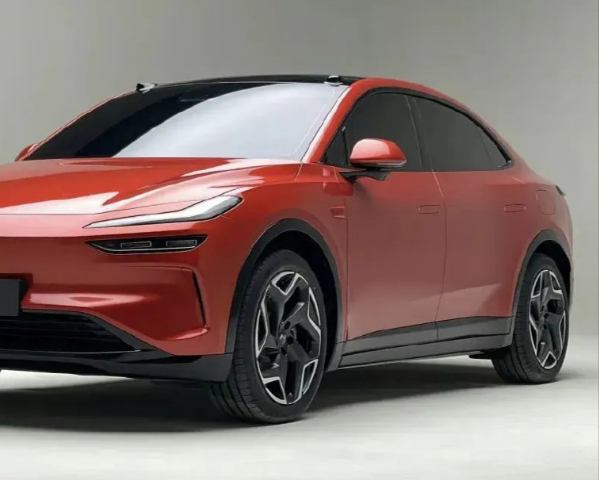
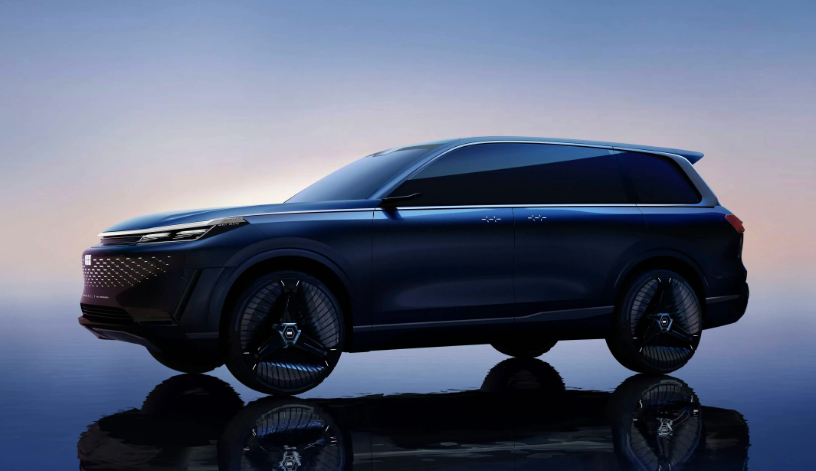
The international used vehicle market is entering a new phase. As electric vehicle adoption continues to accelerate worldwide, a growing number of dealerships, fleet operators, and automotive importers are turning their attention to China’s rapidly expanding used EV supply chain.
Just a few years ago, concerns surrounding battery degradation, software compatibility, and export compliance limited buyer confidence. In 2026, however, market conditions look very different. Improved battery technology, standardized vehicle inspections, and more mature export procedures have significantly increased international demand for certified pre-owned electric vehicles from China.
For many global buyers, sourcing Chinese used EVs is no longer viewed as an experimental strategy—it is becoming an increasingly practical way to access modern electric vehicles at competitive prices.
Why 2026 Is a Key Year for China’s Used EV Export Market
A significant portion of the vehicles entering the secondary market today were originally purchased between 2022 and 2024, when China’s EV market experienced rapid growth.
Many of these vehicles are now reaching the end of their first ownership cycle through:
- Lease returns
- Trade-in programs
- Corporate fleet replacements
- Consumer upgrades
Unlike traditional used vehicle markets, where aging vehicles often dominate supply, many Chinese EVs entering the export channel are only two to four years old.
Features Commonly Found in Recent Chinese EV Models
| Technology | Potential Benefit for Used EV Buyers |
|---|---|
| 800V Fast-Charging Systems | Faster charging and improved usability |
| Advanced LFP Battery Technology | Strong long-term durability and stability |
| OTA Software Updates | Ongoing software improvements |
| ADAS Features | Enhanced driving assistance capabilities |
| Smart Cockpit Systems | Modern connectivity and infotainment functions |
These vehicles often retain a high level of functionality while experiencing significant depreciation compared with their original retail price.
For dealerships and fleet operators, this creates opportunities to acquire relatively modern EV inventory at substantially lower acquisition costs.
Battery Health Has Become the Most Important Purchasing Metric
While mileage remains important, experienced buyers increasingly focus on battery State of Health (SOH) when evaluating used electric vehicles.
SOH measurements provide a clearer indication of remaining battery performance and long-term value.
When sourcing inventory, buyers should prioritize vehicles that include:
- Independent battery diagnostics
- Third-party inspection reports
- Battery management system (BMS) data
- Charging history records
- Comprehensive vehicle condition reports
A transparent battery evaluation process helps reduce uncertainty and improves resale confidence.
Why SOH Matters
Two vehicles may appear identical externally, but battery condition can dramatically affect their long-term value.
For example:
- Vehicle A: 90% SOH
- Vehicle B: 80% SOH
Although both vehicles may have similar mileage and cosmetic condition, the vehicle with higher battery health generally offers greater driving range, improved resale potential, and stronger customer appeal.
For this reason, battery health reports have become a key selling point in many international EV markets.
Which Chinese EV Brands Are Attracting Global Buyers?
China’s EV market offers a wide range of vehicle categories, allowing importers to target different customer segments.
Volume Market Models
Popular models from manufacturers such as BYD and GAC Aion continue to attract attention due to their balance of affordability, driving range, and battery durability.
These vehicles are frequently sourced for:
- Taxi fleets
- Ride-hailing operators
- Corporate transportation
- Entry-level retail customers
Premium Electric Vehicles
Higher-end models from manufacturers such as Zeekr, XPeng, and Li Auto are gaining popularity in markets seeking advanced technology features.
Common buyer interests include:
- Intelligent driving systems
- Premium interiors
- Extended driving range
- Advanced connectivity functions
For many importers, these vehicles offer a competitive alternative to more expensive European and Japanese models.
Understanding Export Requirements in 2026
Successful vehicle sourcing requires more than selecting inventory.
Buyers should also understand the export process and documentation requirements.
A typical export workflow includes:
Step 1: Vehicle Selection and Inspection
The vehicle undergoes:
- Mechanical inspection
- Battery health evaluation
- Cosmetic assessment
- Documentation verification
Step 2: Domestic De-registration
The vehicle must be officially removed from China’s domestic registration system before export.
Step 3: Export Licensing and Customs Procedures
Required documentation is submitted to the relevant authorities to obtain export approval.
Step 4: International Shipping
Depending on destination requirements, vehicles may be transported through:
- Ro-Ro (Roll-on/Roll-off) shipping
- Container shipping
- Specialized battery-compliant logistics solutions
Working with experienced exporters helps reduce the risk of customs delays and documentation issues.
How B2B Buyers Can Maximize Profitability
Successful importers typically evaluate vehicles based on total lifecycle value rather than cosmetic appearance alone.
Key evaluation criteria include:
Battery Residual Value
The battery pack often represents the most valuable component of an electric vehicle.
Understanding battery condition allows buyers to estimate future market demand more accurately.
Software Localization
Before entering a new market, some vehicles may require:
- Language pack installation
- Navigation updates
- Connectivity adjustments
- Regional software configuration
These modifications are generally straightforward but should be considered during procurement planning.
Transparent Vehicle History
Modern buyers increasingly expect data-driven purchasing decisions.
Providing inspection reports, battery diagnostics, and maintenance records can significantly improve customer confidence and shorten sales cycles.
Market Outlook
China’s used EV export market continues to mature as battery technology improves and global demand for affordable electric mobility increases.
For dealerships, fleet operators, and automotive traders, the current market presents an opportunity to access relatively young electric vehicles equipped with modern technology at competitive acquisition costs.
Companies that prioritize battery State of Health (SOH) verification, regulatory compliance, and transparent sourcing practices are likely to be better positioned as international demand for certified used electric vehicles continues to grow throughout 2026 and beyond.