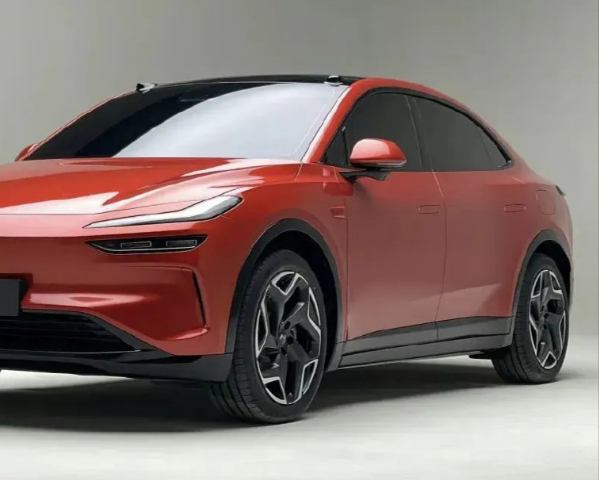
Why More Global Buyers Are Sourcing Used Vehicles from China
China has become one of the fastest-growing sources of export-ready used vehicles, offering both electric vehicles (EVs) and traditional fuel-powered models for international markets.
However, successful procurement involves much more than finding available inventory. Importers must evaluate vehicle condition, export compliance, logistics requirements, software compatibility, and long-term maintenance support before placing orders.
The following FAQ addresses the most common questions raised by dealerships, fleet operators, distributors, and vehicle import companies sourcing used vehicles from China in 2026.
FAQ 1: How Can Buyers Verify Vehicle Condition Before Purchase?
One of the first concerns for international buyers is how to assess vehicle quality without conducting an on-site inspection.
Professional exporters rely on technical diagnostics rather than visual evaluations alone.
For electric vehicles, buyers should request detailed battery State of Health (SoH) reports and Battery Management System (BMS) data. These reports provide valuable information about:
- Remaining battery capacity
- Charging history
- Battery temperature performance
- Cell voltage consistency
- Battery fault records
For traditional fuel vehicles, condition assessments typically include:
- Engine compression testing
- Transmission inspection
- Suspension evaluation
- Emissions system diagnostics
- Chassis inspection
Many professional exporters also provide independent third-party inspection reports to increase transparency and reduce purchasing risk.
FAQ 2: What Battery Health Level Is Generally Acceptable for Exported EVs?
Battery condition is one of the most important factors influencing the value of a used EV.
Most international buyers consider a battery SoH above 85% to be a desirable benchmark for commercial resale.
Vehicles with lower battery health may still be suitable for specific markets, but buyers should account for:
- Reduced driving range
- Potential battery refurbishment costs
- Lower resale value
- Increased warranty risks
Requesting battery diagnostic data before purchase is considered standard practice in professional EV procurement.
FAQ 3: Are Chinese EVs Compatible With International Charging Infrastructure?
Not always.
Most vehicles produced for the Chinese domestic market use the GB/T charging standard, while many overseas regions operate different charging systems.
Common standards include:
| Region | Charging Standard |
|---|---|
| Europe | CCS2 |
| Australia | CCS2 |
| Middle East | CCS2 |
| Japan | CHAdeMO |
| China | GB/T |
Importers typically solve compatibility issues through certified charging adapters or charging-port conversion solutions.
Before placing large orders, buyers should evaluate local charging infrastructure and calculate adaptation costs.
FAQ 4: What Documents Are Required for Exporting Used Vehicles From China?
Vehicle exports must follow established regulatory procedures.
A standard export process generally includes:
- Vehicle deregistration
- Ownership verification
- Export customs declaration
- Commercial invoice
- Bill of lading
- Vehicle inspection documentation
- Export licensing requirements
Additionally, customs authorities often verify the Vehicle Identification Number (VIN) against manufacturer records and registration documents.
Proper documentation helps prevent customs delays and simplifies import clearance at the destination port.
FAQ 5: Why Is EV Shipping More Complicated Than ICE Vehicle Shipping?
Electric vehicles contain high-voltage lithium-ion batteries, which are subject to additional transportation regulations.
Shipping providers commonly require compliance with international safety standards and may request:
- Battery condition reports
- State of Charge (SoC) verification
- Hazardous goods declarations
- Additional insurance documentation
Most shipping companies require EV batteries to remain between 30% and 50% charge during transit.
Traditional fuel-powered vehicles generally face fewer transportation restrictions, resulting in a more streamlined shipping process.
FAQ 6: Can Chinese EV Software Be Used Overseas?
Software compatibility is one of the most overlooked aspects of vehicle exports.
Many Chinese-market EVs rely on domestic cloud services and localized applications. Once exported, some features may become unavailable.
Affected functions may include:
- Navigation systems
- Voice assistants
- Mobile applications
- OTA updates
- Connected vehicle services
To address these challenges, importers often invest in software localization solutions, including firmware updates, language packs, and alternative infotainment systems.
Evaluating software compatibility before purchase helps avoid unexpected adaptation costs.
FAQ 7: Is There a Minimum Order Quantity (MOQ) for Vehicle Exports?
Many buyers assume vehicle exports require large fleet purchases.
In reality, order volumes vary significantly depending on the exporter and destination market.
Professional suppliers typically support:
- Single-unit purchases
- Small dealership orders
- Fleet procurement projects
- Container-based shipments
- Large-volume wholesale contracts
This flexibility allows both B2B and selected B2C buyers to participate in the international vehicle trade.
FAQ 8: How Important Is After-Sales Parts Availability?
Parts availability plays a major role in long-term vehicle profitability.
For fuel-powered vehicles, replacement components are often widely available through global aftermarket supply networks.
For electric vehicles, buyers should evaluate access to:
- Battery components
- Electronic control modules
- Sensors
- Charging hardware
- Thermal management parts
Establishing a reliable parts supply chain before importation can significantly reduce future maintenance costs and vehicle downtime.
FAQ 9: What Factors Have the Greatest Impact on Landed Cost?
The final import cost extends far beyond the vehicle purchase price.
Professional buyers typically calculate:
- Vehicle acquisition cost
- Inland transportation fees
- Export handling charges
- Ocean freight
- Insurance
- Import duties
- Local taxes
- Vehicle adaptation expenses
Understanding these variables allows importers to forecast profitability more accurately and avoid unexpected financial exposure.
Conclusion
Successful vehicle sourcing from China depends on data-driven decision making rather than assumptions.
Whether importing electric vehicles or traditional fuel-powered models, buyers should prioritize verified inspection reports, battery diagnostics, regulatory compliance, logistics planning, and long-term service support.
By addressing these key questions before procurement begins, importers can reduce operational risks, improve inventory quality, and build a more sustainable international vehicle business in 2026 and beyond.