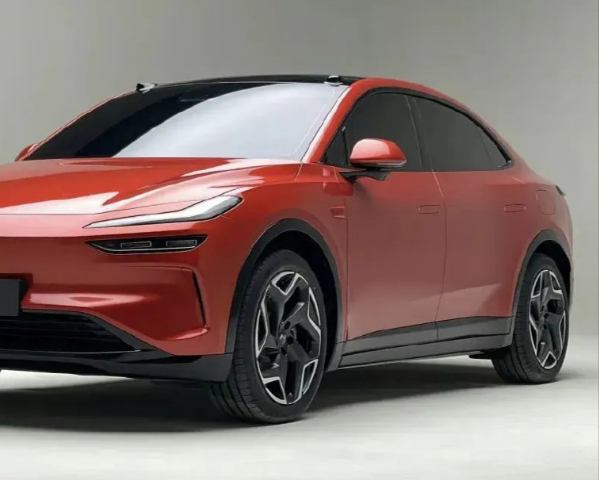
China has become one of the world’s most important vehicle export hubs, supplying both advanced electric vehicles and reliable internal combustion engine (ICE) models to global markets. For dealerships, fleet operators, vehicle distributors, and commercial importers, understanding the procurement process is essential for minimizing risk and maximizing profitability.
This FAQ addresses the most common questions raised by international buyers sourcing vehicles from China.
What Types of Vehicles Can Be Imported from China?
China’s export market extends far beyond electric vehicles.
Today, international buyers can source a broad range of vehicle categories, including:
Traditional Fuel Vehicles
Many overseas markets continue to rely heavily on gasoline SUVs, diesel commercial vehicles, and fuel-efficient passenger cars due to limited charging infrastructure and established maintenance networks.
Popular export categories include:
- Compact sedans
- Family SUVs
- Pickup trucks
- Commercial vans
- Fleet vehicles
New Energy Vehicles (NEVs)
China remains a global leader in electric mobility, offering:
- Battery Electric Vehicles (BEVs)
- Plug-in Hybrid Electric Vehicles (PHEVs)
- Extended-Range Electric Vehicles (EREVs)
- Hybrid Electric Vehicles (HEVs)
These vehicles often feature advanced driver assistance systems, intelligent cockpit technologies, and modern battery platforms.
For many dealerships, maintaining inventory across both fuel-powered and electric segments provides the greatest flexibility when responding to local market demand.
How Is Vehicle Condition Verified Before Export?
One of the biggest concerns for international buyers is transparency.
Since most vehicles are purchased remotely, accurate inspection procedures are critical.
Professional exporters should verify:
- Vehicle identification number (VIN)
- Actual mileage
- Ownership history
- Accident records
- Engine condition
- Transmission performance
- Structural integrity
For electric vehicles, additional diagnostics typically include:
- Battery State of Health (SOH)
- Battery Management System (BMS) data
- Charging history
- Fault code analysis
A detailed inspection report significantly reduces procurement risk and helps buyers make informed purchasing decisions.
Can Importers Purchase Small Quantities or Single Units?
Yes.
While many exporters support wholesale fleet purchases, modern supply-chain providers increasingly accommodate flexible procurement models.
Common purchasing structures include:
- Full dealership inventory orders
- Mixed vehicle containers
- Fleet replacement programs
- Pilot import projects
- Single-unit procurement requests
This flexibility allows importers to test market demand before committing to larger volumes.
For dealerships entering the Chinese vehicle market for the first time, smaller trial shipments can provide valuable operational experience while reducing financial exposure.
What Is the Standard Vehicle Export Process?
Although procedures vary by destination country, the typical export workflow includes several key stages.
Step 1: Vehicle Sourcing
Specific vehicles are identified according to buyer requirements, including brand, model, year, mileage, and budget.
Step 2: Inspection and Verification
Technical inspections confirm vehicle condition and specification accuracy.
Step 3: Domestic Deregistration
The vehicle must be legally removed from China’s domestic registration system before export.
Step 4: Customs Documentation
Export declarations, tax compliance documentation, and regulatory approvals are completed.
Step 5: International Shipping
Vehicles are shipped using:
- RoRo (Roll-on/Roll-off) vessels
- Container shipping
- Multi-vehicle consolidated cargo solutions
Step 6: Destination Customs Clearance
Import procedures are completed according to local regulations.
Understanding each phase helps buyers estimate lead times and overall project costs more accurately.
Are Spare Parts Available for Chinese Export Vehicles?
After-sales support is a critical consideration when importing vehicles.
For traditional fuel vehicles, many components are readily available through established global supply chains.
Commonly available parts include:
- Engine components
- Brake systems
- Suspension assemblies
- Filters
- Electrical systems
For newer EV brands, buyers should evaluate:
- Battery replacement availability
- Sensor supply chains
- ADAS component support
- Software update accessibility
Building reliable spare parts channels before importation can significantly improve long-term customer satisfaction and business sustainability.
How Do Charging Standards Affect Imported EVs?
Most Chinese domestic-market EVs use the GB/T charging standard.
However, many destination markets operate under:
- CCS1 (North America)
- CCS2 (Europe and many international markets)
- CHAdeMO (Japan)
Importers should verify charging compatibility before procurement.
Fortunately, certified adapter solutions are widely available for both AC and DC charging applications.
Additional considerations include:
- Public charging network compatibility
- Fast-charging capabilities
- Local electrical standards
- Certification requirements
Evaluating these factors before purchase helps avoid costly post-import modifications.
What Documents Are Usually Required for Vehicle Importation?
Required documentation varies by destination country but commonly includes:
- Commercial invoice
- Bill of lading
- Export declaration
- Vehicle registration cancellation certificate
- Vehicle inspection report
- Certificate of origin (when applicable)
Buyers should always verify local import regulations before placing orders to ensure compliance.
What Should Dealerships Consider Before Selecting Inventory?
Successful dealerships typically evaluate several factors beyond purchase price.
Important considerations include:
- Local consumer demand
- Fuel availability
- Charging infrastructure maturity
- Spare parts accessibility
- Regulatory compliance
- Resale value projections
- Total cost of ownership (TCO)
A balanced inventory strategy often combines electric vehicles and traditional fuel vehicles to serve multiple customer segments simultaneously.
How Can Businesses Begin Sourcing Vehicles from China?
The first step is defining operational requirements.
Buyers should determine:
- Target vehicle categories
- Preferred brands and models
- Quantity requirements
- Budget range
- Destination market regulations
Working with experienced vehicle sourcing companies that provide transparent inspections, logistics coordination, and export documentation can help reduce risk throughout the procurement process.
As China’s automotive export ecosystem continues to expand, businesses that establish reliable sourcing channels today will be better positioned to capitalize on growing global demand for both electric and conventional vehicles.