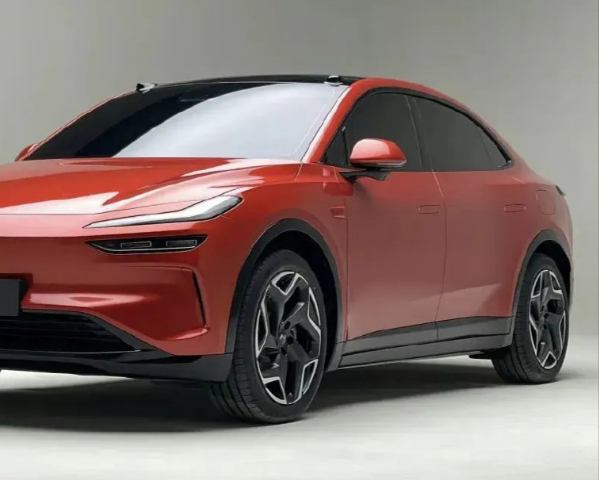
As global automotive supply chains continue to evolve, the international market for pre-owned vehicles is becoming increasingly diverse. China, now firmly established as the world’s largest vehicle producer and one of the fastest-growing automotive exporters, is supplying both electric and conventional vehicles to buyers across multiple continents.
While media coverage often centers on the rapid growth of electric mobility, actual purchasing behavior across international markets tells a more complex story. Demand is no longer driven by a single technology pathway. Instead, successful exporters are responding to two parallel opportunities: the rising adoption of Used Electric Vehicles (EVs) and the persistent demand for reliable Internal Combustion Engine (ICE) Vehicles.
For dealerships, fleet operators, automotive traders, and individual importers, understanding these evolving market dynamics is essential for making informed sourcing decisions in 2026 and beyond.
The Continued Expansion of Used Electric Vehicle Exports
The global market for Used Electric Vehicles (EVs) continues to gain momentum as battery technology matures and more late-model vehicles enter secondary markets through lease returns, trade-ins, and fleet replacement programs.
Several factors are driving this growth.
First, modern Chinese EV manufacturers have significantly improved battery durability and energy efficiency. Vehicles equipped with Lithium Iron Phosphate (LFP) Batteries are particularly attractive to international buyers due to their excellent thermal stability, lower degradation rates, and long service life.
In regions where governments actively promote low-emission transportation or provide incentives for electric mobility, imported EVs offer an affordable alternative to purchasing new vehicles.
Additionally, many Chinese EVs deliver a compelling combination of technology and value. Features that were once limited to premium vehicles—including advanced infotainment systems, intelligent cockpit designs, Advanced Driver Assistance Systems (ADAS), and cloud-connected services—are now commonly available in mid-market models.
However, successful EV sourcing requires careful due diligence. Buyers should verify:
- Battery State of Health (SOH)
- Charging system compatibility
- Software localization capabilities
- Availability of future firmware updates
- Local service and maintenance support
Particular attention should be paid to adapting China’s GB/T charging interface to regional standards such as CCS2 or Type 2, depending on the destination market.
Why Traditional Fuel Vehicles Remain a Core Export Segment
Despite the acceleration of electrification, Internal Combustion Engine (ICE) Vehicles remain one of the most important segments within global automotive trade.
In many regions, practical realities continue to outweigh long-term electrification goals.
Large portions of Africa, South America, Central Asia, Southeast Asia, and parts of the Middle East still face limitations in charging infrastructure development. Even where EV adoption is increasing, public charging networks often remain concentrated in major metropolitan areas.
For many consumers and commercial operators, vehicle ownership decisions prioritize:
- Reliability
- Ease of repair
- Parts availability
- Fuel accessibility
- Proven long-distance performance
These factors continue to favor traditional gasoline and diesel-powered vehicles.
Well-established sedans, pickup trucks, SUVs, and commercial utility vehicles with conventional powertrains remain highly desirable because they can be maintained by local workshops without specialized diagnostic equipment or high-voltage certification.
From an export perspective, this sustained demand demonstrates that ICE vehicles are not disappearing from international trade. Instead, they continue to serve as an essential mobility solution across developing and infrastructure-constrained markets.
A successful export portfolio increasingly combines both electric and traditional vehicle offerings rather than relying exclusively on one category.
The Growing Influence of Individual Cross-Border Buyers
Historically, international vehicle trading was dominated by large-scale Business-to-Business (B2B) transactions involving dealerships, fleet operators, and institutional buyers.
Over the past several years, however, digital transformation has significantly lowered barriers to entry.
The rise of online vehicle marketplaces, digital payment systems, remote inspection technologies, and international logistics platforms has accelerated the growth of the Business-to-Consumer (B2C) export model.
Today, individual buyers represent an increasingly important segment of cross-border vehicle demand.
Unlike corporate fleet purchases, individual buyers often focus on specific vehicle requirements, such as:
- Family-oriented plug-in hybrid SUVs
- Luxury sedans
- Performance-oriented EVs
- Off-road vehicles
- Specialty models unavailable in their domestic markets
These customers typically expect greater transparency throughout the purchasing process.
As a result, exporters seeking to serve this segment must provide:
- Detailed inspection reports
- High-quality vehicle photography
- Verified maintenance histories
- Transparent pricing structures
- Clear shipping and import guidance
Building trust has become just as important as vehicle sourcing itself.
Quality Assurance and Export Compliance Remain Critical
Regardless of whether a buyer chooses a battery-electric vehicle, plug-in hybrid, or conventional fuel-powered model, successful international transactions depend on comprehensive quality control and regulatory compliance.
Vehicle Deregistration and Ownership Verification
Prior to export, all vehicles should undergo a thorough legal review to ensure:
- Proper deregistration procedures have been completed
- Ownership documentation is valid
- No outstanding liens or financial claims exist
- Export eligibility requirements have been satisfied
Transparent documentation significantly reduces customs-related complications.
Comprehensive Third-Party Inspections
Independent inspections remain one of the most effective methods for reducing transaction risk.
A professional inspection should evaluate:
- Structural integrity
- Mechanical condition
- Paint consistency
- Suspension performance
- Electrical systems
- Diagnostic fault codes
- Battery health for EVs and PHEVs
Third-party verification provides buyers with greater confidence, particularly when purchasing remotely.
Customs and Regulatory Compliance
Vehicle import regulations vary significantly across jurisdictions.
Exporters and importers must consider:
- Customs duties
- Environmental compliance standards
- Safety certifications
- Vehicle age restrictions
- Registration requirements
Understanding these regulations before shipment can help avoid costly delays at destination ports.
Optimizing International Logistics
Shipping strategy directly influences both cost and delivery timelines.
The two most common transportation methods include:
- Roll-on/Roll-off (RoRo) Shipping
- Container Vehicle Shipping
RoRo remains a cost-effective solution for operational vehicles, while containerized transport offers enhanced protection and flexibility for high-value or multi-vehicle shipments.
Selecting the appropriate logistics model depends on vehicle type, destination, and budget considerations.
Market Outlook for 2026 and Beyond
The assumption that electric vehicles will rapidly replace traditional fuel vehicles across every market does not accurately reflect global demand patterns.
The reality is considerably more nuanced.
Infrastructure readiness, energy availability, consumer purchasing power, and regional transportation needs vary widely from country to country. As a result, both EVs and ICE vehicles continue to occupy important positions within international automotive trade.
For exporters, dealerships, and importers, long-term success will depend on recognizing these parallel opportunities rather than viewing them as competing alternatives.
While electric vehicles continue to attract technology-focused buyers and environmentally conscious consumers, conventional fuel vehicles remain indispensable in regions where practicality and infrastructure constraints drive purchasing decisions.
Our platform is dedicated to providing in-depth industry analysis, market intelligence, and technical resources covering the rapidly evolving automotive sector. At the same time, we maintain direct access to export-ready inventory, enabling buyers to move seamlessly from market research to vehicle sourcing. Whether your focus is a late-model EV, a plug-in hybrid, or a dependable traditional fuel vehicle, combining accurate information with trusted supply channels can significantly improve procurement outcomes.