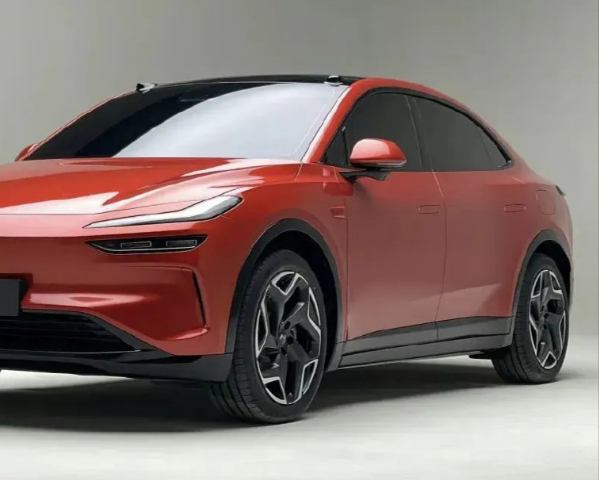
Importing a vehicle from overseas involves more than simply selecting a model and arranging transportation. Buyers must consider vehicle condition, export regulations, documentation requirements, logistics options, and long-term ownership costs.
To help international dealerships, fleet operators, and individual buyers better understand the process, we’ve compiled answers to some of the most common questions regarding sourcing used vehicles from China.
Q1: Can individual buyers purchase vehicles, or is the service limited to commercial importers?
Both individual buyers and commercial clients can source vehicles through our export network.
While large-volume dealership orders remain an important part of international automotive trade, demand from private buyers has grown significantly in recent years. Many customers are searching for specific vehicle configurations, premium models, plug-in hybrids, or specialty vehicles that may be difficult to find—or considerably more expensive—in their local markets.
To accommodate different purchasing needs, we provide:
- Detailed vehicle condition reports
- Transparent pricing structures
- Export documentation assistance
- Logistics coordination
- Pre-shipment inspection support
Whether purchasing a single vehicle or managing a larger fleet acquisition, buyers receive access to the same sourcing and export infrastructure.
Q2: Do you only export electric vehicles?
No.
Although our platform focuses heavily on developments within the electric mobility sector, we actively source and export both Electric Vehicles (EVs) and Internal Combustion Engine (ICE) Vehicles.
Global vehicle demand varies significantly depending on local infrastructure, fuel availability, and transportation requirements.
In many regions, including parts of Africa, South America, Central Asia, and the Middle East, traditional fuel vehicles continue to represent the most practical transportation solution due to established maintenance networks and limited charging infrastructure.
As a result, our sourcing capabilities include:
- Battery Electric Vehicles (BEVs)
- Plug-in Hybrid Electric Vehicles (PHEVs)
- Extended-Range Electric Vehicles (EREVs)
- Gasoline-powered passenger vehicles
- Diesel commercial vehicles
- SUVs and off-road vehicles
A balanced inventory allows buyers to select vehicles that align with regional market conditions rather than following a one-size-fits-all approach.
Q3: How is vehicle quality verified before export?
Every vehicle undergoes a structured inspection process before shipment.
For Used Electric Vehicles, inspections typically include:
- Battery State of Health (SOH) analysis
- High-voltage system diagnostics
- Thermal management system verification
- Charging system testing
- Battery enclosure inspection
For Traditional Fuel Vehicles, assessments generally focus on:
- Engine performance
- Transmission operation
- Suspension condition
- Emissions compliance
- Fluid and maintenance records
In addition to powertrain-specific evaluations, all vehicles receive comprehensive inspections covering:
- Structural integrity
- Paint thickness measurements
- Accident history indicators
- Brake performance
- Safety systems
- Electronic component functionality
Independent third-party inspection reports can also be provided prior to final purchase approval.
Q4: Can Chinese EV charging systems be used internationally?
Yes.
Most vehicles manufactured for China’s domestic market use the GB/T Charging Standard for both AC and DC charging.
For international deployment, compatible charging solutions are widely available.
Depending on the destination market, buyers commonly utilize:
- GB/T to CCS2 adapters
- GB/T to Type 2 adapters
- Region-specific charging conversion solutions
Before export, buyers should verify local charging infrastructure compatibility and confirm whether any additional hardware modifications are required.
Proper planning helps ensure seamless integration with local charging networks after importation.
Q5: What export documentation is provided?
The export process requires extensive documentation to ensure legal ownership transfer and customs compliance.
Typical export documentation includes:
- Vehicle deregistration certificates
- Export declarations
- Commercial invoices
- Packing lists
- Vehicle inspection reports
- Bill of Lading (B/L)
- Ownership verification records
Our team manages the domestic export procedures and coordinates the preparation of all required shipping documentation.
Upon arrival, import customs clearance, tax payments, and vehicle registration are generally handled by the buyer or their designated customs broker within the destination country.
Q6: What shipping methods are available for single-vehicle purchases?
International vehicle transportation is typically arranged using one of two methods.
Roll-on/Roll-off (RoRo) Shipping
RoRo shipping is often the most economical option for operational vehicles.
The vehicle is driven directly onto a specialized vessel, secured during transit, and driven off upon arrival at the destination port.
Advantages include:
- Lower transportation costs
- Faster loading procedures
- Suitable for most passenger vehicles
Container Vehicle Shipping
Containerized transport is commonly selected for:
- Luxury vehicles
- High-value inventory
- Specialty vehicles
- Multi-vehicle shipments
Containers provide additional protection from environmental exposure during ocean transport and may offer greater flexibility for certain destinations.
Final Thoughts
Successfully importing a vehicle requires more than locating an attractive purchase price. Buyers should evaluate vehicle condition, logistics planning, regulatory compliance, and long-term operational suitability before making a purchasing decision.
Whether sourcing a modern EV, a plug-in hybrid, or a dependable traditional fuel vehicle, access to transparent inspection data and reliable export support can significantly reduce risk throughout the transaction process.
Our platform is dedicated to providing automotive market insights, industry analysis, and educational resources for international buyers. For those ready to move beyond research and begin sourcing vehicles, we also maintain access to export-ready inventory and comprehensive supply chain support designed to simplify cross-border procurement.