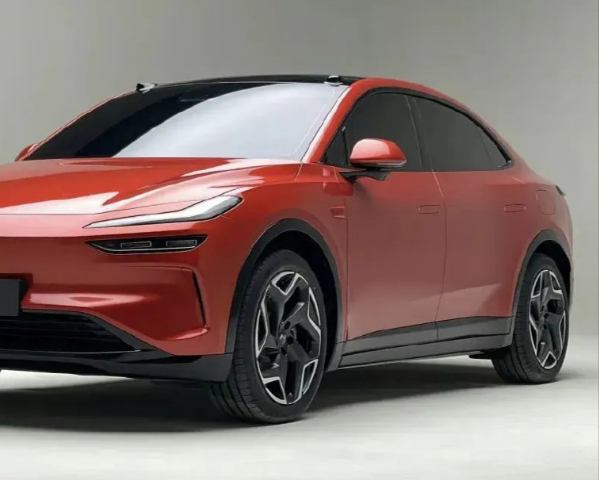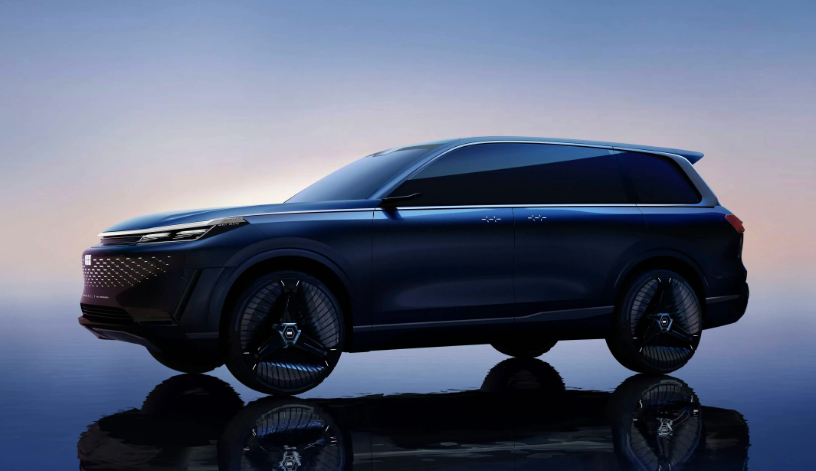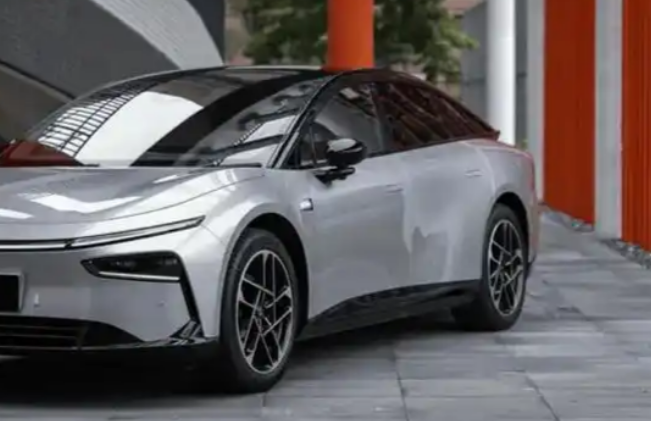
As global demand for Chinese used vehicle exports continues to grow, international buyers are paying closer attention to vehicle inspection standards, export compliance procedures, shipping methods, and transaction security. Whether you are a dealership expanding inventory, a fleet operator sourcing replacement vehicles, or an independent importer entering a new market, understanding the export process can significantly reduce operational risk.
China’s automotive market has become one of the world’s largest sources of both electric and traditional fuel-powered vehicles. As a result, buyers from Africa, the Middle East, Central Asia, Latin America, and Eastern Europe increasingly source inventory directly from China to access a wider selection of vehicles and competitive pricing.
The following FAQ addresses some of the most common questions raised by international buyers during the procurement process.
1. How is vehicle condition verified before export?
A professional inspection process is one of the most important steps when sourcing used cars from China. Reliable exporters do not rely solely on photographs or seller descriptions.
Every vehicle should undergo a comprehensive technical evaluation before being approved for export.
For electric vehicles, inspectors typically review:
- Battery State of Health (SOH)
- Battery charging history
- Battery Management System (BMS) data
- Module voltage consistency
- Structural condition of the battery enclosure
- Diagnostic fault codes
The resulting EV battery health report provides buyers with a clearer understanding of battery performance and remaining service life.
For traditional fuel vehicles, inspections generally include:
- Engine diagnostics
- Compression testing
- Transmission performance
- Chassis and frame integrity
- Suspension condition
- Brake system evaluation
- Accident history verification
A complete vehicle inspection report helps buyers make informed purchasing decisions before committing funds.
2. Do you only export electric vehicles?
Not necessarily.
Many companies operating in the Chinese export sector initially focused on electric vehicles because of growing international demand. However, most established exporters now maintain supply chains covering both EVs and Internal Combustion Engine (ICE) vehicles.
Depending on destination market requirements, buyers may source:
- Electric sedans
- Electric SUVs
- Hybrid vehicles
- Gasoline-powered sedans
- Diesel SUVs
- Pickup trucks
- Commercial vehicles
Market conditions often determine the most suitable vehicle category.
In regions where charging infrastructure remains limited, traditional fuel-powered vehicles continue to represent the majority of demand. In contrast, countries with supportive EV policies and expanding charging networks often demonstrate stronger interest in imported electric vehicles.
A diversified inventory allows buyers to align procurement strategies with local market demand rather than following a single powertrain trend.
3. What shipping methods are commonly used for vehicle exports?
The international Chinese vehicle export process generally utilizes two primary shipping methods.
Ro-Ro Shipping
Ro-Ro shipping (Roll-on/Roll-off) allows vehicles to be driven directly onto specialized carrier vessels.
Advantages include:
- Lower handling requirements
- Faster loading procedures
- Competitive freight costs
- Suitable for large-volume orders
Ro-Ro transport is frequently used for:
- Sedans
- SUVs
- Fleet purchases
- Wholesale dealership orders
Container Shipping
Containerized shipping secures vehicles inside shipping containers before ocean transport.
Advantages include:
- Additional protection during transit
- Flexible routing options
- Suitable for smaller orders
- Better protection for premium vehicles
Container shipping is commonly selected for:
- Small dealership orders
- High-value vehicles
- Destinations with limited Ro-Ro infrastructure
When exporting EVs, shipping lines typically require battery State of Charge (SOC) levels to remain between 20% and 50% to comply with international maritime safety regulations.
4. What payment methods are typically used in B2B transactions?
International vehicle procurement generally follows standardized trade practices designed to protect both buyers and sellers.
The most common payment method is Telegraphic Transfer (T/T).
A typical structure may include:
- 30% deposit after vehicle confirmation
- Export preparation and shipping booking
- Balance payment before document release
Required documentation usually includes:
- Commercial Invoice
- Packing List
- Bill of Lading
- Export Declaration
- Vehicle Registration Cancellation Documents
For larger institutional purchases, buyers may also utilize:
- Letter of Credit (L/C)
- Documentary Collection
- Escrow arrangements (where available)
Clear documentation and transparent payment procedures remain critical components of a secure transaction.
5. How are language settings and software localization handled?
Many vehicles produced for the Chinese domestic market are originally configured with Chinese-language interfaces.
Depending on the manufacturer and model, localization services may include:
- English language conversion
- Regional language installation
- Navigation system updates
- Multimedia system configuration
- Compatibility testing
Certain models support software updates directly through factory systems, while others may require aftermarket modifications.
Before shipment, buyers should confirm:
- Available language options
- Navigation compatibility
- Mobile connectivity features
- OTA update availability
- Regional software restrictions
Clarifying these items before purchase helps avoid unexpected costs after importation.
6. Which Incoterms are commonly offered?
Most exporters support internationally recognized trade terms.
FOB (Free on Board)
Under FOB arrangements, the exporter manages:
- Domestic transportation
- Port handling
- Customs clearance
- Vessel loading
Responsibility transfers to the buyer once the vehicle is loaded onto the vessel.
CIF (Cost, Insurance and Freight)
Under CIF vehicle export arrangements, the exporter additionally manages:
- Ocean freight booking
- Cargo insurance
- Delivery to the destination port
Many first-time importers prefer CIF because it simplifies logistics management.
The appropriate option depends on the buyer’s experience, local logistics network, and preferred level of operational control.
Final Thoughts
The global market for Chinese used vehicle exports continues to evolve as buyers seek cost-effective sourcing opportunities and broader inventory access. Successful procurement depends on more than vehicle pricing alone. Inspection standards, export documentation, shipping methods, software compatibility, and payment security all play essential roles in reducing risk and improving long-term outcomes.
For buyers evaluating either electric vehicles or traditional fuel-powered models, obtaining accurate technical data and working with transparent supply chain partners remains one of the most effective ways to improve procurement efficiency and predictability.