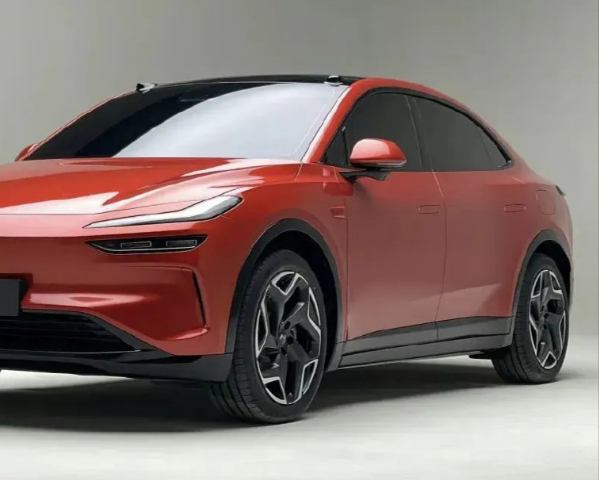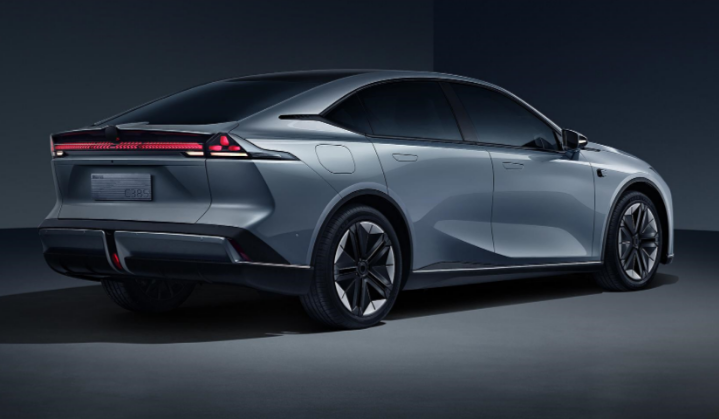
The international market for used Chinese vehicles continues to expand as distributors, dealerships, and fleet operators search for cost-effective inventory sources. While electric vehicles often dominate industry headlines, traditional fuel-powered vehicles remain a significant part of global demand.
For professional buyers, the key question is no longer whether to source electric or combustion vehicles from China. The real opportunity lies in understanding how different depreciation patterns create export margins in specific regional markets.
Why China’s Domestic Market Creates Export Opportunities
China’s automotive sector is one of the most competitive vehicle markets in the world. New model launches occur at a rapid pace, and manufacturers frequently introduce upgraded versions with improved technology while maintaining aggressive pricing.
As a result, vehicles between one and three years old often experience accelerated depreciation compared with many overseas markets.
For exporters, this creates a favorable sourcing environment:
- Lower acquisition costs
- High-quality vehicle inventory
- Strong availability of late-model units
- Potential resale premiums in overseas markets
This price gap is the foundation of many successful vehicle export operations.
Understanding Residual Value in EVs and ICE Vehicles
A vehicle’s residual value directly influences its export profitability.
Although both powertrains depreciate over time, they do so for very different reasons.
Residual Value Trends for Chinese EVs
The resale value of used Chinese EVs is heavily influenced by technological innovation.
Battery improvements, software upgrades, autonomous driving features, and charging technology evolve rapidly. Consequently, newer EV generations can place downward pressure on the value of earlier models.
In many cases, a two-year-old electric vehicle may sell for only 40–50% of its original retail price within the Chinese market.
For international buyers, however, this depreciation often creates attractive entry points.
Advantages include:
- Lower purchase prices
- Competitive operating costs
- Reduced fuel dependency
- Growing consumer demand for affordable EVs
Markets with supportive EV policies frequently view these vehicles as a low-cost path toward transportation electrification.
Residual Value Trends for ICE Vehicles
Used ICE vehicles generally follow a more predictable depreciation pattern.
Because internal combustion technology has matured over decades, annual value loss is typically driven by factors such as:
- Vehicle age
- Mileage
- Maintenance history
- Brand reputation
- Mechanical condition
This stability makes procurement planning easier for distributors and fleet operators.
Many buyers appreciate the reduced uncertainty associated with traditional powertrains, particularly in regions where electric vehicle infrastructure remains limited.
Choosing the Right Vehicle Type for Your Market
Successful importers align procurement decisions with local infrastructure realities rather than global trends.
Markets That Continue to Favor ICE Vehicles
Many developing economies still rely heavily on conventional transportation systems.
In parts of the Middle East, Africa, Central Asia, and Latin America, fuel-powered vehicles remain the practical choice because of:
- Established refueling networks
- Familiar maintenance procedures
- Readily available spare parts
- Long-distance operating flexibility
For commercial fleets, taxis, and logistics providers, these factors often outweigh the benefits of electrification.
Markets That Favor Imported EVs
In contrast, some countries are rapidly investing in charging infrastructure and emissions reduction initiatives.
These markets often benefit from importing pre-owned Chinese EVs because buyers gain access to:
- Modern vehicle technology
- Lower acquisition costs
- Reduced operating expenses
- Compliance with environmental regulations
As charging networks expand, demand for affordable used EVs is expected to increase.
Comparing Export Opportunities
| Factor | Used Chinese EVs | Used ICE Vehicles |
|---|---|---|
| Initial Depreciation | Faster | More gradual |
| Main Value Driver | Technology cycle | Age and mileage |
| Infrastructure Requirements | Charging network | Fuel network |
| Maintenance Focus | Battery and software | Mechanical systems |
| Export Market Growth | Expanding rapidly | Stable and consistent |
Neither category is universally superior. Profitability depends largely on destination market conditions.
The Importance of Vehicle Inspection Before Export
Regardless of powertrain type, professional inspection remains essential.
For ICE vehicles, buyers typically review:
- Engine compression
- Transmission performance
- Suspension condition
- Emissions compliance
- Maintenance history
For EVs, inspections focus on:
- Battery State of Health (SOH)
- Battery module consistency
- Charging performance
- Thermal management systems
- Software functionality
Reliable inspection reports help reduce procurement risk and improve inventory quality.
A Dual-Track Export Strategy for 2026
Current market conditions suggest that successful exporters should avoid relying exclusively on a single vehicle category.
Many procurement teams are adopting a diversified approach that combines:
- Affordable, high-volume ICE inventory for infrastructure-limited markets
- Competitive used EV inventory for regions pursuing electrification
This strategy allows importers to respond more effectively to regional demand while reducing exposure to shifts in technology or regulation.
As the global automotive industry continues to evolve, both Chinese EV exports and traditional fuel-powered vehicles are expected to play important roles in international trade. Companies that understand residual value trends, infrastructure readiness, and local market demand will be better positioned to identify sustainable arbitrage opportunities and maintain healthy profit margins.