Chinese Used Vehicle Exports Continue to Expand in 2026
The global used vehicle trade is entering a new phase. In 2026, China has become one of the most important sourcing hubs for both electric vehicles (EVs) and conventional fuel-powered vehicles. Driven by rapid domestic vehicle replacement cycles, millions of relatively young vehicles are entering the secondary market, creating new opportunities for overseas dealerships, fleet operators, and individual importers.
Unlike many traditional used-car markets, China’s vehicle ecosystem offers buyers access to high-specification models with advanced driver assistance systems, large battery capacities, and competitive pricing. As a result, international demand for Chinese used vehicles continues to increase across Southeast Asia, the Middle East, Africa, Eastern Europe, and Latin America.
For buyers evaluating this market, two categories dominate export inquiries:
- Battery-electric and extended-range electric vehicles (EVs and EREVs)
- Traditional internal combustion engine (ICE) vehicles
Each category addresses different infrastructure realities, operating costs, and consumer preferences.
Why Used Chinese EVs Are Attracting Global Buyers
Electric vehicle exports now represent a significant portion of China’s used-car trade. However, experienced importers understand that purchasing a used EV requires more than simply comparing mileage and price.
The most important evaluation factors include:
- Battery State of Health (SOH)
- Battery thermal management performance
- Fast-charging capability
- Software stability
- Long-term parts availability
These metrics often have a greater impact on ownership costs than vehicle age alone.
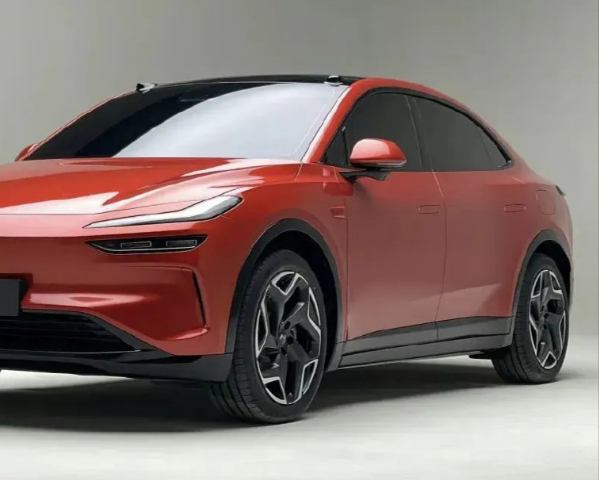
NIO ES6: A Popular Premium Electric SUV
Among exported Chinese EVs, the NIO ES6 remains one of the most frequently requested models.
Built on a lightweight aluminum-intensive architecture, the ES6 combines strong performance with practical daily usability. Most vehicles available in the export market are equipped with either:
- 75 kWh LFP battery packs
- 100 kWh NCM battery packs
A major advantage of the ES6 is its advanced battery thermal management system. Proper temperature regulation helps maintain charging efficiency and battery longevity, especially in regions experiencing extremely hot summers or cold winters.
For international buyers, battery condition verification remains essential. Reviewing Battery State of Health (SOH) records and battery diagnostic reports before shipment can significantly reduce future ownership risks.
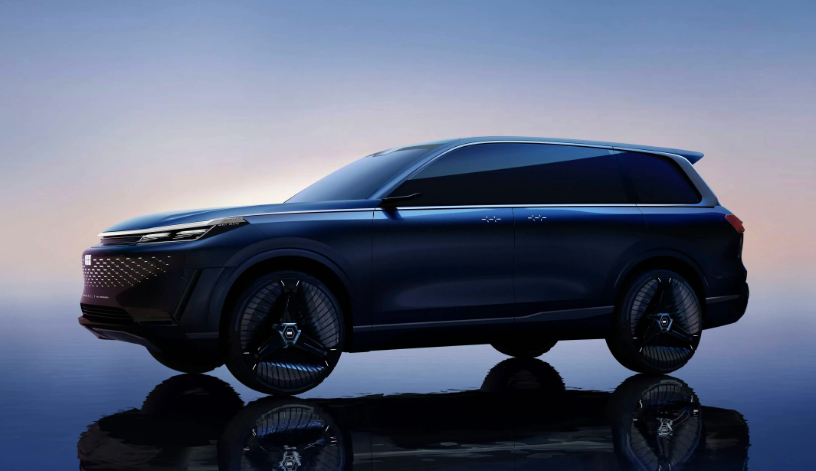
Li Auto L9: The Rise of Extended-Range Electric Vehicles
Not every market has a mature charging infrastructure. This reality has fueled strong demand for extended-range electric vehicles (EREVs).
The Li Auto L9 has become one of the most successful examples of this technology.
Instead of relying entirely on charging stations, the vehicle combines:
- A large battery pack
- Dual electric motors
- A 1.5-liter turbocharged range extender
The gasoline engine generates electricity when needed but does not directly power the wheels.
This architecture allows drivers to enjoy electric driving in urban environments while maintaining long-distance flexibility in regions where charging networks remain limited. For many emerging markets, the L9 serves as a practical bridge between traditional gasoline vehicles and full EV adoption.
ICE Vehicles Remain a Major Export Category
Although global headlines frequently focus on electric mobility, conventional fuel-powered vehicles continue to represent a large share of Chinese used-vehicle exports.
Many overseas buyers prioritize:
- Proven reliability
- Simple maintenance procedures
- Readily available spare parts
- Immediate usability without charging infrastructure
For these customers, modern ICE platforms remain highly attractive.
Geely Monjaro: Performance and Practicality Combined
The Geely Monjaro, known domestically as the Xingyue L, has established a strong reputation among export buyers seeking a premium SUV experience.
Built on the CMA platform, the vehicle is commonly equipped with a turbocharged 2.0-liter engine producing approximately 238 horsepower.
Several factors contribute to its export popularity:
- Aisin 8-speed automatic transmission
- BorgWarner all-wheel-drive system
- High-strength body structure
- Competitive ownership costs
For dealerships importing inventory into developing markets, the Monjaro often represents an appealing balance between technology, durability, and affordability.
Toyota Highlander: A Globally Recognized Choice
Another strong performer in the export market is the Chinese-manufactured Toyota Highlander Hybrid.
Many importers view the Highlander as a low-risk acquisition because of Toyota’s established reputation for long-term reliability and strong resale value.
The hybrid powertrain combines:
- A 2.5-liter Atkinson-cycle engine
- Electric motor assistance
- Excellent fuel efficiency
Equally important, replacement parts and service expertise are widely available in most global markets, simplifying long-term ownership and fleet management.
Vehicle Inspection Standards Are Becoming More Sophisticated
As international buyers become more experienced, pre-export inspections have evolved from basic visual checks to comprehensive technical assessments.
For electric vehicles, inspectors typically evaluate:
- Battery State of Health (SOH)
- Battery cell consistency
- Charging performance
- Battery Management System (BMS) records
For conventional vehicles, inspections often include:
- Engine compression testing
- Transmission diagnostics
- Suspension evaluation
- Emissions-system verification
A transparent inspection process not only reduces risk but also improves buyer confidence throughout the international procurement cycle.
Logistics and International Delivery Continue to Improve
Vehicle export logistics have become significantly more efficient in recent years.
Depending on destination markets, exporters commonly utilize:
- Roll-on/Roll-off (Ro-Ro) shipping
- Containerized vehicle transport
- Dedicated battery-compliant shipping procedures
These logistics improvements help reduce transit times while protecting high-value electric and hybrid vehicles during international transportation.
Strategic Vehicle Sourcing in 2026
The most successful importers in 2026 are not focusing exclusively on either EVs or traditional fuel-powered vehicles. Instead, they are building diversified inventories that reflect local infrastructure conditions and consumer demand.
Premium electric SUVs such as the NIO ES6 and Li Auto L9 continue to gain traction in markets embracing electrification. At the same time, proven ICE platforms like the Geely Monjaro and Toyota Highlander remain essential for regions prioritizing reliability and serviceability.
For both B2B dealerships and individual buyers, successful sourcing begins with accurate vehicle inspections, transparent supply chains, and a clear understanding of local market requirements. Evaluating battery health, mechanical condition, logistics options, and after-sales support remains the foundation of profitable cross-border vehicle procurement.