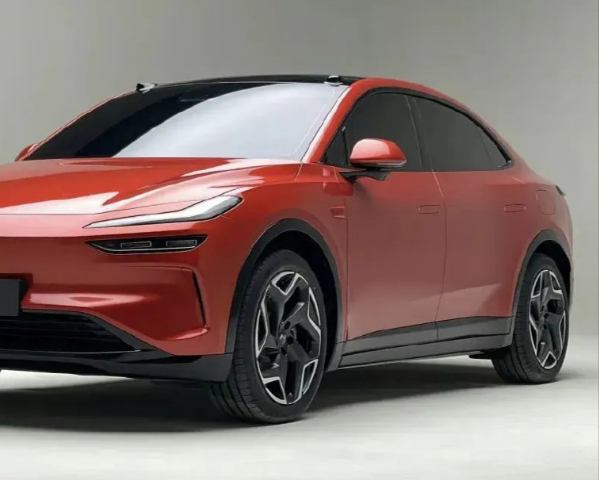
Frequently Asked Questions: A Guide for Individual Buyers Sourcing Used ICE and Electric Cars from China
Importing a vehicle from overseas can seem overwhelming for first-time buyers. Questions about vehicle quality, shipping arrangements, customs requirements, and long-term ownership costs are common among consumers considering the Chinese used vehicle market.
As China’s used vehicle export industry continues to grow, individual buyers now have access to a wider selection of late-model vehicles than ever before. Whether you’re interested in a fuel-powered SUV, a family sedan, or a modern electric vehicle, understanding the process before making a purchase can help reduce risks and avoid costly mistakes.
This FAQ provides practical answers to some of the most common questions asked by personal buyers sourcing vehicles from China.
Can Individual Buyers Import Used Cars from China?
Are only electric vehicles available for export?
No.
Although electric vehicles receive significant international attention, traditional fuel-powered vehicles remain a major segment of China’s export inventory.
Today, buyers can find a wide range of Used Cars from China, including:
- Gasoline sedans
- SUVs
- MPVs
- Pickup trucks
- Hybrid vehicles
- Electric vehicles
Many of these vehicles have been privately owned, regularly maintained, and are available at competitive prices due to rapid depreciation in the domestic market.
Should I choose an ICE vehicle or an EV?
The answer depends largely on your local infrastructure and driving habits.
A traditional fuel-powered vehicle may be the better choice if:
- Charging stations are limited in your area
- You frequently travel long distances
- Local mechanics primarily service gasoline vehicles
- Spare parts availability is important
An electric vehicle may be a good option if:
- You have access to reliable charging facilities
- Most driving takes place in urban areas
- Reducing fuel expenses is a priority
- Environmental considerations influence your purchasing decision
For many overseas buyers, reliability and local service support remain the most important factors when selecting a vehicle.
How Can I Verify Vehicle Condition Before Purchase?
How do I know the vehicle is in good condition?
Professional exporters typically provide a comprehensive Independent Vehicle Inspection before a vehicle is approved for export.
These inspections often include:
- Exterior condition assessment
- Interior wear evaluation
- Chassis examination
- Undercarriage inspection
- Mechanical diagnostics
- Accident history review
Buyers should always request detailed inspection reports and recent photographs before committing to a purchase.
How are electric vehicles inspected?
Electric vehicles require additional technical evaluations compared to conventional cars.
A proper inspection should review:
- Battery State of Health (SOH)
- Battery charging history
- Battery cycle count
- Cell voltage consistency
- Diagnostic fault records
- Cooling system performance
Battery health is often a more important indicator of an EV’s condition than mileage alone.
Is vehicle mileage verified?
Yes.
Mileage is typically cross-checked using available data sources such as:
- Registration records
- Maintenance histories
- Insurance records
- Electronic control unit (ECU) data
- Vehicle diagnostic systems
Reputable exporters prioritize vehicles with transparent and verifiable histories.
What Shipping Options Are Available?
What is RoRo shipping?
RoRo Shipping (Roll-on/Roll-off) involves driving the vehicle directly onto a specialized cargo vessel designed for transporting automobiles.
Advantages include:
- Lower freight costs
- Faster loading procedures
- Suitable for standard passenger vehicles
- Widely available international routes
For many individual buyers, RoRo remains the most economical transportation method.
What is container shipping?
Container Shipping involves securing the vehicle inside a sealed shipping container before ocean transport.
Benefits include:
- Additional protection during transit
- Increased cargo security
- Reduced exposure to weather and handling risks
- Suitable for premium or high-value vehicles
Many buyers importing luxury models or multiple vehicles prefer container shipping despite the higher transportation costs.
| Shipping Method | Cost Level | Protection Level | Best For |
|---|---|---|---|
| RoRo Shipping | Lower | Standard | Sedans, SUVs, standard passenger vehicles |
| Container Shipping | Higher | Enhanced | Premium vehicles, collector vehicles, multi-unit orders |
How long does shipping usually take?
Transit times vary depending on the destination port.
Typical shipping estimates include:
- Middle East: 15–30 days
- Central Asia: 15–25 days
- Africa: 25–40 days
- Europe: 30–45 days
- South America: 35–60 days
Weather conditions, customs processing, and port congestion may affect final delivery schedules.
What Documents Are Required for Importing a Vehicle?
What paperwork will I receive?
A professional export transaction generally includes:
- Bill of Lading (B/L)
- Commercial Invoice
- Packing List
- Certificate of Origin
- Export Declaration Documents
- Vehicle Deregistration Certificate
These documents are usually required for customs clearance and local registration procedures.
Do I need to check local regulations before buying?
Absolutely.
Every country has different Vehicle Import Regulations, and buyers should verify local requirements before making a purchase.
Common requirements may include:
- Vehicle age restrictions
- Emissions compliance standards
- Safety certification requirements
- Registration eligibility
- Import duties and taxes
Checking these regulations beforehand can help prevent unexpected costs and registration issues after the vehicle arrives.
How Much Does It Cost to Import a Vehicle?
Is the vehicle price the only expense?
No.
The total landed cost usually includes:
- Vehicle purchase price
- Export processing fees
- Ocean freight charges
- Marine insurance
- Import duties
- VAT or GST
- Port handling fees
- Registration expenses
Many first-time buyers underestimate these additional costs, so calculating the complete budget beforehand is essential.
Are imported vehicles from China good value?
In many markets, yes.
China’s large inventory of relatively modern vehicles often allows overseas buyers to access newer models at prices lower than those available in their domestic markets.
However, overall value depends on:
- Shipping distance
- Local taxes
- Vehicle condition
- Maintenance requirements
- Future resale potential
A lower purchase price alone should not determine the buying decision.
How Do I Begin the Buying Process?
What should I do first?
A successful import starts with preparation.
Before selecting a vehicle, buyers should:
- Determine their transportation needs.
- Establish a realistic budget.
- Research local import requirements.
- Compare available vehicle options.
- Review inspection reports carefully.
- Calculate total import costs.
- Confirm shipping arrangements.
Taking these steps early can significantly reduce purchasing risks and improve the overall importing experience.
Conclusion
Importing a used vehicle from China has become increasingly accessible for individual buyers around the world. Whether you are looking for a dependable gasoline-powered vehicle or a modern electric model, success depends on careful research, transparent inspection data, and a clear understanding of local regulations.
By focusing on verified vehicle condition, realistic ownership costs, and trustworthy export partners, buyers can confidently navigate the international vehicle market and identify vehicles that provide long-term value, reliability, and everyday practicality.