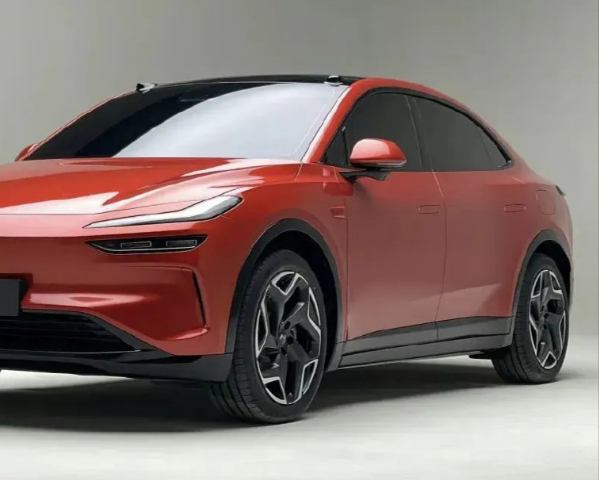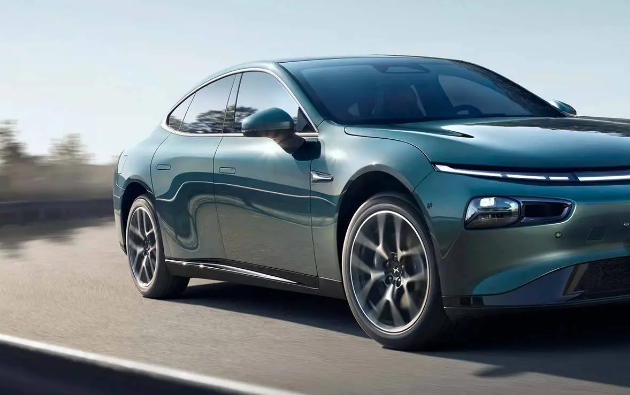
The global automotive trade landscape continues to shift rapidly in 2026, and China’s used vehicle export sector has become one of the most active sources of inventory for international buyers. As vehicle replacement cycles accelerate and domestic consumers upgrade more frequently, a growing number of high-quality pre-owned vehicles are entering the export market
From large-scale dealerships and fleet operators to independent buyers seeking cost-effective transportation solutions, demand for Chinese used vehicles is expanding across multiple regions. The market is no longer limited to electric vehicles alone. Instead, successful importers are increasingly recognizing the value of both battery electric vehicles (BEVs) and conventional internal combustion engine (ICE) vehicles.
Understanding where demand is growing, how vehicles should be evaluated, and which logistics strategies deliver the best results is essential for making informed purchasing decisions.
The Two Major Segments of China’s Used Vehicle Export Market
A common misconception is that China’s used vehicle exports are dominated exclusively by electric cars. While EV exports continue to grow, international demand remains divided between electric and fuel-powered vehicles.
Growing Demand for Used Electric Vehicles
China’s highly competitive EV market creates a steady supply of late-model vehicles with relatively low mileage. Many of these vehicles feature advanced technology that remains attractive to overseas buyers, including:
- Intelligent cockpit systems
- Advanced Driver Assistance Systems (ADAS)
- Fast-charging capabilities
- Connected vehicle services
- Energy-efficient powertrains
For fleet operators and environmentally focused consumers, imported used EVs often provide access to modern technology at a significantly lower acquisition cost than new vehicles.
Recommended Hyperlink Keyword: USED ELECTRIC VEHICLES
Continued Relevance of Fuel-Powered Vehicles
Despite ongoing electrification initiatives worldwide, fuel vehicles remain a practical solution in many markets. Countries with limited charging infrastructure, rural transportation networks, or challenging climate conditions continue to rely heavily on conventional vehicles.
Well-maintained sedans, pickup trucks, SUVs, and commercial vehicles remain among the most frequently exported categories.
Key advantages include:
- Established maintenance ecosystems
- Readily available spare parts
- Familiar repair procedures
- Flexible fueling options
As a result, many international buyers continue to include ICE vehicles within their long-term procurement strategies.
Recommended Hyperlink Keyword: USED FUEL CARS
How Professional Buyers Evaluate Used EVs
Evaluating an electric vehicle requires a different approach than assessing a traditional gasoline-powered vehicle. While mechanical wear remains relevant, battery performance and software functionality often determine long-term value.
Battery State of Health (SOH)
Battery condition remains the single most important indicator of a used EV’s future usability. A comprehensive battery diagnostic report should verify:
- Current battery capacity
- Remaining usable energy
- Charging performance
- Historical degradation trends
A transparent SOH assessment helps buyers estimate both real-world driving range and remaining battery lifespan.
Recommended Hyperlink Keyword: EV BATTERY HEALTH REPORT
Thermal Management Performance
Battery longevity depends heavily on temperature regulation. Buyers should verify the condition of:
- Battery cooling systems
- Heat pumps
- Thermal control modules
- Motor cooling components
Effective thermal management improves reliability in both hot and cold operating environments.
Software and Connectivity Verification
Modern EVs increasingly depend on software-driven functionality. Before export, importers should confirm:
- OTA update compatibility
- Regional software restrictions
- Mobile app accessibility
- Navigation localization requirements
Vehicles that function seamlessly in their destination market typically retain higher resale value and customer satisfaction.
Key Inspection Standards for Used Fuel Vehicles
For traditional fuel-powered vehicles, mechanical integrity remains the primary concern. Professional sourcing teams generally focus on vehicle history, drivetrain performance, and regulatory compliance.
Engine and Transmission Assessment
Core mechanical inspections typically include:
- Engine compression testing
- Transmission operation analysis
- Oil leakage inspection
- Cooling system evaluation
- Suspension and steering diagnostics
These factors often provide the clearest picture of a vehicle’s overall condition.
Service History Documentation
Complete maintenance records significantly reduce purchasing risk.
Reliable documentation may include:
- Scheduled maintenance reports
- Authorized service records
- Accident history disclosures
- Ownership verification
For dealerships and wholesalers, detailed service history often translates into stronger resale confidence.
Emissions Compliance
Every destination market maintains unique environmental regulations. Prior to purchase, buyers should verify whether the vehicle satisfies local import requirements related to:
- Emissions certification
- Vehicle age limitations
- Engine displacement restrictions
- Registration standards
Failure to confirm compliance early can result in delays, additional costs, or import rejection.
Recommended Hyperlink Keyword: VEHICLE EXPORT COMPLIANCE
Procurement and Logistics Strategies in 2026
The operational side of vehicle importing has become increasingly standardized. Modern export infrastructure in China now supports both small-volume and large-volume shipments with greater efficiency than in previous years.
RoRo Shipping for Commercial Buyers
Roll-on/Roll-off (RoRo) transportation remains a preferred option for:
- Fleet acquisitions
- Dealership inventory replenishment
- Bulk export projects
Benefits include lower shipping costs and streamlined loading procedures.
Container Shipping for Premium Units
Containerized transportation is commonly selected for:
- High-value vehicles
- Luxury models
- Single-unit purchases
- Long-distance destinations
The added protection often justifies the higher logistics cost.
Digital Vehicle Sourcing Platforms
Many international buyers begin their procurement process by reviewing live vehicle inventories through specialized export platforms. Access to inspection reports, photographs, specifications, and logistics support allows buyers to evaluate options before initiating purchase negotiations.
Recommended Hyperlink Keyword: CHINA USED CAR EXPORT
For businesses and individual importers exploring available inventory, platforms such as usedevchina.com can serve as a practical starting point for comparing both electric and fuel-powered vehicle options.
Future Outlook: Data-Driven Vehicle Sourcing
The most successful importers in 2026 are moving away from speculative purchasing and adopting structured, data-based sourcing strategies.
Whether acquiring hundreds of vehicles for a dealership network or importing a single vehicle for personal use, several principles consistently drive positive outcomes:
- Prioritize transparent vehicle inspections
- Verify battery and mechanical condition independently
- Understand destination-country regulations
- Choose experienced export logistics partners
- Maintain complete documentation throughout the transaction
The Chinese used vehicle export market continues to offer significant opportunities across both EV and ICE segments. Buyers who combine rigorous evaluation standards with reliable sourcing channels are best positioned to benefit from the expanding global demand for cost-effective, technology-rich transportation solutions.