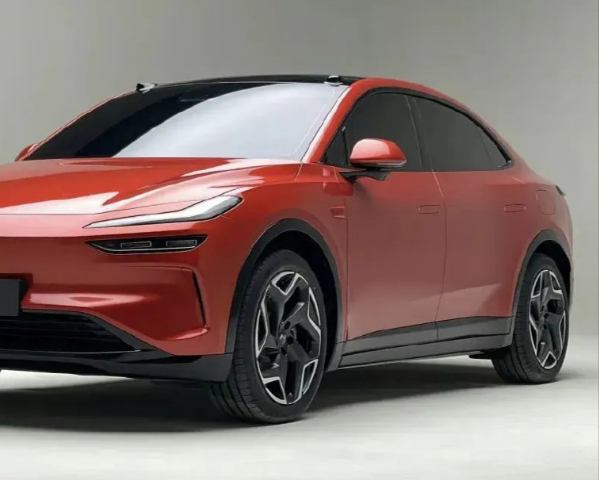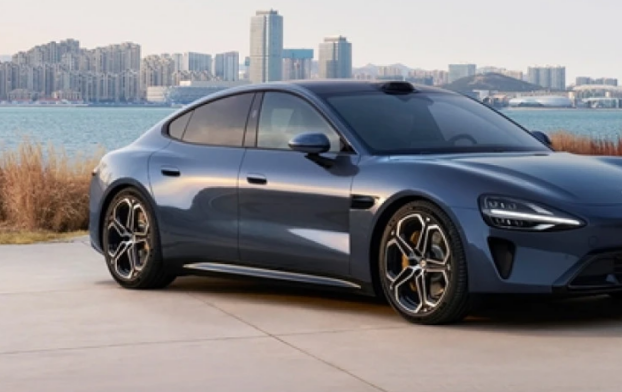
As international demand for cost-effective mobility solutions continues to grow, China’s used vehicle export industry has evolved into one of the most dynamic segments of the global automotive trade. What was once a niche export channel has become a structured supply chain connecting buyers, dealerships, fleet operators, and distributors across multiple continents.
For importers evaluating inventory opportunities in 2026, success depends on more than simply finding competitively priced vehicles. Battery condition, regulatory compliance, shipping requirements, and long-term maintenance support all play critical roles in determining whether a vehicle delivers real value in its destination market.
Whether sourcing electric vehicles or conventional fuel-powered models, understanding the key technical and logistical considerations can significantly reduce procurement risks and improve return on investment.
Understanding Battery Health in Chinese Used EVs
Among all factors affecting the value of a used electric vehicle, battery condition remains the most important.
While mileage and exterior appearance may influence resale value, experienced importers focus primarily on battery performance metrics, particularly the State of Health (SoH). This indicator provides a more accurate picture of remaining battery capacity and expected operational lifespan.
One of the first aspects buyers should examine is battery chemistry.
LFP vs. NMC: Which Battery Technology Fits Your Market?
Most Chinese electric vehicles are equipped with either Lithium Iron Phosphate (LFP) batteries or Nickel Manganese Cobalt (NMC) batteries.
LFP technology has gained widespread popularity due to its excellent thermal stability, lower degradation rate, and longer charge-discharge cycle life. These characteristics make LFP-powered vehicles particularly attractive in regions with high ambient temperatures and intensive daily usage.
Meanwhile, NMC batteries offer higher energy density and longer driving range, which may appeal to buyers operating in colder climates or areas where charging infrastructure remains limited.
When evaluating a used EV battery health report, importers should compare battery capacity retention, charging history, and diagnostic records rather than relying solely on vehicle age.
Another critical factor is the thermal management system.
Vehicles equipped with liquid-cooled battery systems generally demonstrate more consistent long-term battery performance compared to air-cooled alternatives. This becomes especially important when exporting vehicles to regions experiencing extreme temperatures.
Software Localization and Charging Compatibility
Unlike conventional vehicles, modern EVs are heavily dependent on software ecosystems.
Many Chinese-market EVs are originally configured for domestic applications, navigation systems, and cloud-based services. Before export, importers should assess the feasibility of software localization, including language conversion and compatibility with local digital services.
Buyers should also verify charging interface compatibility with destination-market standards.
Common requirements include:
- CCS2 compatibility for European markets
- CHAdeMO support in specific regions
- Local charging network integration
- Firmware updates for overseas operation
The growing importance of EV software localization means technical support capabilities should be considered as carefully as mechanical condition.
Why Global Demand for ICE Vehicles Remains Strong
Although electric mobility continues to expand worldwide, internal combustion engine (ICE) vehicles remain an essential part of many international automotive markets.
In numerous developing regions, charging infrastructure expansion is progressing more slowly than vehicle demand. As a result, reliable fuel-powered vehicles continue to represent a practical and economically viable transportation solution.
Markets throughout Central Asia, Africa, South America, and parts of the Middle East continue to demonstrate stable demand for quality Chinese-used ICE vehicles.
When evaluating these vehicles, buyers typically focus on several proven mechanical indicators:
- Engine compression consistency
- Automatic transmission performance
- Suspension durability
- Chassis integrity
- Service history documentation
Unlike EV procurement, where battery diagnostics dominate the evaluation process, ICE sourcing remains largely centered on traditional mechanical inspections.
The maturation of the Chinese auto parts supply chain has also strengthened confidence among overseas buyers. Replacement components for many Chinese vehicle brands are now available through regional distributors, reducing maintenance costs and minimizing downtime.
This improved aftermarket ecosystem has significantly enhanced the long-term viability of importing used Chinese fuel vehicles.
Export Compliance and Vehicle Homologation Requirements
Regulatory compliance remains one of the most overlooked aspects of international vehicle procurement.
Regardless of vehicle type, importers must verify that all export and import documentation meets applicable legal requirements before committing to a transaction.
China’s used vehicle export sector operates under a regulated licensing framework. Working with an authorized exporter helps reduce customs complications and prevents avoidable shipping delays.
Equally important is the homologation process in the destination market.
Homologation refers to the certification procedures required to ensure a vehicle complies with local safety, environmental, and technical regulations.
Emissions Compliance for ICE Vehicles
Many countries enforce emissions standards based on Euro-equivalent regulations.
Depending on the destination market, importers may need to verify compliance with:
- Euro 4 standards
- Euro 5 standards
- Euro 6 standards
Failure to meet local emissions requirements can result in import restrictions or registration challenges.
EV Safety and Battery Documentation
Electric vehicles face additional compliance requirements.
Importers should verify the availability of:
- Battery certification documents
- Electrical safety reports
- UN38.3 transportation compliance records
- Hazardous goods documentation where applicable
Proper documentation simplifies customs clearance and reduces the likelihood of regulatory complications upon arrival.
For many buyers, understanding vehicle homologation requirements early in the procurement process can save substantial time and cost later.
International Shipping Options for Used Vehicle Exports
Selecting the right shipping method can have a significant impact on both transportation costs and vehicle condition upon arrival.
The two most commonly used export methods are Roll-on/Roll-off (RoRo) shipping and container shipping.
RoRo Shipping
RoRo remains the preferred solution for large-volume imports.
Vehicles are driven directly onto specialized vessels and secured for transport. This method is generally more economical for fleet purchases and dealer inventory shipments.
Container Shipping
Container transport provides additional protection from weather exposure and handling risks.
A standard 40HQ container can typically accommodate two to four vehicles, depending on dimensions and loading configuration.
Containerized shipping is often preferred when exporting higher-value inventory or shipping to regions without dedicated RoRo infrastructure.
Special Considerations for Electric Vehicle Transport
EV shipping requires additional safety measures.
Most international carriers require electric vehicles to be transported with battery charge levels below 30 percent. This precaution reduces fire risk and aligns with maritime transportation safety protocols.
Importers should also verify compliance with UN38.3 battery transportation standards before scheduling shipment.
Failure to meet these requirements may lead to loading delays, additional inspections, or vessel rejection.
Building a Sustainable Vehicle Sourcing Strategy
Successful vehicle importation depends on more than identifying attractive pricing opportunities.
Experienced buyers evaluate every stage of the supply chain, including technical inspections, regulatory compliance, logistics planning, and after-sales support.
Whether sourcing electric vehicles or fuel-powered models, a data-driven procurement strategy helps minimize uncertainty and improve inventory performance.
For companies exploring Chinese used vehicle export opportunities, comparing battery reports, maintenance records, certification documents, and shipping options is essential before making purchasing decisions.
As international demand continues to diversify, importers who combine technical due diligence with reliable sourcing partnerships will be best positioned to capitalize on the growing global market for Chinese-used vehicles.
Businesses seeking export-ready EVs and ICE vehicles can explore available inventory through usedevchina.com, where vehicle specifications, sourcing support, and export logistics solutions are designed to assist buyers operating across international markets.