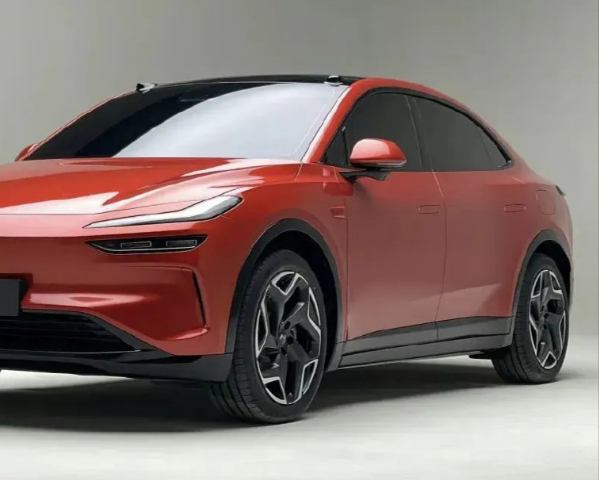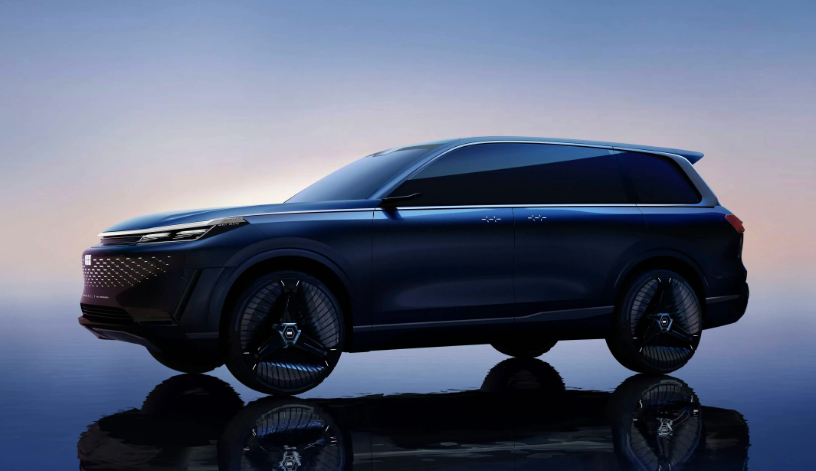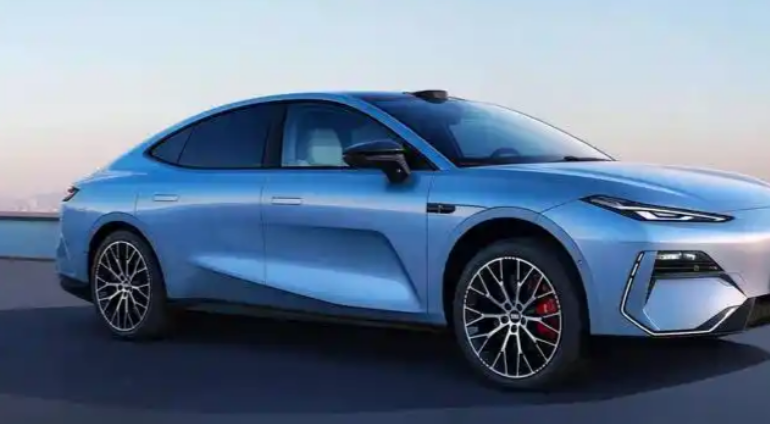
The international trade of pre-owned New Energy Vehicles (NEVs) is often viewed through the lens of battery-electric vehicles (BEVs). While fully electric models continue to attract significant attention, recent export trends indicate a broader shift taking place within the used vehicle sector. Increasingly, Plug-in Hybrid Electric Vehicles (PHEVs) and Extended-Range Electric Vehicles (EREVs) are emerging as highly sought-after products in international markets.
For automotive importers, fleet operators, and regional distributors, these dual-powertrain vehicles offer a practical balance between electrification and operational flexibility. As infrastructure development progresses unevenly across different regions, PHEVs and EREVs are filling a critical gap between traditional internal combustion vehicles and fully electric transportation.
Understanding the Difference Between PHEVs and EREVs
Although PHEVs and EREVs are often grouped together, their engineering architectures differ significantly.
A PHEV combines an electric motor and a conventional gasoline engine, both of which can contribute directly to vehicle propulsion. Depending on driving conditions, the system may operate in pure electric mode, hybrid mode, or engine-assisted mode. Most modern PHEVs provide between 50 and 120 kilometers of electric-only driving range, making them suitable for daily commuting while maintaining long-distance travel capability.
An EREV, by contrast, functions primarily as an electric vehicle. The wheels are powered exclusively by the electric motor, while the gasoline engine serves as a generator that replenishes battery energy when needed. This setup delivers a driving experience that closely resembles a pure EV, with smooth acceleration and minimal drivetrain noise. Many modern EREVs can travel more than 150 kilometers on battery power alone before the generator system becomes active.
Chinese manufacturers have invested heavily in both technologies, making them increasingly important products within the global used vehicle supply chain.
Infrastructure Challenges Are Driving Demand
One of the strongest factors behind the growing popularity of used PHEVs and EREVs is the reality of charging infrastructure in many importing countries.
Across parts of Central Asia, South America, Africa, and several emerging economies, public fast-charging networks remain limited. Charging stations may be concentrated in major metropolitan areas while rural regions continue to rely almost entirely on traditional fueling infrastructure.
Under these conditions, consumers often hesitate to purchase a fully electric vehicle despite growing interest in lower operating costs and environmental benefits.
PHEVs and EREVs solve this problem by offering flexibility. Owners can complete most daily trips using electricity while retaining access to gasoline-powered range extension when required. This significantly reduces concerns about charging availability and increases consumer confidence in vehicle adoption.
As a result, used dual-powertrain vehicles frequently experience stronger resale demand and faster inventory turnover in developing markets than comparable BEVs.
Evaluating Residual Value Requires a Different Approach
Assessing the value of a used PHEV or EREV is more complex than evaluating either a conventional vehicle or a pure battery-electric model.
Importers must examine both the electrical and mechanical systems to accurately determine long-term reliability and market value.
Battery health remains a critical indicator. Verifying Battery State of Health (SOH) through diagnostic tools provides insight into remaining battery capacity and expected performance.
However, buyers should also assess the combustion-related components. Important inspection points include:
- Engine operating hours versus electric driving hours
- Historical maintenance records
- Engine oil condition and fluid quality
- Generator efficiency in EREV systems
- Cooling system integrity across battery, motor, and engine circuits
Vehicles that have accumulated most of their mileage in electric mode often exhibit lower engine wear, creating an attractive value proposition for secondary market buyers.
The Impact of Tariffs and Vehicle Classification
Beyond technical evaluation, successful importing depends heavily on understanding local regulatory frameworks.
Many countries offer tax incentives and reduced import duties for zero-emission vehicles. However, because PHEVs and EREVs contain internal combustion engines, customs authorities may classify them differently from pure electric vehicles.
The result can be substantial differences in total landed cost.
In some jurisdictions, dual-powertrain vehicles qualify for partial incentives, while others classify them under traditional gasoline vehicle regulations. Import duties, environmental taxes, and registration fees may vary considerably depending on the applicable Harmonized System (HS) code.
Before committing to large-scale procurement, importers should work closely with customs specialists and local compliance consultants to determine the precise tariff treatment applicable to each vehicle category.
Strategic Sourcing in a Growing Market
As international demand continues to diversify, sourcing quality inventory has become increasingly important. Buyers are no longer focused exclusively on BEVs; many are actively seeking well-maintained PHEVs and EREVs that align with local infrastructure realities.
Reliable sourcing requires access to verified vehicle histories, battery diagnostic reports, export documentation, and up-to-date market intelligence. Industry-focused platforms such as usedevchina.com help bridge the gap between domestic Chinese inventory and overseas demand by providing market insights, technical information, and direct access to available vehicles.
For distributors seeking sustainable long-term growth, combining data-driven procurement with rigorous inspection standards can significantly reduce risk while improving profitability.
Conclusion
The growing role of PHEVs and EREVs in the used vehicle export sector reflects a practical stage in the global transition toward electrified transportation. While fully electric vehicles remain the long-term objective for many markets, infrastructure limitations and consumer behavior continue to create strong demand for flexible hybrid solutions.
Importers who understand the technical distinctions, valuation methods, regulatory considerations, and sourcing strategies associated with these vehicles are better positioned to capitalize on one of the fastest-growing segments of the international automotive trade.