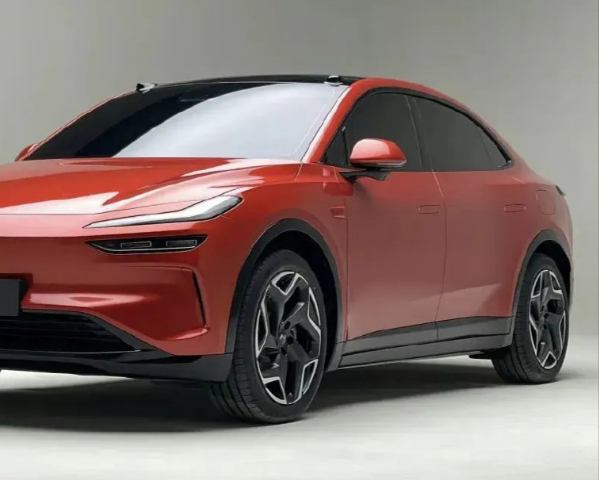
The global shift toward sustainable transportation has transformed the secondary automotive market. As China solidifies its position as a leading manufacturer of New Energy Vehicles (NEVs), international demand for used Chinese electric vehicles is rising steadily. For automotive importers, fleet managers, and B2B buyers, understanding market dynamics, battery performance, and export protocols is critical for informed procurement in 2026.
Current Trends in the Used EV Market
The depreciation pattern of electric vehicles (EVs) is distinct from conventional internal combustion engine (ICE) vehicles. Initially, EVs experienced sharper value declines due to rapid battery technology advancements and concerns over long-term battery degradation. However, residual values are now stabilizing, largely thanks to the widespread use of Lithium Iron Phosphate (LFP) batteries by major Chinese manufacturers. LFP chemistry provides longer cycle life and improved thermal stability compared to older Nickel Manganese Cobalt (NMC) batteries, maintaining vehicle utility over time.
As domestic adoption matures, more off-lease and fleet-retired EVs enter the secondary market. This growing supply is increasingly targeted at international markets in Central Asia, the Middle East, South America, and parts of Eastern Europe, where EV charging infrastructure is expanding and interest in cost-effective electric mobility is increasing.
Evaluating Battery State of Health (SOH)
When sourcing used EVs, battery health is the primary factor affecting value and performance. Battery State of Health (SOH) is the key metric for assessing a vehicle’s remaining range and operational viability.
Professional evaluation requires:
- On-Board Diagnostics (OBD-II) Data Extraction: Reading battery management system (BMS) data to analyze individual cell voltages, temperature variations, and historical charging patterns.
- SOH Certification: Vehicles with SOH above 85% are considered ideal for resale, while those below 70% may require price adjustments or be reserved for closed-campus fleets or battery recycling.
- Cycle Count Analysis: Differentiating between DC fast charging and standard AC charging cycles, as extensive fast charging can accelerate degradation even with low mileage.
Software Localization and Connectivity
Modern Chinese EVs integrate advanced software and telematics, including Over-The-Air (OTA) updates. Exported vehicles often require software localization for international markets, including translating interfaces and adapting embedded SIMs for local networks. Additionally, certain ADAS features depend on localized HD maps, which may not function outside China. Buyers must establish realistic expectations for available software features post-export.
Charging Infrastructure Compatibility
Hardware compatibility is crucial when exporting EVs. Chinese vehicles use the GB/T charging standard, whereas markets abroad often use CCS1, CCS2, or CHAdeMO standards.
Two common solutions:
- Adapter Solutions: Using certified GB/T to CCS2 or Type 2 adapters. Buyers must verify amperage ratings to prevent overheating.
- Port Retrofitting: Replacing the internal charging receptacle and updating the charge controller for seamless integration with foreign chargers, though this increases initial costs.
Supply Chain and Export Procedures
Cross-border transport of used EVs requires compliance with regulations. Vehicle deregistration, tax clearance, and export licenses are mandatory. Transporting high-voltage lithium-ion batteries involves maritime safety protocols. For RoRo shipping, batteries must maintain a State of Charge (SOC) between 20%-50% to minimize risks.
Sourcing Through Reliable Platforms
Accessing accurate information and dependable sourcing channels is essential. Platforms like usedevchina.com provide both market insights and vehicle inventories, bridging the gap between research and procurement for used Chinese EVs.
Summary
The international market for used Chinese electric vehicles offers opportunities fueled by growing supply and longer-lasting LFP batteries. Success requires focusing on digital diagnostics, battery chemistry analysis, and hardware compatibility, alongside a clear understanding of export logistics. By prioritizing objective data and technical compliance, buyers can confidently integrate these vehicles into emerging markets.