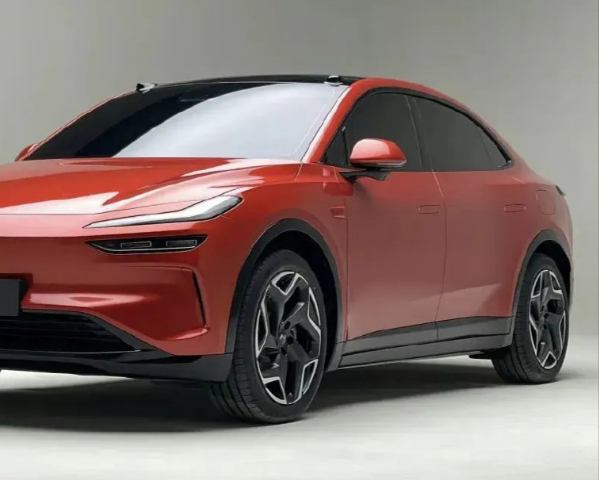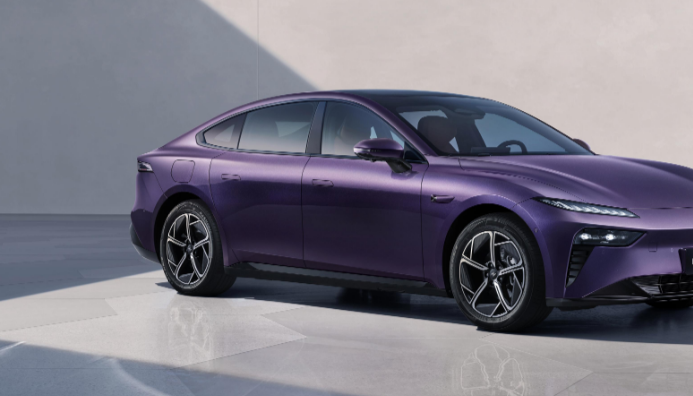
The global electric vehicle market is no longer driven solely by new car demand. In 2026, one of the fastest-growing sectors in automotive trade is the pre-owned EV market, fueled by improving battery technology, broader charging infrastructure, and rising international demand for cost-efficient electric mobility solutions.
For private buyers, fleet operators, and international vehicle importers alike, one question continues to dominate purchasing decisions: how well does a used EV actually perform in real-world driving conditions?
Factory-rated driving range often tells only part of the story. Weather, driving style, software optimization, charging behavior, and battery thermal management all influence how efficiently an electric vehicle performs over time. Fortunately, modern EV engineering has significantly improved long-term battery durability, making second-hand electric vehicles far more reliable than many early skeptics predicted.
Understanding EV Range Ratings in Global Markets
Anyone researching a pre-owned electric vehicle will quickly encounter several different range certification systems. These standards are essential reference points, but they are not designed to perfectly replicate everyday driving.
The three most widely used EV testing standards today include:
EPA Range Standard
Used primarily in the United States, the EPA testing cycle is widely regarded as the most conservative and realistic benchmark for highway-focused driving. Vehicles tested under EPA standards typically produce range estimates that align closely with real-world mixed driving conditions.
For buyers importing EVs into North America, EPA-equivalent expectations are often considered the safest way to estimate practical range performance.
WLTP Certification
The Worldwide Harmonized Light Vehicles Test Procedure (WLTP) is commonly used across Europe and many international export regions. Compared with EPA testing, WLTP figures generally appear slightly higher because the testing cycle includes more urban efficiency scenarios and lower average speeds.
WLTP remains one of the most balanced systems for evaluating daily usability in mixed city and suburban driving environments.
CLTC Range Ratings
China’s domestic market primarily uses the CLTC (China Light-Duty Vehicle Test Cycle) standard. Since Chinese urban traffic patterns involve frequent stop-and-go conditions and lower cruising speeds, CLTC figures tend to be more optimistic than EPA estimates.
This becomes especially important when sourcing Chinese pre-owned EVs for overseas markets.
For example, a vehicle advertised with a 600 km CLTC range may realistically achieve approximately 450–500 km under practical mixed driving conditions. Even after adjustment, this still exceeds the daily requirements of most personal commuters and commercial delivery fleets.
As Chinese electric vehicles continue expanding into international markets, understanding the relationship between CLTC ratings and real-world efficiency has become a critical part of smart EV procurement.
Why Battery Management Systems Matter More Than Battery Size
Many first-time EV buyers focus exclusively on battery capacity, but experienced industry professionals know that the Battery Management System (BMS) often matters even more.
The BMS functions as the central intelligence system of the battery pack. It continuously monitors:
- Cell voltage balance
- Charging behavior
- Temperature regulation
- Energy distribution
- Battery protection thresholds
Modern BMS software has evolved dramatically over the past five years. Today’s leading electric vehicle manufacturers use advanced algorithms that actively reduce battery stress during charging and discharging cycles.
This directly improves long-term battery health.
In practical terms, many high-quality pre-owned EVs manufactured after 2022 retain a significantly higher percentage of original battery capacity than early-generation EVs produced a decade ago.
For international buyers evaluating used electric vehicles, reviewing the vehicle’s State of Health (SOH) report is now considered standard practice. A professionally documented SOH assessment provides valuable insight into battery degradation levels and expected long-term performance.
Cold Weather Performance and Thermal Management Technology
Battery efficiency changes significantly in colder climates, making thermal management one of the most important factors in real-world EV usability.
When cabin heating activates during winter driving, energy must be drawn directly from the battery pack. Vehicles equipped with inefficient heating systems can experience noticeable range reductions.
PTC Heating Systems
Older or entry-level electric vehicles commonly rely on Positive Temperature Coefficient (PTC) heaters. These systems operate similarly to traditional electric space heaters by generating direct heat through electrical resistance.
While simple and reliable, PTC heaters consume substantial energy. In freezing temperatures, they may reduce effective driving range by as much as 20–30%.
Heat Pump Technology
Most modern mid-range and premium EVs now utilize heat pump systems instead.
Rather than generating heat directly, heat pumps transfer ambient thermal energy from outside air or vehicle components into the cabin. This approach dramatically improves efficiency during winter operation.
For buyers located in colder regions such as Northern Europe, Canada, or the northern United States, pre-owned EVs equipped with heat pump systems are increasingly viewed as premium assets because they maintain stronger range consistency throughout winter months.
Software-Defined Vehicles and OTA Updates
One of the biggest differences between traditional combustion vehicles and modern electric vehicles is that EVs continue evolving after purchase.
Software-defined architecture allows manufacturers to deploy Over-The-Air (OTA) updates that improve vehicle functionality long after production.
For used EV buyers, this creates a major advantage.
A pre-owned vehicle originally manufactured in 2023 may still receive software improvements in 2026 that optimize:
- Battery efficiency
- Motor response
- Charging performance
- Energy regeneration
- Infotainment systems
- Driver assistance functions
This means second-hand EV ownership increasingly resembles participation in an active digital ecosystem rather than ownership of static hardware.
In many cases, OTA software optimization can slightly improve real-world efficiency and driving experience over time — something impossible in conventional gasoline vehicles.
The Growing Importance of Battery Transparency
As the global used EV industry matures, transparency has become a defining competitive advantage.
Professional exporters and large-scale EV procurement platforms now routinely provide:
- Battery diagnostic reports
- SOH certifications
- Charging history records
- Inspection documentation
- Thermal system evaluations
- Vehicle software status reports
This increased transparency is helping build confidence among both individual consumers and commercial fleet buyers.
For international sourcing companies, access to verified battery condition data reduces procurement risk and improves long-term operational planning.
Making Smarter Pre-Owned EV Purchasing Decisions
The modern pre-owned EV market is no longer experimental. Advances in battery chemistry, thermal efficiency, and software optimization have transformed used electric vehicles into highly practical transportation assets for both consumers and businesses.
Understanding how real-world range differs from laboratory testing standards allows buyers to make more accurate comparisons across international markets.
At the same time, evaluating battery management systems, thermal technology, and software support can reveal which vehicles are likely to deliver the strongest long-term value.
As global demand for affordable electric mobility continues rising, thoroughly inspected second-hand EVs are becoming an increasingly strategic solution for importers, fleet operators, and environmentally conscious drivers alike.
For buyers actively researching vehicle availability, reviewing professionally inspected inventory with transparent battery diagnostics can help bridge the gap between technical research and confident ownership decisions.