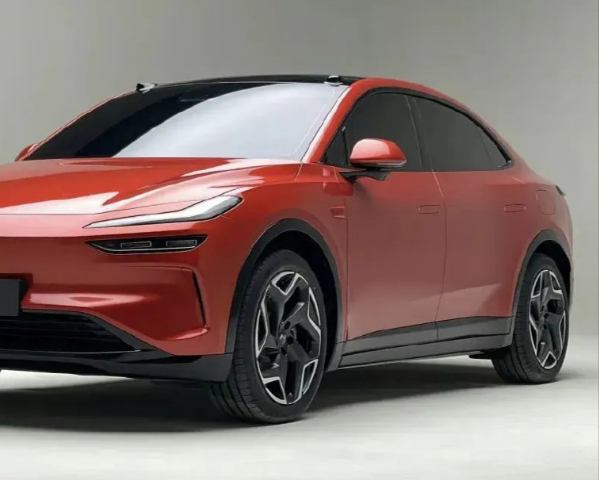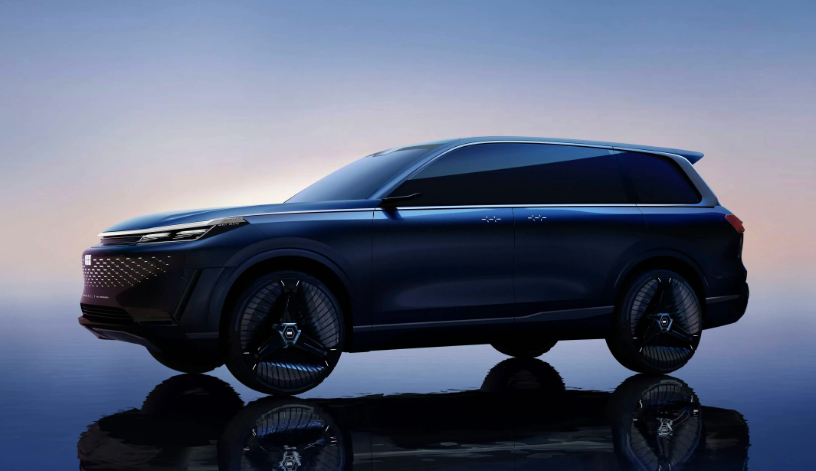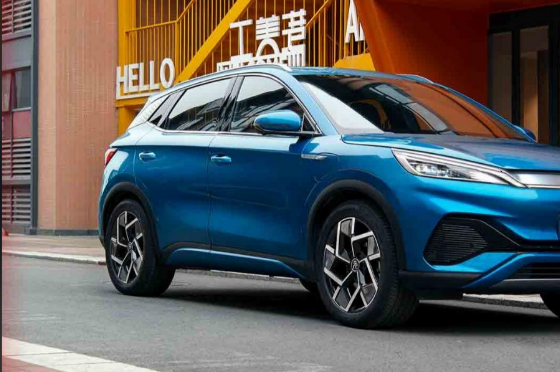
The global electric vehicle industry is entering a new phase of maturity. While the first wave of EV adoption focused heavily on new vehicle sales, 2026 is shapinhttps://usedevchina.comg up to be the year when the pre-owned electric vehicle market becomes a major force in international automotive trade.
As more consumers replace early-generation EVs with newer models offering longer range and smarter software ecosystems, a growing inventory of second-hand electric vehicles is entering the market. This shift is creating new opportunities for automotive importers, fleet operators, dealerships, and private buyers looking for cost-effective access to electric mobility.
At the same time, Chinese electric vehicles are playing an increasingly important role in global used EV exports due to their competitive pricing, advanced battery technologies, and strong manufacturing scale.
Why the Used EV Market Is Expanding Rapidly
Several years ago, many buyers remained cautious about purchasing used electric cars. Concerns about battery degradation, software reliability, and charging infrastructure limited demand in many international markets.
However, those concerns are gradually fading.
Modern EV platforms have demonstrated significantly better durability than earlier industry predictions. Battery management systems have become more sophisticated, thermal efficiency has improved, and over-the-air software updates now allow manufacturers to continuously optimize vehicle performance long after the initial purchase.
This has fundamentally changed buyer perception.
Today, a pre-owned electric vehicle is no longer viewed as a risky alternative to a new car. Instead, it is increasingly considered a practical and financially efficient entry point into sustainable transportation.
In many countries, used EV demand is accelerating faster than new EV sales because consumers are prioritizing affordability while still wanting access to modern electric mobility technologies.
Chinese EVs Are Dominating the Secondary Export Market
China continues to lead the global electric vehicle supply chain, from battery manufacturing to large-scale vehicle production. As domestic EV adoption in China matures, substantial volumes of high-quality used electric vehicles are entering international export channels.
For global buyers, this creates a highly attractive sourcing opportunity.
Many pre-owned Chinese EVs entering overseas markets still feature advanced technologies that remain competitive with newer models produced by traditional automakers. Features commonly found in exported vehicles include:
- Intelligent cockpit systems
- Advanced Driver Assistance Systems (ADAS)
- Large infotainment displays
- Smart connectivity ecosystems
- High-efficiency thermal management systems
- Long-range battery platforms
The diversity of available models is also a major advantage. Buyers can source compact urban EVs, family-oriented crossovers, premium electric SUVs, and commercial electric fleet vehicles depending on local market demand.
As EV adoption grows across Southeast Asia, the Middle East, Africa, Eastern Europe, and Latin America, demand for affordable imported electric vehicles from China is expected to increase throughout 2026.
Battery Technology Is Becoming a Competitive Advantage
Battery performance remains the most important factor when evaluating a used electric vehicle.
Fortunately, battery chemistry improvements have significantly increased long-term reliability.
A large percentage of Chinese EV exports now utilize Lithium Iron Phosphate (LFP) batteries. Compared to traditional nickel-based battery chemistries, LFP batteries offer several important benefits:
- Improved thermal stability
- Lower fire risk
- Longer charge cycle lifespan
- More predictable long-term degradation rates
- Better suitability for high-mileage commercial use
Because of these characteristics, many used EVs equipped with LFP battery packs still retain strong driving range after several years of operation.
This is especially important for fleet operators and import businesses focused on long-term operational efficiency rather than short-term resale value.
Understanding Battery State of Health (SOH)
In the used EV industry, battery State of Health (SOH) has become one of the most critical metrics in vehicle evaluation.
SOH measures the remaining battery capacity relative to the battery’s original factory condition. A higher SOH percentage generally indicates better remaining range potential and longer service life.
By 2026, professional cross-border EV transactions increasingly require transparent battery diagnostics before export.
Well-maintained electric vehicles commonly experience battery degradation rates of approximately 1.5% to 2.5% annually, depending on:
- Climate conditions
- Charging frequency
- Fast charging usage
- Driving habits
- Thermal management efficiency
Vehicles primarily charged through Level 2 AC charging systems typically demonstrate slower degradation compared to vehicles heavily dependent on frequent DC fast charging.
Importers are also paying closer attention to cooling system design. EVs equipped with active liquid-cooled battery systems generally maintain more stable battery temperatures, which contributes to improved long-term battery durability.
For buyers entering the international used EV market, understanding SOH reporting standards is now essential.
Charging Compatibility and Infrastructure Challenges
One of the biggest challenges in cross-border electric vehicle trade remains charging infrastructure compatibility.
Different global markets rely on different charging standards. Chinese domestic vehicles commonly use the GB/T charging standard, while Europe and many international markets utilize CCS2 or Type 2 connectors.
Fortunately, adapter technology and charging conversion solutions have improved dramatically over the past several years.
Reliable GB/T-to-CCS2 and GB/T-to-Type-2 charging adapters are now widely available, allowing imported Chinese EVs to integrate into local public charging networks with minimal technical complications.
In addition, many professional exporters now provide:
- Software localization services
- Language conversion for infotainment systems
- OTA update support
- Regional charging configuration assistance
- Compliance documentation support
These services are helping simplify the international adoption of pre-owned electric vehicles.
Total Cost of Ownership Is Driving Demand
For many buyers, the strongest argument in favor of used EVs is no longer environmental sustainability alone — it is economics.
The Total Cost of Ownership (TCO) for electric vehicles remains substantially lower than traditional internal combustion engine vehicles in many operating environments.
Electric vehicles generally require:
- Fewer mechanical repairs
- No oil changes
- Reduced brake maintenance
- Lower drivetrain servicing costs
- Simplified routine maintenance schedules
For commercial operators and mobility fleets, these reduced operating costs can offset import logistics expenses relatively quickly.
As fuel prices fluctuate globally, businesses are increasingly evaluating vehicles based on long-term cost-per-mile efficiency rather than simple upfront purchase pricing.
This trend is expected to further strengthen demand for affordable pre-owned EV inventory throughout 2026.
Reliable Market Information Matters More Than Ever
As international used EV trading volumes continue to grow, buyers need access to accurate and continuously updated market information.
Successful importers closely monitor:
- Export regulations
- Battery certification requirements
- Vehicle availability
- Shipping logistics
- Charging compatibility standards
- Regional EV incentives
- Customs compliance policies
Working with experienced sourcing platforms and industry-focused EV information hubs can significantly reduce procurement risks.
Some specialized automotive platforms now combine industry news coverage, inventory sourcing, export coordination, and vehicle inspection services into a single ecosystem, making cross-border EV procurement more efficient than ever before.
The Future of the Global Used EV Industry
The global market for pre-owned electric vehicles is expected to expand rapidly throughout 2026 and beyond.
Battery technology is proving more durable than many analysts initially expected, while international charging infrastructure continues to improve across emerging markets.
At the same time, China’s dominance in EV manufacturing is generating a steady supply of technologically advanced used vehicles for international buyers.
For automotive dealers, fleet operators, and private importers, the opportunity is significant — but success increasingly depends on understanding battery health, infrastructure compatibility, and long-term operating economics.
As the global automotive industry transitions toward electrification, the secondary EV market is no longer a temporary trend. It is becoming a permanent pillar of the international mobility ecosystem.