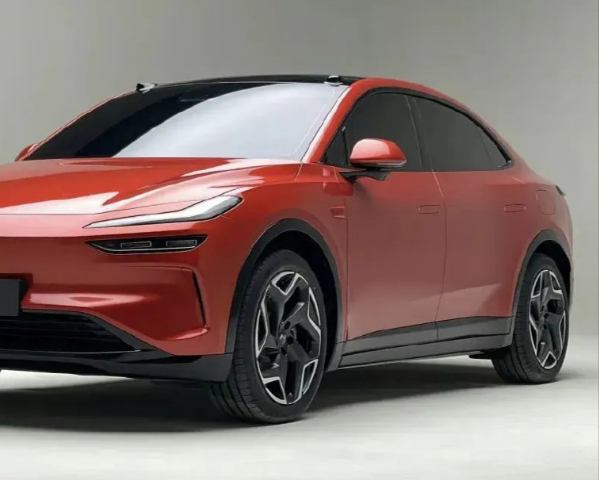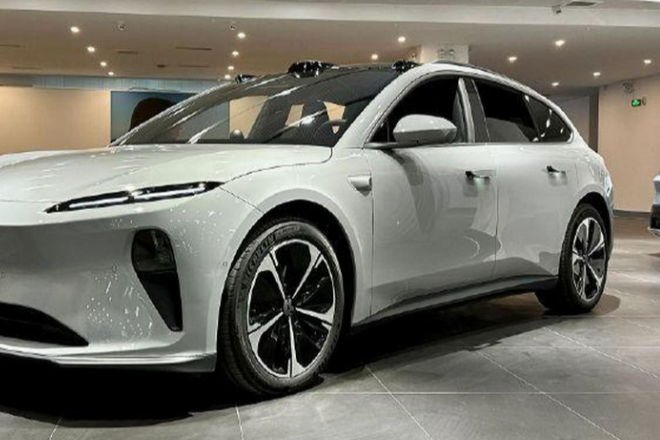
The international market for used electric vehicles has expanded rapidly over the past few years, creating new opportunities for dealerships, fleet operators, vehicle importers, and automotive distributors. As more countries accelerate the transition to electric mobility, businesses are increasingly looking beyond domestic markets to secure reliable inventory with competitive pricing.
In 2026, successful EV sourcing is no longer driven by price alone. Professional buyers evaluate battery performance, vehicle history, software compatibility, export compliance, and supply chain reliability before making purchasing decisions. Companies that establish standardized procurement processes are better positioned to reduce operational risk and build long-term customer confidence.
This guide outlines the key factors every B2B buyer should consider when sourcing and exporting used electric vehicles.
Start with Vehicle Quality, Not Just Price
Competitive pricing is important, but long-term profitability depends on sourcing vehicles that consistently meet customer expectations.
Experienced importers prioritize used electric vehicles with documented maintenance histories, verified ownership records, and professional inspection reports. Late-model EVs equipped with modern battery technology, advanced driver assistance systems, and fast-charging capability typically deliver stronger resale value and lower post-sale support costs.
Vehicles that have experienced severe collision damage, unauthorized modifications, or incomplete maintenance records may create compliance challenges in destination markets while increasing warranty claims and customer dissatisfaction.
Establishing clear procurement standards before purchasing inventory helps maintain consistent vehicle quality across every shipment.
Battery Certification Has Become an Industry Standard
Battery condition remains the most valuable asset in any electric vehicle.
Professional buyers should request certified battery State of Health (SoH) reports for every vehicle included in a procurement order.
A complete battery assessment generally includes:
- Remaining battery capacity
- Battery cycle count
- Battery Management System (BMS) diagnostics
- Charging history
- Thermal management performance
- High-voltage system inspection
Standardized battery diagnostics provide measurable data that helps buyers evaluate vehicle performance more accurately than mileage alone.
Many fleet operators and international dealerships now require battery certification as part of their procurement policy to reduce future maintenance risks and improve customer confidence.
Verify Every Vehicle Before Export
Visual inspections alone are no longer sufficient for international vehicle procurement.
Professional verification should include both physical inspection and digital diagnostics.
A comprehensive inspection typically covers structural condition, battery performance, suspension, braking systems, charging equipment, electrical components, software status, and vehicle identification records.
Reviewing VIN history, service documentation, accident reports, and manufacturer maintenance records helps identify potential issues before vehicles enter the export process.
Working with suppliers that provide transparent inspection documentation significantly reduces the likelihood of disputes after delivery.
Understand International Compliance Requirements
Exporting electric vehicles involves additional regulatory considerations compared with conventional automobiles.
Lithium-ion batteries are subject to international transportation regulations, requiring specialized handling, documentation, and shipping procedures.
Businesses should also verify destination-country requirements, including:
- Vehicle import eligibility
- Customs regulations
- Safety certification
- Charging connector compatibility
- Local technical standards
- Registration requirements
- Environmental compliance
Preparing complete export documentation before shipment minimizes customs delays while improving supply chain efficiency.
Organizations with experience in international EV logistics can often simplify these processes through standardized documentation and compliance support.
Build a Reliable Supply Chain
Long-term business growth depends on sourcing consistency rather than isolated purchasing opportunities.
Developing partnerships with experienced suppliers allows businesses to secure stable inventory, maintain predictable quality standards, and respond quickly to changing market demand.
Many international buyers now source used EVs from China because of the country’s large domestic electric vehicle market, extensive supply of late-model inventory, and competitive export pricing.
Professional sourcing partners frequently provide additional services including vehicle inspections, battery certification, export documentation, logistics coordination, customs assistance, and after-sales support.
These services reduce procurement complexity while allowing buyers to focus on business development instead of administrative challenges.
Logistics Can Determine Profitability
Transportation costs represent a significant portion of international procurement expenses.
Selecting experienced logistics providers familiar with electric vehicle shipping helps reduce delays, protect vehicle condition during transport, and improve delivery reliability.
Businesses should evaluate shipping schedules, port capabilities, insurance coverage, customs clearance efficiency, and destination distribution networks before confirming procurement plans.
Integrated logistics planning also allows companies to better forecast inventory arrival times and manage customer expectations.
Efficient logistics contribute directly to lower operating costs and stronger customer satisfaction.
Transparency Creates Long-Term Business Value
The modern automotive market increasingly rewards transparency.
Dealerships and fleet operators that provide complete inspection reports, battery certification, maintenance records, and verified vehicle histories build stronger customer relationships and improve brand reputation.
Offering detailed documentation also simplifies financing, warranty administration, resale transactions, and regulatory inspections.
For international buyers, transparent procurement reduces uncertainty while creating measurable competitive advantages in increasingly sophisticated markets.
Looking Ahead
Demand for high-quality used electric vehicles continues to grow as businesses around the world accelerate fleet electrification and consumers seek more affordable electric mobility solutions.
Success in this market depends on standardized procurement, verified battery diagnostics, professional inspections, reliable logistics, and complete documentation rather than simply identifying the lowest purchase price.
Whether you are expanding dealership inventory, developing a commercial fleet, or entering new international markets, sourcing Chinese used EVs through trusted export partners provides access to professionally inspected vehicles, certified battery reports, and comprehensive logistics support. By combining transparent sourcing practices with data-driven procurement standards, businesses can reduce operational risk, strengthen customer confidence, and build a sustainable competitive advantage in the rapidly evolving global EV market.