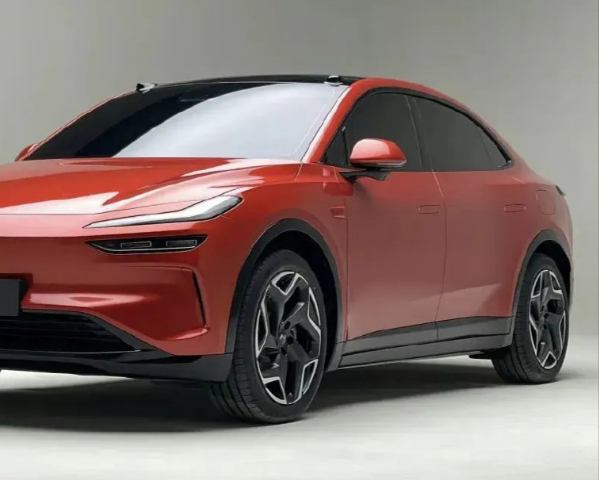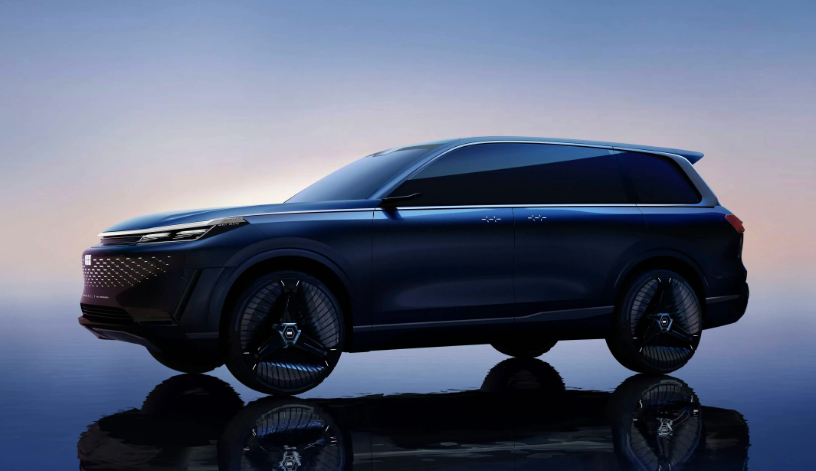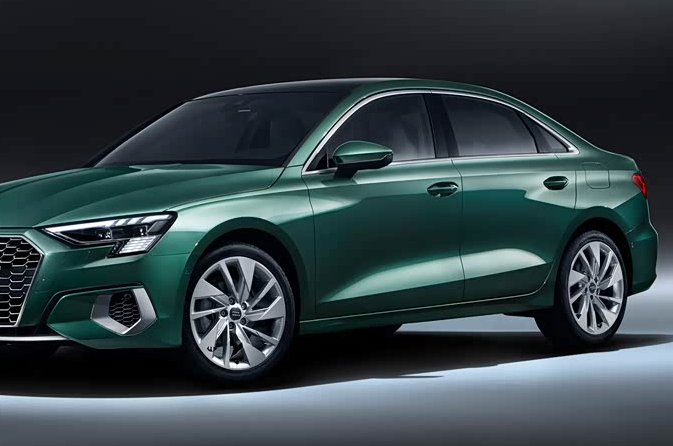
The global electric vehicle market has entered a new stage of maturity in 2026. While new EV technology continues to evolve, one of the most significant developments is happening in the secondary market. A growing supply of late-model electric vehicles is giving buyers access to modern technology, longer driving ranges, and advanced safety features at considerably lower prices than comparable new models.
For consumers and businesses alike, the conversation is no longer simply about switching to electric mobility. Instead, it’s about identifying the best value. Thanks to increased inventory, standardized battery inspections, and improved vehicle transparency, late-model used EVs have become one of the strongest opportunities in today’s automotive market.
Lease Returns Are Reshaping the Market
A major factor behind today’s growing inventory is the large number of electric vehicles reaching the end of their leasing cycles.
Many vehicles leased between 2023 and 2024 are now entering dealerships and international wholesale markets. Most remain relatively new, have moderate mileage, and incorporate battery technology that closely matches today’s production models.
Unlike first-generation EVs, these vehicles typically feature improved thermal management systems, faster charging capability, longer driving range, and more sophisticated software platforms.
This expanding inventory has created greater competition among sellers, allowing buyers to access higher-quality vehicles without paying premium new-car prices.
Battery Health Has Become the New Standard
Battery condition is now one of the first considerations when evaluating any used electric vehicle.
Rather than relying on mileage alone, experienced buyers increasingly request battery State of Health (SoH) reports that measure remaining battery capacity against original factory specifications.
Professional battery diagnostics may also include charging history, battery cycle count, thermal management performance, and Battery Management System (BMS) analysis.
These reports provide objective information that helps buyers compare vehicles more accurately while reducing uncertainty about long-term performance.
As battery certification becomes more widely available, purchasing a used EV has become significantly more transparent than it was only a few years ago.
Lower Depreciation Creates Better Value
One of the biggest financial advantages of purchasing a late-model EV is avoiding the steepest period of depreciation.
Like many new vehicles, electric cars typically experience their largest decline in value during the first few years of ownership. By purchasing a vehicle that is already several years old, buyers often gain access to premium features at a substantially lower cost.
At the same time, improvements in battery durability and software support have contributed to more stable resale values across much of the used EV market.
For many households and commercial buyers, this creates a more attractive balance between purchase price and long-term ownership costs.
Technology Remains Highly Competitive
Many prospective buyers assume a used EV means outdated technology.
That assumption is becoming increasingly inaccurate.
Most late-model electric vehicles already include features that remain standard across much of today’s market, including Advanced Driver Assistance Systems (ADAS), adaptive cruise control, emergency braking, lane-keeping assistance, intelligent navigation, smartphone integration, and connected mobile applications.
In addition, Over-the-Air (OTA) software updates continue improving battery management, charging performance, infotainment systems, and vehicle security long after delivery.
When evaluating pre-owned electric vehicles, buyers should consider software update history alongside battery condition and maintenance records.
A well-maintained vehicle with consistent software support may deliver an ownership experience very similar to that of a brand-new model.
Lower Operating Costs Continue to Drive Demand
Electric vehicles remain attractive because they require less routine maintenance than traditional gasoline-powered vehicles.
Without engine oil changes, complex transmissions, exhaust systems, or many mechanical wear components, maintenance requirements are generally reduced.
Combined with efficient energy consumption, these advantages contribute to a lower Total Cost of Ownership (TCO) over the vehicle’s lifetime.
For many first-time EV owners, purchasing a professionally inspected used model provides access to modern technology while minimizing long-term operating expenses.
China Continues to Supply High-Quality Used EVs
China has become one of the world’s largest sources of export-ready electric vehicles.
Strong domestic adoption has created an extensive inventory of late-model used EVs equipped with advanced battery technology, intelligent connectivity, and competitive pricing.
Many international buyers now choose Chinese used EVs because they combine affordability with features typically associated with newer premium vehicles.
Working with experienced suppliers also provides additional confidence through battery certification, professional inspections, export documentation, customs support, and international logistics services.
These value-added services simplify cross-border procurement while helping buyers reduce purchasing risks.
Choosing the Right Used EV in 2026
As inventory continues expanding, buyers have more options than ever before.
Prioritize vehicles that include verified battery diagnostics, complete maintenance records, documented software updates, and transparent ownership histories.
Professional inspections remain one of the most reliable ways to evaluate vehicle quality before making a purchase.
Whether you’re purchasing your first electric vehicle or adding inventory for commercial operations, sourcing used EVs from China through a trusted supplier provides access to professionally inspected vehicles, certified battery reports, and reliable export support. With technology improving and prices becoming more competitive, late-model used EVs represent one of the smartest investments in today’s automotive market.