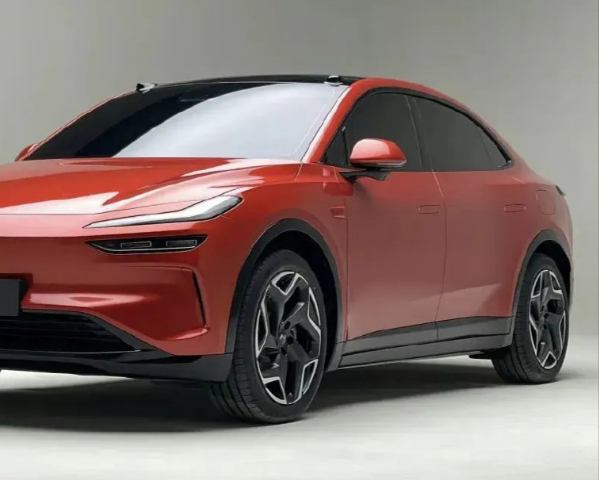
The electric vehicle market has entered a new stage of maturity in 2026. While new EV models continue to attract attention with cutting-edge technology, an increasing number of consumers are discovering that the real value lies in the pre-owned market. Better battery durability, improved charging infrastructure, and greater transparency in vehicle diagnostics have transformed used electric vehicles into a practical and financially attractive choice.
For many buyers, purchasing a pre-owned EV is no longer about compromising on quality to save money. Instead, it has become a strategic decision that combines lower ownership costs with modern technology and long-term reliability.
A More Mature Used EV Market
Only a few years ago, buying a used electric vehicle involved considerable uncertainty. Questions about battery degradation, software compatibility, and long-term maintenance often discouraged potential buyers. Today, those concerns have become far easier to address.
Advancements in battery management systems, standardized diagnostic reports, and manufacturer support have made evaluating a used electric vehicle much more transparent. Buyers now have access to detailed information about battery condition, charging history, and vehicle maintenance before making a purchase.
At the same time, the growing number of lease returns has significantly increased the availability of well-maintained electric vehicles that are only two to four years old. Many of these vehicles still feature modern safety systems, connected services, and manufacturer warranties, making them highly attractive alternatives to buying new.
The Financial Benefits of Buying Used
One of the biggest advantages of purchasing a pre-owned EV is avoiding the sharp depreciation that typically occurs during the first years of ownership.
When buying new, the initial owner absorbs the largest decline in vehicle value. Purchasing a vehicle after this depreciation period allows buyers to obtain advanced technology at a much lower price while maintaining excellent performance.
In addition to the lower purchase price, electric vehicles generally require less routine maintenance than conventional gasoline-powered cars. Without engine oil changes, timing belts, spark plugs, or complex transmissions, many maintenance expenses are significantly reduced throughout the ownership period.
For drivers focused on minimizing their total cost of ownership, these savings can make a meaningful difference over several years.
Battery Health Is Easier to Verify Than Ever
Battery condition remains the most important factor when evaluating a used EV, but it is no longer based on guesswork.
Professional dealerships and reputable suppliers increasingly provide certified Battery State of Health (SoH) reports that measure the remaining battery capacity relative to its original specification. These reports offer valuable insight into how the battery has performed over time and whether it continues to meet expected operating standards.
Modern Battery Management Systems (BMS) continuously monitor charging cycles, operating temperatures, and battery performance. Combined with professional diagnostic equipment, this data allows buyers to make informed purchasing decisions based on measurable information rather than assumptions.
When comparing vehicles, reviewing a verified battery report is often more meaningful than simply looking at the odometer.
Choosing the Right EV for Your Lifestyle
Not every electric vehicle serves the same purpose, so selecting the right model begins with understanding your daily driving habits.
Urban commuters who travel relatively short distances may find that a compact electric hatchback offers excellent efficiency and lower operating costs. Families or drivers who frequently travel between cities may benefit more from long-range SUVs equipped with larger battery packs and faster charging capabilities.
Charging convenience should also play an important role in the decision-making process. Buyers with access to home charging can enjoy one of the greatest advantages of EV ownership—starting each day with a fully charged battery without making regular trips to a fuel station.
Before purchasing, consider:
- Your average daily driving distance
- Available home or workplace charging
- Public charging coverage in your area
- DC fast-charging compatibility
- Remaining manufacturer warranty
Matching these factors to your driving routine helps ensure long-term satisfaction with your vehicle.
Technology Continues to Improve After Purchase
Unlike traditional vehicles, many electric cars continue to receive software improvements throughout their service life.
Manufacturers regularly release over-the-air (OTA) updates that improve charging efficiency, navigation systems, energy management, and driver-assistance features. As a result, many used EVs remain technologically competitive years after leaving the factory.
When evaluating a pre-owned model, buyers should confirm that software updates remain supported and that all digital ownership accounts have been properly transferred. These simple checks help ensure full access to connected features after purchase.
Sustainability Meets Practical Value
Purchasing a pre-owned EV is not only a financially sensible decision but also an environmentally responsible one.
Extending the service life of an existing vehicle reduces demand for new manufacturing, lowers material consumption, and maximizes the value of resources already invested in production. Combined with lower operating emissions and improved energy efficiency, used EVs represent an increasingly sustainable transportation solution.
As battery technology continues to evolve and charging infrastructure expands worldwide, the long-term outlook for the secondary electric vehicle market remains exceptionally positive.
Looking Ahead
The used EV market in 2026 is no longer driven by early adopters—it is being embraced by mainstream consumers looking for dependable, affordable, and technologically advanced transportation.
Greater transparency in battery diagnostics, improving software support, expanding charging networks, and lower ownership costs have fundamentally changed how buyers evaluate electric vehicles. Rather than viewing pre-owned EVs as a compromise, many consumers now recognize them as one of the smartest investments in today’s automotive market.
Whether you’re purchasing your first electric vehicle or upgrading from an older model, choosing a well-maintained used electric vehicle can deliver outstanding value while supporting a cleaner and more sustainable future.