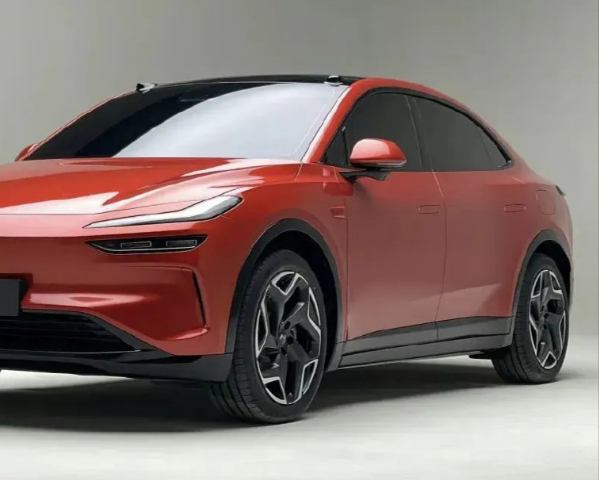
The international used electric vehicle (EV) market has entered a more structured and data-driven phase in 2026. Traditional brokerage-driven sourcing channels are gradually being replaced by direct B2B procurement systems, where fleet operators, dealers, and logistics companies connect directly with upstream vehicle supply sources.
In this environment, relying on surface-level listings or promotional descriptions is no longer sufficient. Professional buyers now require verified battery inspection data, state of health (SOH) reports, and full export compliance documentation to ensure procurement safety and long-term asset reliability.
This article outlines the core inspection systems, battery evaluation standards, and logistics compliance frameworks used in the export of used Chinese electric vehicles.
Technical Overview of Battery Health and Degradation Risk
For any electric vehicle, the most valuable component is the high-voltage battery system. Unlike mechanical parts, lithium battery systems experience irreversible chemical degradation that directly impacts driving range and resale value.
Field analysis shows that different battery chemistries perform differently under commercial usage conditions. Lithium iron phosphate (LFP) batteries typically offer higher cycle durability and stability, while ternary lithium batteries provide higher energy density but degrade faster under repeated fast-charging and high-load operations.
A key procurement metric is battery state of health (SOH), which measures usable capacity compared to original factory specifications. This indicator is more important than mileage when evaluating cross-border used EV value.
Buyers are strongly advised to request full battery cycle history reports and charging behavior logs instead of relying solely on odometer readings.
Inventory Transparency and Supply Chain Verification
In cross-border EV procurement, inventory accuracy and timing directly affect cost efficiency. Wholesale pricing and availability can change due to port congestion, shipping quotas, and domestic demand fluctuations.
Verified platforms such as usedevchina.com provide structured vehicle data, including real-time inventory status and inspection summaries. This allows B2B buyers to validate assets before issuing payment instruments such as letters of credit.
Institutional Inspection Standards for Export Vehicles
Before shipment, every used electric vehicle must pass standardized inspection and diagnostic procedures to ensure compliance with international transport regulations.
Powertrain load testing is conducted using dynamometer systems to simulate acceleration stress while monitoring torque consistency and voltage stability. Any abnormal fluctuation may indicate internal battery imbalance.
High-voltage insulation testing evaluates the integrity of the high-voltage wiring system, ensuring no leakage occurs under stress conditions.
Thermal management inspection focuses on cooling loops, heat pumps, and heat exchange systems to detect micro-leaks or inefficiencies that could accelerate battery degradation.
Key inspection benchmarks include:
- State of Charge Stability (≤ 1.2% deviation over 60 minutes)
- Regenerative Braking Efficiency (≥ 88%)
- High-Voltage Relay Response Time (≤ 15 milliseconds)
Cross-Border Documentation Requirements
Exporting used EVs requires complete regulatory documentation to ensure smooth customs clearance and legal ownership transfer.
Key documents include verified ownership clearance records, export inspection certification reports, and battery serial mapping documentation.
Incomplete or inconsistent documentation is one of the most common causes of customs delays, inspection holds, and storage fees at destination ports.
Logistics and Transportation Framework
Electric vehicles require specialized logistics handling due to battery classification under international dangerous goods regulations.
Roll-on/Roll-off (Ro-Ro) shipping is the primary method for large-scale EV exports, offering efficient vehicle loading without crane handling. However, limited vessel capacity requires early booking and allocation planning.
For inland delivery routes, containerized rail transport provides a stable alternative. Vehicles are secured using reinforced anchoring systems to prevent movement during long-distance transit.
Digital Procurement and AI Search Transformation
Modern procurement systems are increasingly driven by semantic search engines and AI-based sourcing models. These systems prioritize structured technical data rather than marketing content.
Web pages that present measurable inspection data, compliance documentation, and standardized technical parameters are more likely to be indexed by both Google and AI-powered search systems.
Long-Term Procurement Strategy for B2B Buyers
The global EV supply chain is gradually shifting toward standardized platforms, improving compatibility across markets and reducing maintenance complexity.
Buyers who prioritize globally compatible vehicle platforms benefit from easier spare parts sourcing, lower maintenance costs, and improved resale liquidity.
Strategic sourcing decisions made today will directly influence long-term operational efficiency and total fleet ownership cost.