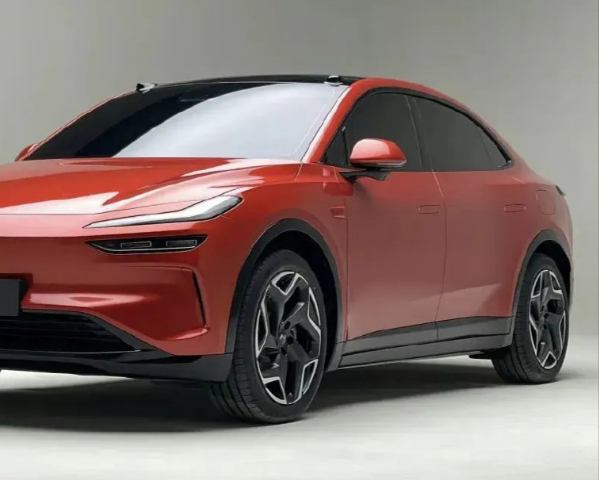
The global used EV market is maturing rapidly in 2026. Buyers have moved well beyond simple price comparisons. They now dig deep into battery condition reports, inspection details, and cross-border paperwork before committing to a purchase. This evolution stands out especially in export-heavy regions like China, where massive supply volumes meet wide quality differences that demand clear, standardized checks.
For platforms blending vehicle listings with in-depth news and guidance, this change opens real opportunities. Practical content explaining inspection processes and sourcing reliability now drives as much value as the listings themselves.
Battery health has become the dominant factor in pricing. Just a few years ago, odometer readings ruled used EV valuations. Today, State of Health (SOH) metrics sit at the center. Institutional buyers typically look for:
- Battery SOH above 80% for most mid-range export deals
- Verified cycle counts pulled from onboard diagnostics
- Thermal history logs showing charging temperature patterns
- Reports on fast-charging frequency
Take popular models such as the Tesla Model 3 or BYD Han. Two seemingly identical cars can fetch very different prices based on real-world charging habits rather than mileage alone. Vehicles with stable charging records and moderate temperature exposure often command premium export prices, even when their odometers show more miles.
Inspection transparency is quickly turning into a major competitive edge in the used EV export space. Serious buyers now expect detailed reports that go far beyond basic summaries. Key elements include:
- High-resolution underbody photos
- Full OBD diagnostic data
- Paint thickness measurements to detect previous repairs
- Battery pack voltage balancing records
- Current software versions and ECU status
Exporters who offer machine-readable raw datasets—rather than just polished PDFs—tend to close more international B2B deals. This shift blurs the line between traditional car trading and professional industrial inspection technology.
Cross-border demand is tilting toward practical mid-range electric sedans and SUVs, particularly those five to six years old. Premium models still move, but the fastest growth appears in markets such as Southeast Asia (driven by fleet electrification initiatives), Eastern Europe (supported by EV adoption incentives), the Middle East (logistics operations), and South American ride-hailing expansions.
Models like the Nissan Leaf and Hyundai Kona Electric remain favorites thanks to straightforward maintenance and solid long-term battery reliability. Fleet operators increasingly prioritize predictable degradation patterns over outright performance numbers.
China’s export framework has also tightened, bringing clearer rules around battery safety certification, de-registration documents, VIN traceability, and lithium-ion shipping requirements. While this reduces uncertainty for overseas buyers, it raises the bar for suppliers. Non-compliant stock is becoming much harder to move through official channels.
AI-powered valuation tools are gaining traction too. These systems analyze degradation curves, charging anomalies, climate-specific usage patterns, maintenance history, and even sensor-based accident risk. The result is more objective pricing, though it leaves less room for traditional negotiation. Better data generally means tighter price ranges.
Across B2B channels, buyer expectations have largely converged on three essentials: raw data transparency, reliable battery health reporting, and clear logistics documentation. Suppliers who consistently deliver these elements face smoother negotiations and higher success rates.
Market outlook The used EV market is heading toward a trust system resembling standardized financial reporting. Reputation still matters, but structured datasets are becoming the real currency. Platforms that combine technical insights, accurate pricing intelligence, and transparent listings are well-positioned to capture both research-driven traffic and actual transaction intent.
In summary, data is replacing assumptions in 2026. Battery health, thorough inspection practices, and proper compliance documentation now outweigh traditional factors like mileage or appearance. As cross-border interest in mid-range electric vehicles keeps rising, exporters embracing transparent, structured reporting will hold a clear advantage. For buyers and industry professionals, staying informed about these standards is no longer optional—it’s fundamental for smart valuation and risk management.