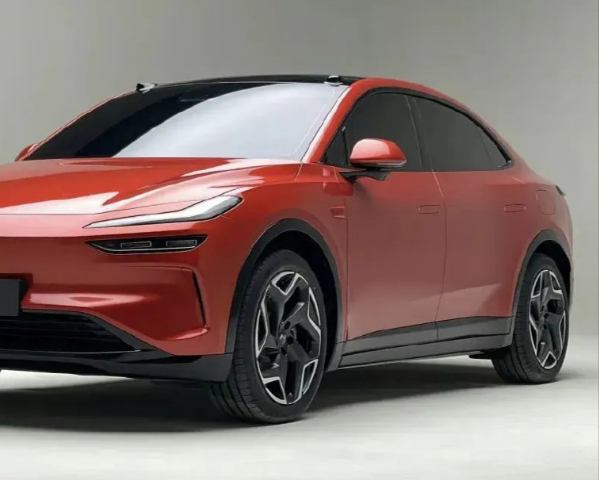
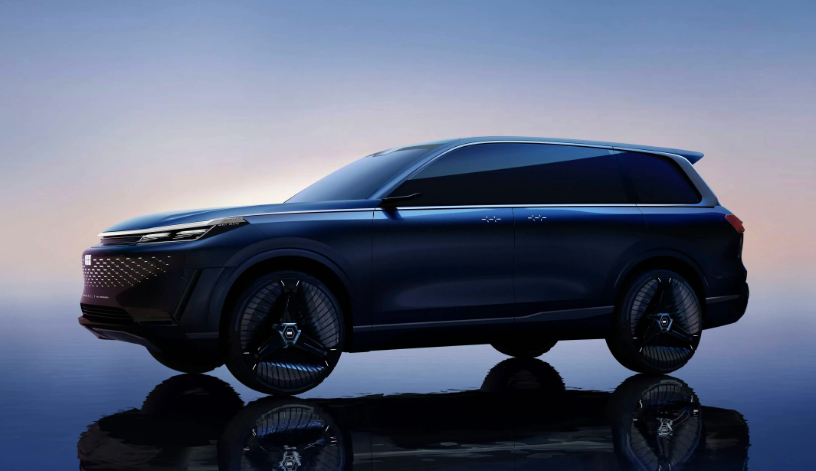
For years, discussions about international vehicle exports have focused almost entirely on dealerships, fleet operators, and large-scale commercial buyers. Yet in 2026, another trend is quietly gaining momentum. More individual consumers are exploring importing cars for personal use as a practical way to access better vehicles, lower prices, and more diverse options than those available in their local markets.
As vehicle export processes become more transparent and logistics networks more efficient, buying a vehicle directly from overseas is no longer limited to industry professionals. Families, first-time buyers, and automotive enthusiasts are increasingly discovering opportunities within China’s rapidly growing used vehicle export market.
For many of these buyers, the goal is simple: obtain a reliable vehicle with strong value retention, modern features, and a competitive purchase price.
Why More Individuals Are Buying Cars Directly from Overseas
The traditional automotive supply chain often includes multiple intermediaries. By the time a vehicle reaches a local showroom, transportation costs, dealer margins, import fees, and inventory expenses have already been added to the final price.
International sourcing offers an alternative.
China’s automotive market is one of the largest in the world, generating substantial volumes of well-maintained used vehicles every year. Combined with rapid vehicle replacement cycles, this creates a steady supply of relatively new vehicles entering the secondary market.
For personal buyers, this often translates into:
- Lower acquisition costs
- Better-equipped trim levels
- Lower mileage vehicles
- Wider model selection
- Access to premium brands at more affordable prices
As a result, affordable family cars from China are becoming increasingly attractive to buyers looking for practical transportation solutions without exceeding their budgets.
The Untapped Opportunity: Pre-Owned ICE Vehicles
Electric vehicles dominate many automotive headlines, but the reality of consumer demand remains far more diverse.
For many households, traditional gasoline-powered vehicles continue to provide the best balance of affordability, convenience, and long-term reliability.
China’s transition toward new energy vehicles has created a unique market situation. As more domestic consumers upgrade to electric models, a growing number of low-mileage pre-owned ICE vehicles are entering the export market.
Many of these vehicles offer:
- Complete maintenance records
- Proven engine reliability
- Familiar repair procedures
- Readily available spare parts
- Competitive purchase prices
For buyers living in regions where public charging infrastructure is still developing, conventional fuel-powered vehicles often remain the most practical transportation choice.
Unlike electric vehicles, ICE models do not require charging stations, charging adapters, or home charging installations. Refueling remains fast, convenient, and universally available.
This combination of accessibility and dependability explains why demand for exported gasoline vehicles remains strong across Africa, the Middle East, Central Asia, South America, and many emerging markets.
EV vs ICE: Which Vehicle Type Fits Your Lifestyle?
Choosing the right vehicle begins with understanding how it will be used on a daily basis.
| Consideration | Pre-Owned Electric Vehicle (EV) | Pre-Owned ICE Vehicle |
|---|---|---|
| Operating Cost | Lower energy costs per kilometer | Generally higher fuel costs |
| Long-Distance Travel | Dependent on charging availability | Ideal for extended road trips |
| Maintenance Requirements | Fewer moving parts but specialized servicing | Simple repairs with globally available mechanics |
| Infrastructure Dependency | Requires charging access | Supported by existing fuel networks |
| Technology Features | Advanced connectivity and digital systems | Traditional and familiar operation |
| Best Suited For | Urban commuting and daily city driving | Families, rural users, and frequent travelers |
Neither option is universally superior. The ideal choice depends on local infrastructure, driving habits, ownership goals, and maintenance preferences.
For buyers considering electric vehicles, understanding electric vehicle battery longevity should be a critical part of the evaluation process. Battery condition reports and State of Health (SOH) assessments provide valuable insights into expected long-term performance.
Key Checks Before Importing a Vehicle
Whether purchasing an EV or an ICE vehicle, due diligence remains essential.
Verify Vehicle History
Request documentation covering:
- Service records
- Accident history
- Ownership records
- Mileage verification
- Inspection reports
Reliable documentation significantly reduces purchasing risks.
Evaluate Spare Parts Availability
Before committing to a purchase, confirm that routine maintenance components can be sourced locally.
This is particularly important for:
- Brake components
- Filters
- Suspension parts
- Electronic modules
- Engine-specific components
Popular international models generally offer stronger aftermarket support and easier maintenance.
Understand Local Import Regulations
Import requirements vary considerably by country.
Buyers should confirm:
- Vehicle age restrictions
- Emission standards
- Registration requirements
- Import duties and taxes
- Compliance certifications
Working with experienced exporters can help simplify these procedures and prevent unexpected costs.
Why Transparency Matters More Than Price
One of the most common mistakes individual buyers make is focusing exclusively on purchase price.
The true value of a vehicle depends on multiple factors, including:
- Mechanical condition
- Future maintenance costs
- Spare parts availability
- Fuel or charging expenses
- Resale value
- Documentation quality
This is why many buyers choose to work with trusted used car exporters that provide detailed inspections, transparent communication, and end-to-end logistics support.
A slightly higher upfront investment in a properly inspected vehicle can often result in substantially lower ownership costs over the long term.
Looking Beyond the Headlines
The international automotive market is changing rapidly. While much of the industry’s attention remains focused on electrification, practical consumer needs continue to drive demand across multiple vehicle categories.
For many individual buyers, the strongest opportunities in 2026 may not come from the newest technology alone. They may come from accessing well-maintained, competitively priced vehicles that match everyday transportation requirements.
China’s export market now offers both possibilities: advanced electric vehicles equipped with modern technology and highly reliable traditional fuel-powered models that continue to deliver outstanding value.
At Used EV China, we support individual buyers as well as commercial customers. While our platform is closely associated with electric mobility, our sourcing network extends far beyond EVs. We help customers access quality electric vehicles, hybrids, and carefully selected pre-owned ICE vehicles, backed by professional inspections, transparent documentation, and international shipping support.
For buyers seeking affordability, reliability, and flexibility, the global used vehicle market has never offered more opportunities than it does today.