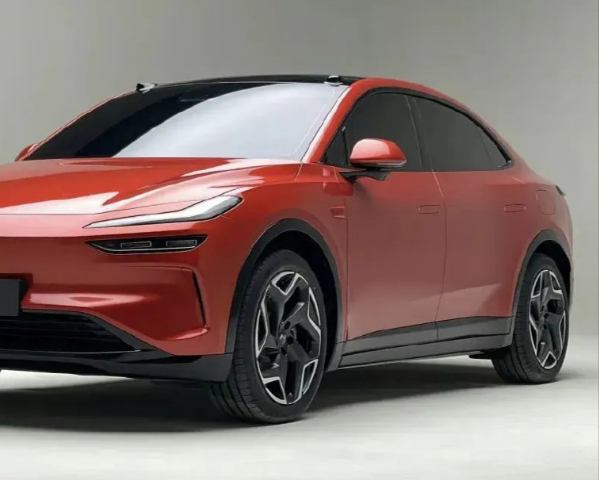
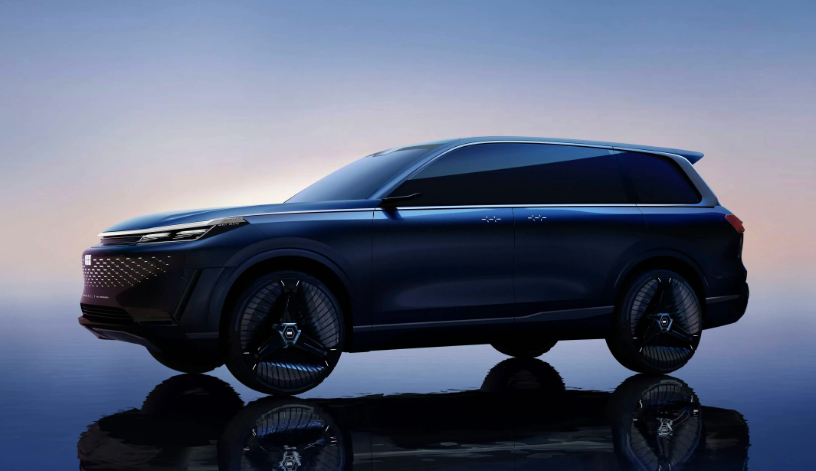
As global demand for affordable electric mobility continues to expand, international vehicle importers are paying closer attention to China’s rapidly growing secondary EV market. For professional automotive traders, fleet operators, and dealership groups, sourcing pre-owned Chinese electric vehicles is no longer simply about finding low acquisition costs—it is about understanding long-term residual value, battery performance, and market suitability.
In 2026, successful B2B buyers are increasingly evaluating used EV inventories through a data-driven lens. Rather than focusing solely on purchase price, they analyze depreciation trends, battery health, software compatibility, and future resale potential to maximize profitability throughout the vehicle lifecycle.
Why Chinese EV Residual Values Follow a Different Pattern
Traditional gasoline-powered vehicles typically follow well-established depreciation models developed over decades of market history. Electric vehicles, however, operate within a different economic framework.
China’s EV industry evolves at an exceptionally fast pace. Continuous improvements in battery technology, charging efficiency, vehicle intelligence systems, and driver assistance functions accelerate product replacement cycles. As a result, many relatively new EVs enter the secondary market earlier than comparable ICE vehicles.
For international buyers, this creates a significant used EV sourcing opportunity. Vehicles that have already absorbed the steepest portion of their depreciation curve can often be acquired at highly competitive prices while still offering modern technology and strong operational performance.
A typical Chinese EV depreciation cycle generally follows three stages:
Initial Ownership Period
Vehicles enter the market with advanced technology packages and competitive OEM pricing. Early adopters drive strong demand during the first ownership cycle.
Domestic Replacement Cycle
Between 12 and 24 months, many consumers upgrade to newer models with longer range, enhanced software capabilities, or improved autonomous driving features. This period often produces the sharpest depreciation.
Secondary Export Window
After approximately three years, depreciation rates begin to stabilize. Vehicles at this stage frequently retain modern battery systems, updated vehicle software, and competitive operating costs, making them attractive for export-oriented procurement.
For many international distributors, this stabilization period represents the optimal balance between acquisition cost and remaining service life.
The Impact of Battery Chemistry on Long-Term Value
When evaluating used electric vehicles, battery technology remains one of the most influential factors affecting future resale performance.
Lithium Iron Phosphate (LFP) Batteries
LFP battery technology has become increasingly popular across China’s mass-market EV segment. These battery systems are widely recognized for:
- Excellent thermal stability
- Long cycle life
- Strong safety characteristics
- Reliable performance in high-temperature environments
Because degradation rates tend to remain relatively low over extended usage periods, LFP-equipped vehicles often demonstrate stable residual value performance, particularly in commercial fleet applications, ride-hailing operations, and urban transportation networks.
Ternary Lithium Batteries (NMC/NCA)
Premium EV models frequently utilize ternary lithium battery systems, including NMC and NCA chemistries.
These batteries typically offer:
- Higher energy density
- Longer driving range
- Better cold-weather performance
- Faster charging capability
However, residual value assessment requires more detailed verification. Historical charging behavior, frequency of DC fast charging, battery management records, and overall battery health become critical evaluation criteria before procurement decisions are made.
For importers targeting colder regions or premium consumer segments, ternary lithium platforms may offer stronger market appeal when supported by verified battery diagnostics.
Identifying High-Potential Export Segments
The Chinese EV market contains thousands of vehicle configurations. Experienced importers generally focus on segments with consistent international demand rather than attempting to source across every category.
Urban Commercial Vehicles
Compact sedans and crossover SUVs delivering real-world ranges between 300 and 450 kilometers continue to perform strongly in secondary export markets.
These vehicles are frequently favored by:
- Rental companies
- Ride-hailing operators
- Urban delivery fleets
- Corporate mobility providers
Their popularity is often supported by lower operating costs, readily available spare parts, and proven durability under intensive usage conditions.
Premium Family SUVs
Another rapidly expanding category includes mid-size and large SUVs equipped with advanced ADAS systems and premium interior features.
Compared with many imported Western alternatives, these vehicles frequently offer:
- Competitive technology packages
- Intelligent cockpit systems
- Enhanced safety features
- Attractive ownership economics
This combination allows dealers in emerging markets to offer premium vehicle experiences at significantly lower retail prices.
Technical Verification: Protecting Import Margins
Successful vehicle sourcing requires far more than visual inspections and marketing photographs.
Professional exporters and procurement teams increasingly rely on comprehensive technical verification procedures before approving any shipment.
Key evaluation areas include:
- Battery State of Health (SOH)
- Cell voltage consistency
- Battery management system diagnostics
- Charging history records
- Vehicle fault-code reports
- Suspension and chassis condition
- Undercarriage impact assessment
- Software and telematics compatibility
Particular attention should be paid to battery pack integrity. Physical damage to protective battery enclosures can create long-term safety concerns and negatively affect future resale value.
Additionally, verifying that onboard communication systems can operate independently of domestic Chinese network subscriptions helps ensure smooth localization after import.
Building a Balanced Procurement Strategy
Although electric vehicles continue gaining market share worldwide, market adoption rates differ significantly across regions.
In countries where charging infrastructure remains underdeveloped, many experienced importers diversify inventory by combining EVs with efficient hybrid and fuel-powered vehicles. This strategy helps reduce exposure to regulatory uncertainty while maintaining flexibility as consumer demand evolves.
A balanced sourcing portfolio enables dealerships to respond quickly to changing market conditions and capture opportunities across multiple customer segments.
At usedevchina.com, we continuously monitor developments across China’s automotive export sector, helping international buyers evaluate both emerging EV platforms and dependable conventional vehicle options. Through verified inventory sourcing and market analysis, we support dealerships, distributors, and fleet operators seeking sustainable long-term growth in the global used vehicle trade.
Conclusion
The international market for pre-owned Chinese electric vehicles has matured into a structured and commercially viable sourcing channel. Buyers who understand EV depreciation trends, battery chemistry, vehicle diagnostics, and regional market demand are better positioned to maximize margins and reduce operational risk.
By prioritizing verified technical data, selecting battery technologies that match local conditions, and maintaining a diversified procurement strategy, automotive businesses can unlock substantial opportunities within the evolving global EV marketplace.