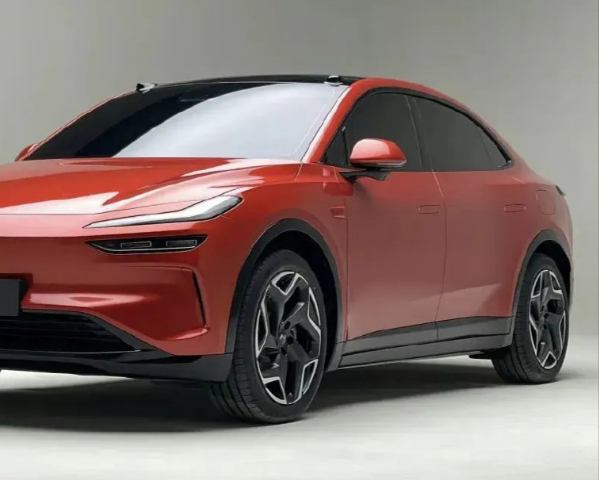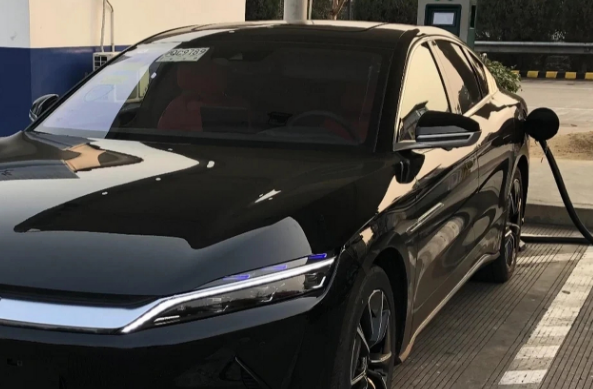
The Rise of the Global Pre-Owned EV Market
The global automotive industry is entering a new phase of electrification. While much of the conversation over the past decade focused on new electric vehicle adoption, attention is now shifting toward a rapidly expanding secondary market.
As millions of first-generation electric vehicles complete their initial ownership cycle, a growing supply of high-quality pre-owned EVs is becoming available worldwide. For consumers, this creates access to affordable electric mobility. For dealerships, fleet operators, and automotive traders, it opens new opportunities for international sourcing and resale.
In 2026, success in the used EV sector depends on more than simply finding vehicles at competitive prices. Buyers must understand battery condition, software compatibility, charging infrastructure, export regulations, and logistics requirements before making purchasing decisions.
The pre-owned EV market is no longer an emerging niche—it is becoming a critical component of the global electric mobility ecosystem.
Why Used Electric Vehicles Are Gaining Popularity
Several factors are accelerating demand for used electric vehicles across international markets.
First, battery technology has proven significantly more durable than many early industry forecasts suggested. Real-world performance data from major EV manufacturers indicates that modern battery packs can retain a large percentage of their original capacity even after years of daily use.
Second, charging infrastructure continues to improve worldwide. Public charging networks are expanding rapidly across North America, Europe, the Middle East, Southeast Asia, and Latin America. Improved accessibility reduces concerns about vehicle usability and increases consumer confidence in purchasing pre-owned EVs.
Third, the selection of available models has grown substantially. Buyers can now choose from:
- Compact city EVs
- Family-oriented electric SUVs
- Premium electric sedans
- Extended-range electric vehicles (EREVs)
- Commercial electric vans
- Fleet-focused transportation solutions
This diversity enables buyers to match vehicle specifications with operational needs while maintaining cost efficiency.
Battery Health: The Most Important Factor When Buying a Used EV
Unlike conventional gasoline vehicles, where engine condition often determines value, the most critical component of a used electric vehicle is its battery pack.
Battery health directly influences:
- Driving range
- Charging performance
- Long-term reliability
- Vehicle resale value
- Total cost of ownership
The industry standard measurement is known as State of Health (SoH).
SoH represents the battery’s remaining usable capacity compared with its original factory specification. For example, a battery retaining 92% capacity generally delivers performance much closer to a new vehicle than one with 75% capacity.
When evaluating inventory, professional buyers typically request detailed battery diagnostics before completing a transaction.
Key indicators include:
Battery State of Health (SoH)
Measures remaining battery capacity and overall degradation.
Charging History
Frequent DC fast charging can increase battery stress compared with slower AC charging under certain conditions.
Battery Cycle Count
Tracks how many full charging cycles the battery has experienced.
Thermal Management System
Vehicles equipped with advanced liquid-cooled battery systems generally demonstrate better long-term durability than models relying on passive cooling methods.
Diagnostic Reports
Comprehensive battery reports provide transparency and reduce purchasing risks for both retail and wholesale buyers.
As battery certification standards become more widely adopted, verified battery health reports are expected to become a standard requirement throughout the global used EV trade.
Understanding Battery Management Systems (BMS)
Modern electric vehicles rely on sophisticated Battery Management Systems (BMS) to monitor and protect battery performance.
A BMS continuously analyzes:
- Cell voltage
- Temperature distribution
- Charging behavior
- Power delivery
- Safety parameters
For international buyers, BMS data serves as a valuable tool for assessing the true condition of a vehicle.
Professional sourcing companies increasingly provide BMS reports alongside vehicle inspection records, creating greater transparency throughout the purchasing process.
As battery technology advances, access to accurate BMS information is becoming one of the strongest indicators of a trustworthy supplier.
Cross-Border EV Export Logistics: What Buyers Need to Know
Purchasing a used electric vehicle from another country involves more than transportation alone.
International EV exports require coordination across multiple areas, including:
Vehicle Inspection and Documentation
Export-ready vehicles should have complete ownership documentation, inspection records, and battery condition reports.
Shipping Methods
Most exported electric vehicles are transported using:
- Roll-on/Roll-off (RoRo) shipping
- Container shipping
- Multi-vehicle consolidated freight
RoRo remains one of the most cost-effective solutions for large-volume vehicle exports.
Battery Transportation Compliance
Because lithium-ion batteries are classified as regulated cargo, international shipping providers follow strict safety procedures for handling and transporting electric vehicles.
Compliance requirements may vary depending on:
- Shipping route
- Port regulations
- Destination country
- Battery capacity
Working with experienced export specialists significantly reduces logistical risks.
Charging Standards and Vehicle Compatibility
One often-overlooked aspect of importing a used EV is charging compatibility.
Different regions utilize different charging standards:
| Region | Common Standard |
|---|---|
| China | GB/T |
| Europe | CCS2 |
| North America | CCS1 / NACS |
| Japan | CHAdeMO |
Before importing a vehicle, buyers should verify:
- Charging connector compatibility
- Onboard charger specifications
- Fast-charging support
- Adapter availability
- Local charging infrastructure
In some cases, certified modifications may be necessary to ensure full compatibility with local charging networks.
Understanding these technical details before purchase helps avoid unexpected costs after importation.
Software Localization: The New Challenge in EV Exports
Unlike traditional vehicles, modern electric cars function as software-driven platforms.
Features often depend on:
- Navigation systems
- Connected services
- Mobile applications
- OTA (Over-The-Air) updates
- Cloud-based vehicle management
As a result, software localization has become an important part of the export process.
Before importing a vehicle, buyers should evaluate:
- Language availability
- Regional software support
- Navigation functionality
- Mobile app compatibility
- Future OTA update access
Vehicles that are properly localized tend to deliver a significantly better ownership experience and maintain stronger resale values.
Different Sourcing Strategies for B2B and B2C Buyers
The requirements of individual consumers and commercial buyers often differ substantially.
B2B Buyers
Dealerships, fleet operators, and automotive distributors typically prioritize:
- Consistent inventory supply
- Wholesale pricing
- Vehicle history transparency
- Export documentation support
- Scalable logistics solutions
- Long-term supplier relationships
These buyers often purchase multiple vehicles simultaneously and require streamlined procurement processes.
B2C Buyers
Individual consumers usually focus on:
- Specific vehicle models
- Battery condition
- Vehicle features
- Import assistance
- Ownership costs
- Long-term reliability
For retail buyers, detailed inspections and transparent reporting are often more important than bulk pricing advantages.
The most effective sourcing platforms are capable of serving both customer groups through tailored services and flexible logistics support.
The Future of the Global Used EV Trade
The international market for pre-owned electric vehicles is expected to continue expanding throughout the remainder of the decade.
Several trends are likely to shape the industry:
- Standardized battery certification systems
- Improved battery diagnostics
- Greater charging interoperability
- More efficient export procedures
- Expansion of global EV infrastructure
- Increased cross-border vehicle trade
As these developments mature, buyers will gain access to greater transparency and lower transaction risks.
For businesses seeking inventory diversification and consumers looking for cost-effective electric mobility, the secondary EV market represents one of the most significant opportunities in the automotive industry today.
Reliable sourcing partners, verified battery health data, and strong export expertise will increasingly determine success in this evolving global marketplace.
Whether purchasing a single electric vehicle or building an international dealership inventory, understanding battery performance, compliance requirements, and logistics planning remains essential for making informed decisions in 2026 and beyond.