As China’s used vehicle export market continues to grow rapidly, international B2B dealerships and individual importers need clear, reliable information to navigate the process successfully. While electric vehicles often dominate headlines, most practical, high-volume exports still center on Internal Combustion Engine (ICE) vehicles and Extended Range Electric Vehicles (EREV). These models align better with existing infrastructure in many destination countries, offering strong performance, lower upfront costs, and proven reliability for global buyers.
This comprehensive guide details the essential technical inspection standards, administrative requirements, and logistics practices for importing used Chinese vehicles. Whether you’re a dealer building inventory or an individual sourcing a specific model, understanding these protocols helps reduce risks and ensures smooth transactions.
FAQ 1: What are the standardized mechanical inspection protocols for used ICE and EREV exports?
Successful cross-border procurement starts with thorough, data-backed inspections. Reputable exporters follow consistent protocols to verify vehicle condition before shipment.
For traditional ICE vehicles, the focus is on mechanical health and long-term durability. Certified technicians use OBD-II scanners to pull complete fault history from the Engine Control Unit (ECU) and Transmission Control Unit (TCU). This digital check reveals any hidden issues that might not appear during a visual inspection.
Key physical checks include:
- Powertrain Diagnostics: Compression testing on each cylinder and detailed analysis of automatic transmission fluid (ATF) for metal shavings — especially important for vehicles with dual-clutch transmissions (DCT).
- Chassis and Structural Integrity: Using ultrasonic paint thickness gauges at critical points (A-pillars, B-pillars, chassis rails) to detect any previous accident repairs or non-factory welds.
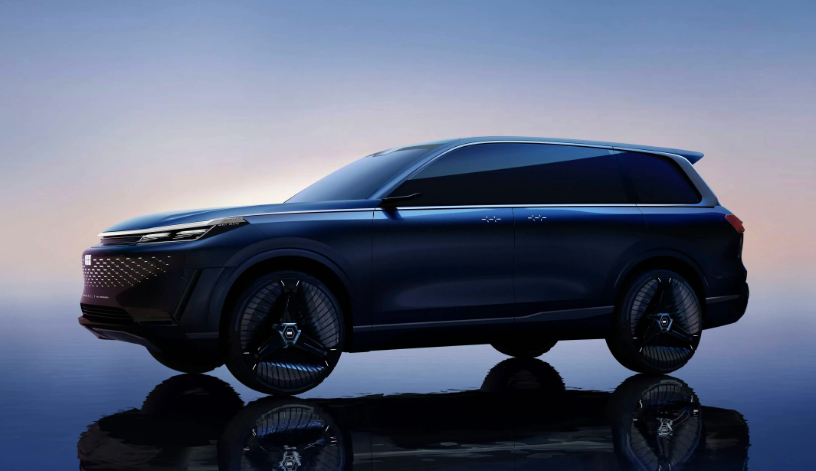
- Suspension and Undercarriage: Checking control arm bushings, shock absorber condition, and air suspension systems on premium models like the Li Auto L9.
For EREV and hybrid models, inspections go further. Technicians evaluate the high-voltage battery pack by checking State of Health (SOH) percentage, cell voltage balance, and the performance of the onboard range extender engine under real load conditions. These steps ensure the vehicle delivers expected efficiency and reliability after export.
FAQ 2: What documentation is required for vehicle deregistration and Chinese customs clearance?
Exporting a used vehicle from China involves strict regulatory steps. The car must be officially removed from the domestic system before it can leave the country.
The standard process usually includes these key stages:
- Title Deregistration: Cancel the vehicle’s registration at the local Vehicle Management Office (VMO). Physical license plates are surrendered, and a temporary transit permit is issued for moving the vehicle to the port.
- Export License Application: The exporter applies for a specialized vehicle export permit through the Ministry of Commerce (MOFCOM). This requires detailed information including the buyer’s details, VIN number, and destination country.
- Customs Declaration: At approved ports such as Tianjin, Shanghai, or Nansha, the customs broker submits the full package: commercial invoice, packing list, export license, and official inspection report.
When all paperwork is complete and the vehicle has a clean record (no unpaid fines or liens), this process typically takes 10 to 15 business days. Working with an experienced partner significantly reduces delays and complications.
FAQ 3: How are maritime logistics and container loading configurations optimized for vehicle exports?
Choosing the right shipping method is crucial for protecting your investment. The two main options are Roll-on/Roll-off (Ro-Ro) vessels and container shipping.
For most B2B importers, 40-foot High Cube containers provide better protection from weather and more predictable delivery schedules compared to Ro-Ro.
Here’s a practical overview of container capacity:
| Vehicle Type | Example Models | 40ft HC Capacity | Loading Method |
|---|---|---|---|
| Compact / Sedans | Geely Emgrand, Chery Arrizo | 3 to 4 units | Diagonal steel racking |
| Mid-Size SUVs | Geely Monjaro, Chery Tiggo 8 Pro | 2 to 3 units | Wheel blocks + heavy lashing |
| Full-Size SUVs (EREV) | Li Auto L9, AITO M9 | 2 units | Floor-level securement only |
For hybrid and EREV models, strict IMDG (International Maritime Dangerous Goods) compliance is mandatory. This includes providing a UN38.3 test report and MSDS for the lithium-ion battery, plus draining fuel tanks to the required minimum level.
FAQ 4: How is international spare parts compatibility verified for Chinese automotive platforms?
Long-term ownership costs depend heavily on parts availability. Modern Chinese export vehicles benefit from highly standardized platforms that improve global serviceability.
Platforms like Geely’s Compact Modular Architecture (CMA) and Chery’s T1X use shared components across many models. Many critical parts — brake pads, filters, sensors, and electronics — come from established global Tier 1 suppliers such as Bosch, Continental, Aisin, and BorgWarner.
When sourcing used vehicles, smart buyers request OEM part numbers for high-consumption items. This makes it easier to source replacements locally through existing automotive networks, reducing dependence on expensive international shipping for routine maintenance.
FAQ 5: Can international buyers source directly through usedevchina.com?
Yes. usedevchina.com serves as both an information hub and a direct procurement partner for used Chinese vehicles.
While we publish extensive market analysis and technical insights — including coverage of the shift toward electrification — our main strength lies in hands-on sourcing and export of high-quality ICE and EREV vehicles that match real-world market needs.
We handle the entire process end-to-end:
- Rigorous OBD-II and mechanical inspections
- Full deregistration and customs clearance
- Optimized container loading and maritime shipping
By working directly with us, international buyers avoid unnecessary middlemen, gain transparent quality documentation, and receive vehicles that meet both technical standards and local regulatory requirements.
Our focus remains on delivering reliable, well-maintained vehicles with clear service histories, competitive pricing, and full support throughout the export journey. Whether you need a single vehicle or want to establish a steady supply chain, usedevchina.com provides a professional, transparent solution for sourcing quality used vehicles from China.
Ready to explore current inventory or discuss your specific requirements? Visit usedevchina.com today and discover how straightforward importing high-quality Chinese vehicles can be.