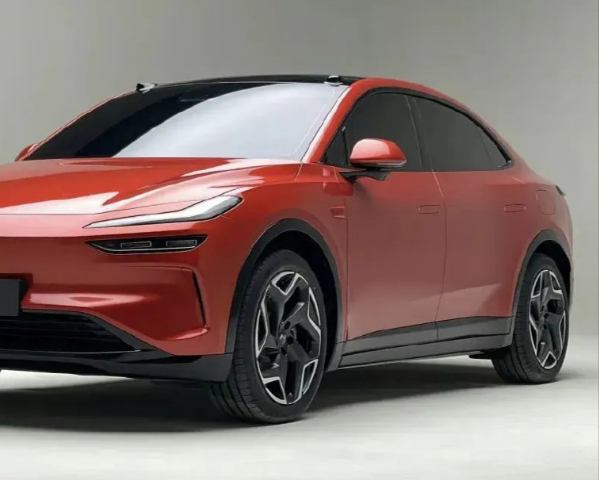
While the world’s attention stays fixated on electric vehicles, a different segment of the automotive industry is quietly thriving: Chinese used fuel cars. For buyers in Africa, the Middle East, Central Asia, South America, and Southeast Asia, internal combustion engine vehicles remain not just relevant — they’re often the only practical choice.
Governments may push electrification, but infrastructure realities on the ground tell a different story. In many emerging markets, reliable charging stations are scarce, electricity grids are unstable, and long-distance travel demands vehicles that can be refueled quickly and repaired locally. This is exactly why demand for quality used gasoline and diesel cars from China continues to surge.
The Gap Between EV Hype and Real-World Needs
In Europe and North America, EV adoption makes headlines. But travel just a few thousand kilometers south or east, and the picture changes completely. Many countries still lack the charging networks, stable power supply, and economic conditions needed to make electric vehicles a daily driver solution.
For fleet operators, taxi companies, logistics businesses, and individual buyers in these regions, used fuel cars from China offer the perfect balance of reliability, affordability, and modern features. These vehicles typically come with relatively low mileage, current model years, and better equipment levels than older imports from traditional markets.
Massive Supply = Competitive Prices
China produces and registers more passenger vehicles than any other country. This creates an enormous used car market where people upgrade frequently. As a result, exporters have access to a steady flow of well-maintained vehicles entering the secondary market.
This abundant supply translates into real pricing advantages for international buyers. Compared to sourcing used cars from Japan, Korea, or Europe, Chinese used fuel vehicles often deliver newer models, better specifications, and stronger value at significantly lower landed costs.
Dealerships and importers particularly benefit from this. They can build larger inventory without tying up excessive capital, maintain healthy profit margins, and offer customers newer vehicles with modern safety features like ABS, airbags, reverse cameras, and fuel-efficient engines — all at prices that feel accessible in local markets.
Quality Has Improved Dramatically
Ten years ago, many overseas buyers approached Chinese vehicles with understandable caution. That era is largely behind us.
Chinese auto manufacturing has advanced rapidly. Both domestic brands and international joint ventures now produce vehicles with sophisticated engineering, improved durability, and competitive technology. Export-focused suppliers have also professionalized their operations significantly.
Most reputable exporters now perform comprehensive pre-export inspections covering:
- Engine and transmission health
- Chassis and frame condition
- Brake and suspension systems
- Electrical and electronic systems
- Accident history and flood damage checks
- Mileage verification and service records
This increased transparency and quality control has helped build growing confidence among international importers. Many buyers who started with small test orders are now placing regular, larger shipments.
Logistics and Export Processes Keep Getting Easier
Shipping used vehicles from China has become much more streamlined in recent years. Professional export platforms now offer flexible options including:
- Container shipping for smaller quantities
- Ro-Ro (Roll-on/Roll-off) for bulk orders
- Full documentation support
- Customs clearance assistance
This efficiency matters. Whether you’re an individual buyer importing one reliable daily driver or a dealership bringing in 20-50 vehicles per month, the process has become far less intimidating than it was previously.
Why Fuel Cars Will Remain Relevant for Years
The transition to electric vehicles will continue, but it won’t be uniform across the globe. Different regions move at different speeds based on infrastructure, economics, and geography.
Used fuel cars still offer clear advantages in many markets:
- Quick refueling (minutes instead of hours)
- Lower purchase prices
- Easier and cheaper maintenance
- Better performance in extreme temperatures and rough road conditions
- Proven long-distance capability
For many business owners and families in developing economies, these practical benefits outweigh the environmental appeal of EVs for now.
The Growing Opportunity for Smart Importers
China has positioned itself as a major player in the global used vehicle trade. The combination of scale, improving quality standards, competitive pricing, and better export infrastructure creates a compelling proposition for international buyers.
Businesses that understand this trend early have an advantage. Whether you operate a dealership, manage a fleet, or simply want to import quality vehicles for personal or commercial use, the Chinese used car market offers realistic opportunities in 2026 and beyond.
Looking to source reliable Chinese used fuel vehicles?
Platforms like UseDevChina specialize in connecting international buyers with trusted suppliers and professional export services. They help simplify the process from vehicle selection to final delivery.
If you’re exploring opportunities in the Chinese used car export market, now is a good time to start building relationships with reliable partners.