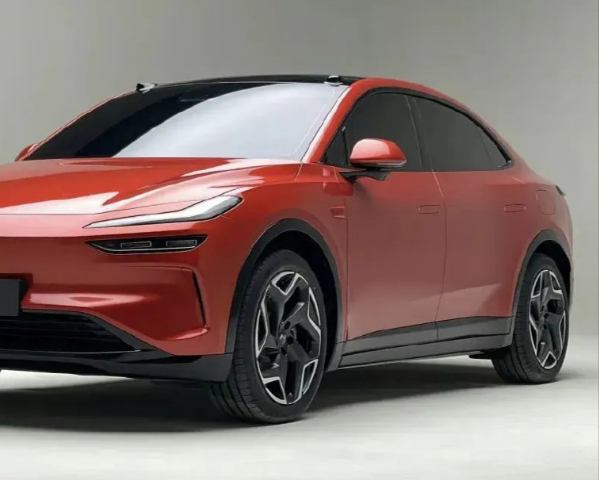
In 2026, the global used car market is experiencing a major transformation, with China emerging as a powerhouse for premium, low-mileage vehicles—especially electric ones. As a B2B buyer—whether you’re running a dealership, managing a fleet, or building an import business—sourcing used cars from China offers incredible opportunities for margin. But it’s not as simple as finding low prices online. Success depends on understanding quality signals, navigating regulations, and partnering with reliable suppliers.
I’ve seen too many businesses jump in without proper preparation and face customs delays, battery issues, or vehicles that don’t meet local standards. This guide draws from real-world sourcing experiences to help you build a sustainable pipeline.
Why Chinese Used Vehicles, Especially EVs, Dominate International Attention Right Now
China’s domestic market moves at lightning speed. Consumers upgrade frequently, often every 1-3 years, flooding the secondary market with nearly new cars. For EVs, this is even more pronounced. Brands like BYD, NIO, XPeng, and Tesla’s Shanghai-made models come with advanced battery tech, intelligent features, and software that many Western markets are still catching up to.
The cost arbitrage is real. Intense competition among Chinese OEMs has driven down prices significantly. A well-maintained used EV that might sell for a premium abroad can be acquired at a fraction of the cost here. Plus, with global push toward electrification, these vehicles align perfectly with sustainability goals in many regions.
However, not all inventory is equal. Focus on vehicles from rental fleets, OEM trade-ins, or large dealer networks—these tend to have better maintenance records.
Key Quality Checks Every Professional Buyer Should Demand
When buying in volume, treat quality control like your top priority. Start with battery health for EVs, as it’s the biggest long-term cost factor.
Battery State of Health (SOH): Insist on detailed diagnostic reports showing SOH at 90% or higher. Don’t settle for vague promises. Good suppliers provide cell voltage balancing data to confirm no weak cells exist that could fail prematurely.
Software and Localization: Many cars come optimized for Chinese networks. Ask about OTA update capabilities to switch to English or your local language, and compatibility with destination apps. For charging, understand GB/T to CCS2 conversions—reliable partners offer tested adapters or hardware solutions that comply with your country’s rules.
Structural and History Verification: Always require third-party inspections (SGS or equivalent). Check for accident history, flood damage, or frame issues. Mileage should match service records.
These steps separate serious suppliers from brokers who disappear after the sale.
Compliance and Export Regulations: Avoiding Costly Pitfalls in 2026
China tightened rules around used car exports, particularly the 180-day registration requirement to prevent “zero-km” new cars being sold as used. As of 2026, vehicles need proper documentation, and near-new ones may require manufacturer after-sales confirmation for certain markets.
Key requirements include:
- Working with MOFCOM-licensed exporters only.
- Proper VIN deregistration from Chinese systems.
- Destination-specific homologation: lighting, emissions, steering side conversions where needed.
A strong partner handles much of this proactively. They prepare paperwork in advance and advise on regional differences—whether you’re importing to Europe, Africa, Southeast Asia, or elsewhere.
How to Evaluate and Choose the Right Sourcing Partner
The market has many players claiming expertise. Use this checklist:
- Source Access: Do they connect directly with fleets and dealers, or just resell?
- Logistics Expertise: Preference for Ro-Ro shipping for bulk to control costs. Ask about container options for smaller orders.
- After-Sales Support: Can they supply OEM parts reliably? This is crucial for your warranty programs.
- Transparency: References, past shipment proofs, and clear quality processes.
Building a long-term relationship here beats one-off deals.
Sourcing used cars from China in 2026 isn’t just about price—it’s about creating a resilient supply chain. By focusing on quality, compliance, and partnership, B2B buyers can secure high-margin inventory that stands out locally. If you’re ready to explore options tailored to your market, reach out to our team at usedevchina.com. We’re here to bridge the gap to reliable Chinese vehicle sources.