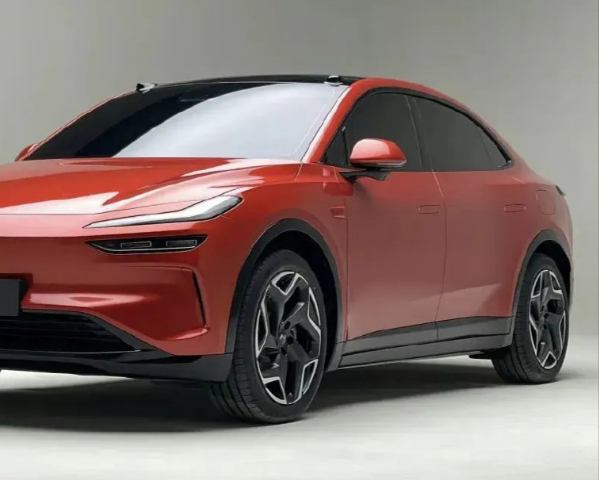
The secondary market for battery-electric vehicles is undergoing a profound structural shift. As early commercial and consumer EV fleets mature, automotive markets worldwide are experiencing a massive influx of pre-owned electric cars. For global buyers, importers, and automotive entrepreneurs, understanding the dynamics of used electric vehicle transactions has transitioned from a niche interest to a primary economic strategy. This comprehensive overview examines current valuation benchmarks, battery health evaluation standards, and sourcing logistics shaping the pre-owned EV ecosystem.
The Evolution of Pre-Owned EV Supply Chains
Over the past several years, the automotive manufacturing landscape has achieved unprecedented scale, particularly in electric mobility. High-volume production cycles from leading EV manufacturers have accelerated vehicle depreciation timelines, creating a robust secondary inventory. Unlike traditional internal combustion engine vehicles, electric cars present unique valuation challenges and opportunities. Buyers no longer evaluate a vehicle solely by its mileage and transmission wear; instead, battery state of health, thermal management history, and integrated software update compatibility dictate market value.
This shift in consumer priorities requires a modern approach to automotive data transparency. When sourcing vehicles from key manufacturing hubs, such as major electric vehicle export centers in Asia, importers must rely on verified diagnostic reports rather than superficial cosmetic inspections. Transparency in battery degradation metrics ensures sustainable long-term asset value and builds essential consumer trust in emerging markets. When evaluating inventory, industry professionals must pay close attention to verified battery diagnostic data to avoid unexpected post-purchase liabilities. Furthermore, supply chain resilience depends on establishing direct partnerships with certified automotive exporters who adhere to rigorous international quality standards.
Key Valuation Metrics for Used Electric Cars
Establishing an accurate valuation framework for a pre-owned electric vehicle involves analyzing three core pillars: battery capacity retention, charging infrastructure compatibility, and auxiliary system efficiency.
Battery State of Health remains the single most critical factor in determining resale value. Advanced diagnostic tools now allow technicians to measure remaining kilowatt-hour capacity with pinpoint accuracy. A vehicle retaining over eighty-five percent of its original battery capacity after four years of operation typically commands a premium in the secondary market. Furthermore, buyers actively monitor whether a vehicle supports high-power direct-current fast charging without experiencing severe thermal throttling, as this directly impacts daily usability. To protect profit margins, dealers should always verify kilowatt-hour capacity retention rates before finalizing purchase orders.
Software longevity and infotainment architecture also influence pricing. Modern electric vehicles function essentially as computers on wheels. Vehicles equipped with over-the-air update capabilities maintain higher market desirability because their driver-assistance suites and energy management algorithms can be upgraded long after initial purchase. Consequently, depreciation curves for software-defined vehicles differ significantly from legacy automotive models. Market analysts emphasize that over-the-air update compatibility is becoming a decisive factor for tech-savvy second-hand buyers.
Sourcing Strategies for International Importers
For businesses engaged in cross-border automotive trade, securing a reliable supply of high-quality pre-owned electric vehicles requires rigorous supplier vetting. Navigating export regulations, customs clearance procedures, and international freight logistics demands specialized industry expertise.
When establishing procurement channels, international buyers should prioritize suppliers who provide comprehensive vehicle history reports, certified independent inspection documents, and transparent export documentation. Establishing direct communication with verified automotive exporters reduces intermediary costs and mitigates logistical risks. Additionally, understanding regional regulatory compliance—such as local import tariffs, homologation standards, and safety certification requirements—ensures seamless market entry. Importers are strongly advised to secure comprehensive vehicle history reports prior to initiating international wire transfers. Moreover, logistical planning must account for hazardous materials shipping regulations applicable to lithium-ion battery transport across maritime routes.
Analyzing Consumer Demand and Regional Preferences
Market adoption rates for pre-owned electric vehicles vary considerably across different geographical regions. While urban centers with dense charging networks experience rapid turnover for compact city EVs, suburban and rural markets lean toward long-range crossovers and utility vehicles. Understanding these regional nuances allows automotive retailers to tailor their inventory acquisition strategies effectively.
Consumer preferences also reflect shifting economic incentives. Subsidy phase-outs in various jurisdictions have driven cost-conscious buyers toward the pre-owned market, making affordability and maintenance predictability key selling points. Retailers who successfully highlight total cost of ownership benefits compared to traditional fuel vehicles capture a larger share of value-driven consumers. Additionally, providing transparent financing options and extended warranty programs specifically tailored for electric powertrains significantly enhances consumer confidence.
Overcoming Logistics and Inspection Challenges in Global Trade
Executing seamless cross-border transactions requires anticipating potential operational bottlenecks. From port congestion to specialized container booking for electric vehicles, international traders must maintain agile logistical frameworks. Establishing clear protocols for third-party pre-shipment inspections minimizes disputes between buyers and sellers regarding vehicle conditions. Retailers should insist on independent third-party pre-shipment inspections to verify body condition, interior electronics, and suspension components before cargo dispatch. Effective risk management also involves understanding customs clearance procedures for lithium-ion powered automobiles to prevent costly border delays.
Future Outlook and Market Sustainability
The long-term viability of the global used electric vehicle market depends heavily on standardized recycling protocols, second-life energy storage applications, and continuous improvement in battery durability. As recycling technologies advance, the residual value of older battery packs will stabilize, further reducing ownership risks for secondary buyers.
Industry stakeholders must continue to champion data transparency, robust certification standards, and efficient cross-border trade mechanisms. By aligning procurement strategies with emerging technological benchmarks, global automotive professionals can capitalize on the expanding demand for sustainable mobility solutions. Keeping abreast of battery recycling technological breakthroughs will provide forward-thinking businesses with a distinct competitive advantage in the evolving global marketplace.