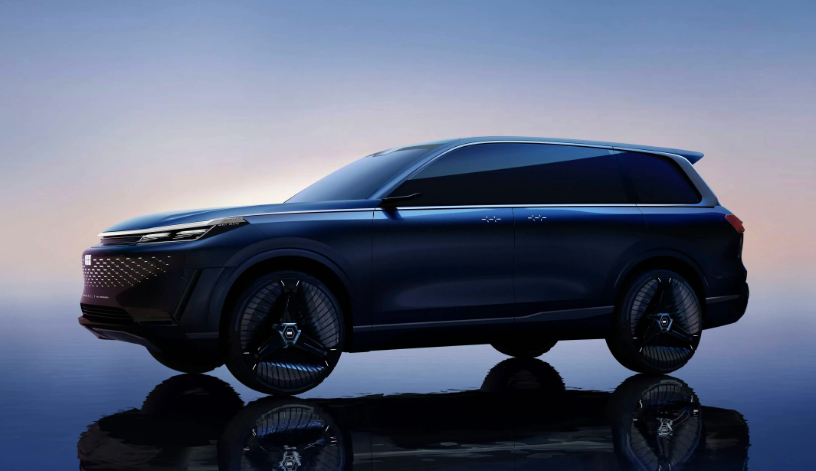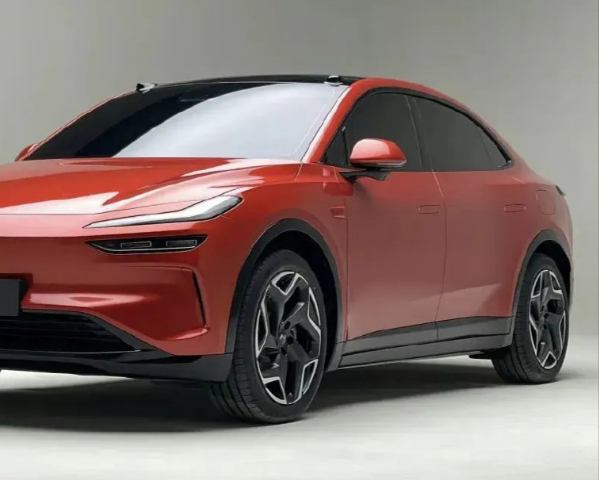
The global playbook for sourcing used inventory is being rewritten. For dealerships and fleet operators who have spent years relying on traditional markets, the shift toward China as a core supplier is impossible to ignore. The data from early 2026 confirms what industry insiders have suspected: this isn’t a temporary spike; it’s a structural change.
In just the first five months of this year, China pushed out over 160,000 used vehicles, with pure electrics and plug-in hybrids making up more than 65% of that volume. If the current pace holds, the country is on track to smash the 400,000 mark by year’s end—a number that would have seemed fanciful just three years ago. This surge isn’t accidental. It’s driven by a hyper-competitive domestic EV market, incredibly rapid model turnover, and a logistics network that now makes sourcing a car from Chengdu or Ningbo as streamlined as picking one up in Berlin or Dubai.
More telling than the volume is the repeat business. Importers in Jordan, Thailand, Uzbekistan, Belgium, and Brazil aren’t just placing trial orders anymore; they are putting Chinese inventory at the center of their lots.
Beyond the Price Tag: Why Buyers Are Staying
Price gets the foot in the door, but it doesn’t keep the customer. A well-maintained, two-year-old electric SUV from a top-tier Chinese brand can still land 40–50% cheaper than a comparable European model, even after shipping and duties. However, three specific factors are converting skeptics into regular buyers.
First, the anxiety around battery life is fading. The widespread adoption of LFP battery chemistry in Chinese models has been a game-changer. These cells often endure 3,000 to 5,000 full cycles before dropping to 80% capacity. Real-world telemetry from fleets shows that most Chinese EVs aged two to three years still retain a State of Health (SOH) above 92%. That durability fundamentally alters the risk calculation for importers who previously viewed used electric drivetrains as a gamble.
Second, the specification sheets are brutal for the competition. Even mid-range Chinese EVs roll off the line with massive screens, OTA update capability, 360-degree cameras, and ADAS features that many European and Japanese brands reserve for their flagship trims. When a buyer sits in a used BYD Atto 3 or NIO ES6, the feature set often outstrips the mileage on the odometer.
Third, the variety is exploding. Digital export platforms have opened the floodgates. Buyers aren’t limited to a few sedans; they can now source city runabouts, compact crossovers, seven-seat SUVs, and premium electric MPVs, all with verifiable histories.
The Nameplates Dominating Shipping Manifests
While market tastes fluctuate, a few models have emerged as the backbone of the export trade:
- BYD Atto 3: The compact crossover staple, moving fast in Southeast Asia and the Middle East.
- BYD Han: A full-size sedan gaining traction with European buyers looking for a Tesla Model 3 alternative at a lower price point.
- NIO ES6 / EC6: Mid-size SUVs with swappable battery support, attracting interest in markets building out swap infrastructure.
- Wuling Hongguang MINI EV: The ultra-compact solution for urban delivery and short-distance mobility in Latin America and Africa.
- ZEEKR 001: A performance-oriented shooting brake that is turning heads in the Gulf and Eastern Europe.
- Li Auto L9: A large plug-in hybrid SUV increasingly favored for family transport.
Our data indicates a distinct pivot in Europe: buyers are moving beyond sedans and aggressively stockpiling used electric SUVs like the BYD Tang and NIO ES8 to meet suburban demand.
Trust Is Now Verified, Not Promised
The opacity that once plagued cross-border used EV trading is disappearing. The industry is coalescing around a new standard: the 203-point inspection. This is rapidly becoming the baseline for any export-ready vehicle leaving China, covering structural integrity, battery SOH, motor performance, high-voltage safety, and software diagnostics.
Major export hubs are now equipped with dedicated inspection bays where overseas buyers—or their agents—can watch live video walkthroughs. The reports generated are increasingly indistinguishable from those issued by European assessment networks, featuring millimeter-level paint readings and thermal imaging of battery packs. Regulatory changes are helping this along; China’s Ministry of Commerce has tightened export licensing for used vehicles, effectively raising the quality floor and making compliance-first channels easier to spot.
From Market Research to Container Booking
The timeline between research and acquisition has collapsed. Specialized platforms now allow buyers to filter inventory by destination country, battery type, mileage cap, and HS code instantly. Some even provide instant CIF quotes for major shipping lanes.
While our goal is to provide actionable market intelligence, we also bridge the gap to actual inventory. You can move from analyzing a trend to browsing export-ready vehicles in the same interface. That direct link between data and stock is critical when prices and availability shift weekly.
What the Rest of 2026 Holds
Three trends will define the second half of the year. First, sustainability regulations—specifically battery passport pilots in the EU—will make lifecycle data a premium asset. Exporters who can provide manufacturing history and repair records will win out. Second, as volume grows, freight consolidation is becoming more efficient, driving down per-unit logistics costs. Third, Chinese brands are expanding certified pre-owned programs into export markets, creating a formal two-tier system of factory-backed versus independent inventory.
For international buyers, the strategy is clear. Focus on models with strong local service networks, verify battery health through independent reports, and partner with suppliers who offer impeccable documentation. Treating due diligence as a fixed process, rather than a one-time formality, is the key to leveraging China’s expanding EV pipeline.