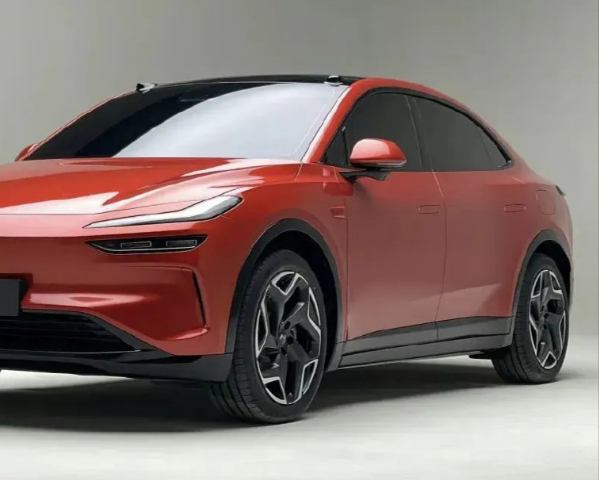
The global automotive industry is undergoing one of the most significant transformations in decades. As electrification accelerates across different regions, more dealerships, fleet operators, and mobility companies are exploring China as a strategic sourcing destination for electric vehicles.
China’s mature EV manufacturing ecosystem, large-scale production capacity, and competitive supply chain advantages have created new opportunities for international buyers. However, purchasing vehicles internationally is far more complex than traditional domestic procurement. Successful B2B sourcing requires careful evaluation of regulatory compliance, vehicle quality, battery condition, shipping procedures, and after-sales support.
For companies entering the global EV trade, understanding the complete procurement process is essential. From supplier verification to customs clearance, every stage can directly impact profitability and long-term business sustainability.
What Compliance Requirements Should Importers Consider When Buying EVs from China?
Before placing a wholesale order, international buyers must ensure that vehicles meet the regulatory requirements of their destination markets.
Different regions have different certification frameworks. For example, European markets may require compliance with UNECE vehicle regulations, while countries in the Middle East, Southeast Asia, and Latin America often follow their own homologation procedures.
Professional importers should verify several key documents before shipment, including:
- Vehicle certification records
- Safety compliance documents
- Emission and environmental reports
- Electromagnetic compatibility (EMC) testing information
- Vehicle identification and registration history
A reliable supplier should provide complete documentation packages before commercial agreements are finalized. This helps prevent unexpected delays during customs inspection and ensures vehicles can be legally registered after arrival.
For international dealers, regulatory preparation is not only a compliance requirement but also an important factor in maintaining customer confidence.
How Can Buyers Verify EV Battery Quality Before Bulk Purchase?
Battery condition is one of the most important factors when evaluating used and pre-owned EV inventory. Unlike traditional vehicles, where engine mileage is often the primary measurement, electric vehicles require deeper technical analysis.
Professional exporters use State of Health (SoH) diagnostic testing to evaluate battery capacity, degradation level, charging history, and overall performance.
A complete battery assessment usually includes:
- Remaining battery capacity analysis
- Cell consistency evaluation
- Charging cycle records
- Thermal management performance
- Previous operating conditions
Modern Battery Management Systems (BMS) provide additional transparency by recording important battery information during vehicle operation. These digital records allow buyers to identify abnormal charging patterns, excessive thermal exposure, or potential battery-related risks.
For fleet operators purchasing dozens or hundreds of vehicles, standardized battery inspection procedures are essential for reducing financial risk and ensuring consistent inventory quality.
What Shipping Methods Are Available for International EV Export?
International EV transportation requires specialized logistics planning due to the unique characteristics of lithium-ion battery-powered vehicles.
The two most common shipping solutions are Roll-on/Roll-off (RoRo) vessels and containerized transportation.
RoRo shipping is widely used for large-volume vehicle exports because vehicles can be driven directly onto specialized carrier vessels. This approach reduces handling procedures and is generally suitable for fleet orders or dealership inventory purchases.
Container shipping provides additional protection and flexibility, especially for smaller quantities, premium vehicles, or markets requiring additional security measures.
During transportation planning, buyers should consider:
- International shipping regulations
- Battery safety requirements
- Port handling procedures
- Customs documentation
- Inland transportation after arrival
Professional logistics coordination helps prevent unnecessary delays and ensures vehicles arrive in optimal condition.
How Do Warranty and Spare Parts Support Work for Imported EVs?
After-sales support is a major consideration for B2B buyers. A successful EV import business requires more than simply purchasing vehicles—it requires a reliable long-term service ecosystem.
Before completing a procurement agreement, buyers should confirm:
- Warranty coverage terms
- Transferability of manufacturer warranties
- Availability of replacement components
- Technical support channels
- Software maintenance capabilities
Reliable suppliers typically provide access to important components, including powertrain modules, charging systems, inverter components, and electronic control units.
For dealerships and fleet companies, establishing a dependable spare parts supply chain reduces vehicle downtime and improves customer satisfaction.
Can Imported EVs Be Customized for Different Regional Markets?
Different countries often have different requirements regarding vehicle software, charging infrastructure, and customer preferences.
B2B buyers may request customization options such as:
- Language localization for infotainment systems
- Regional navigation integration
- Charging port compatibility adjustments
- Interior configuration changes
- Additional accessories before shipment
For example, EV charging standards vary across markets, including GB/T, CCS1, and CCS2 systems. Ensuring compatibility before delivery prevents costly modifications after vehicles arrive.
Large-volume buyers may also negotiate factory-level customization depending on order quantities and supplier capabilities.
What Payment Methods Are Common in International EV Procurement?
Cross-border automotive transactions usually involve structured payment systems designed to protect both buyers and suppliers.
Common payment methods include:
- Telegraphic Transfer (T/T) arrangements
- Letters of Credit (LC)
- Milestone-based payment schedules
A typical commercial process may include an initial deposit after contract confirmation, followed by remaining payment after inspection approval before shipment.
Buyers should also calculate additional costs, including:
- Import duties
- VAT or local taxes
- Port handling charges
- Transportation expenses
- Registration fees
A complete cost analysis helps businesses accurately estimate profit margins before entering a new market.
How Can Businesses Build a Reliable EV Sourcing Strategy?
Successful international EV procurement depends on transparency, technical verification, and long-term supplier relationships.
Companies entering this market should focus on several core principles:
Supplier Verification
Work with experienced exporters that can provide transparent vehicle information and documentation.
Quality Inspection
Implement standardized inspection procedures covering battery systems, vehicle structure, software, and mechanical components.
Market Adaptation
Understand local regulations, charging infrastructure, and customer expectations before importing vehicles.
Long-Term Partnership Development
A reliable supplier should support not only initial purchases but also future inventory expansion, spare parts availability, and technical cooperation.
As global demand for electric mobility continues to grow, sourcing EVs from China is becoming an increasingly important strategy for international automotive businesses. With proper evaluation procedures and professional supply chain management, companies can access competitive inventory while reducing operational risks.
The future of automotive trade will not only depend on producing more electric vehicles but also on creating efficient global channels that connect manufacturers, distributors, and consumers.