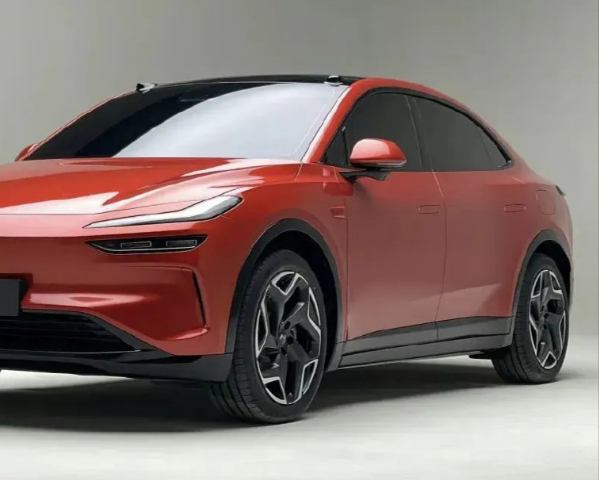
The global automotive industry is experiencing a fundamental shift. For decades, vehicle ownership decisions were primarily driven by factors such as engine reliability, fuel efficiency, and brand reputation. However, the rapid development of electric mobility has introduced a completely new evaluation system. Battery condition, software capability, charging compatibility, and digital history are now becoming equally important factors when assessing vehicle value.
In 2026, the market for used electric vehicles is entering a more mature stage. What was once considered a risky alternative is increasingly becoming a practical choice for consumers, dealerships, and fleet operators worldwide. Advances in battery technology, vehicle diagnostics, and international supply chains have significantly improved confidence in pre-owned EV transactions.
China, as one of the world’s largest electric vehicle manufacturing centers, has played a major role in this transformation. The rapid expansion of EV production has created a large supply of relatively new, technology-rich vehicles entering secondary markets. As a result, Chinese EV market trends are now influencing not only domestic consumption but also global automotive trade.
Battery Technology Is Redefining Used EV Value
Battery performance remains the most important consideration for anyone purchasing a pre-owned electric vehicle. In the early years of EV adoption, concerns about battery degradation and replacement costs created uncertainty among buyers. Today, those concerns are gradually being replaced by data-driven evaluation methods.
Modern battery systems, including Lithium Iron Phosphate (LFP) and Nickel Manganese Cobalt (NMC) technologies, have demonstrated strong durability under real-world conditions. Many EV batteries are designed to maintain a significant percentage of their original capacity after years of operation, especially when supported by advanced thermal management and intelligent charging systems.
Another important development is the improvement of Battery Management System (BMS) technology. These systems continuously monitor battery temperature, charging cycles, voltage balance, and overall performance. For used EV buyers, access to battery diagnostic reports and State of Health (SoH) data provides a clearer understanding of a vehicle’s remaining lifespan.
This shift from mileage-based evaluation to condition-based assessment has changed how buyers measure value. Instead of simply asking how old a vehicle is, professional buyers now focus on measurable battery performance, maintenance history, and operational reliability.
Software-Defined Vehicles Are Changing Depreciation Patterns
Unlike traditional combustion vehicles, modern EVs are increasingly defined by software. The vehicle is no longer just a mechanical product; it is a connected digital platform that can improve over time through updates and remote services.
Through Over-The-Air (OTA) updates, many electric vehicles can receive improvements in navigation systems, driver assistance functions, energy management, and user interfaces even years after production. This capability helps reduce the traditional perception that older vehicles quickly become outdated.
For secondary market buyers, this creates a unique advantage. A two- or three-year-old EV may still provide advanced digital features comparable to newer models while being available at a significantly lower purchase price.
This software-driven ownership experience is one reason why the depreciation curve of EVs is evolving differently from traditional vehicles. The value of a used electric car is increasingly connected to software support, battery condition, and upgrade capability rather than age alone.
Why Chinese Used EVs Are Becoming Global Export Opportunities
The international demand for pre-owned electric vehicles has expanded rapidly as more countries accelerate their transition toward sustainable transportation. Markets in Southeast Asia, the Middle East, Latin America, and parts of Europe are actively searching for affordable and reliable electric mobility solutions.
China’s large-scale EV manufacturing ecosystem has created a strong supply advantage. Over the past several years, Chinese manufacturers have produced millions of electric vehicles featuring competitive battery technology, smart cockpit systems, and advanced driving assistance features.
As more vehicles enter the secondary market, electric vehicle export channels are becoming increasingly important. Professional exporters and automotive platforms help international buyers overcome challenges related to inspection, customs documentation, transportation, and local regulations.
For businesses purchasing vehicles internationally, working with experienced suppliers can reduce risks by providing verified vehicle histories, technical inspection reports, and compliance support. Platforms specializing in global EV trade, such as UsedEVChina, help connect overseas buyers with available inventory while improving transparency throughout the transaction process.
The Financial Benefits of Buying a Pre-Owned EV
The economic advantages of purchasing a used electric vehicle go beyond the initial purchase price. One of the biggest benefits is avoiding the steep depreciation that occurs during the first years of vehicle ownership.
Compared with traditional internal combustion vehicles, EVs generally have fewer mechanical components requiring regular maintenance. Electric motors eliminate many conventional service requirements, including oil changes, transmission maintenance, and frequent engine-related repairs.
Additionally, regenerative braking systems reduce brake wear, while electricity costs are often lower than gasoline expenses depending on regional energy prices. When combined with government incentives, reduced operating expenses, and lower maintenance requirements, the overall Total Cost of Ownership (TCO) of a pre-owned EV can be highly competitive.
For commercial fleets and automotive dealers, these cost advantages create new opportunities to improve operational efficiency while meeting sustainability goals.
How to Evaluate a Used Electric Vehicle Before Purchase
Although EV technology has become more reliable, buyers should still perform a comprehensive evaluation before completing a transaction. A professional inspection process should include several critical areas:
Battery Health Assessment
The battery should be evaluated through diagnostic tools that measure State of Health (SoH), charging history, temperature exposure, and degradation levels.
Charging Compatibility Verification
Buyers should confirm whether the vehicle supports local charging standards and whether additional adapters or modifications are required.
Vehicle History Review
Maintenance records, accident history, ownership records, and previous operating conditions should be carefully reviewed.
Software and Electronic System Checks
Modern EVs rely heavily on electronic control units and software platforms. Ensuring that systems operate correctly is essential for long-term reliability.
For professional buyers, especially international dealers, a standardized inspection process can significantly reduce purchasing risks and improve customer confidence.
The Future of the Global Used EV Market
The pre-owned electric vehicle market has moved beyond its early experimental stage. It is becoming an important component of the global automotive ecosystem, supported by better battery technology, improved transparency, and expanding international trade networks.
As EV adoption continues worldwide, the availability of high-quality used electric vehicles will continue to increase. Buyers are no longer choosing between expensive new technology and outdated used vehicles. Instead, they are gaining access to advanced electric mobility solutions at more accessible prices.
For businesses, fleet operators, and individual consumers, understanding battery performance, software capability, and international sourcing channels will be essential in navigating the next stage of electric transportation.
The future of mobility is not only about producing more electric vehicles—it is also about creating a smarter and more efficient secondary market where these vehicles can continue delivering value for years.