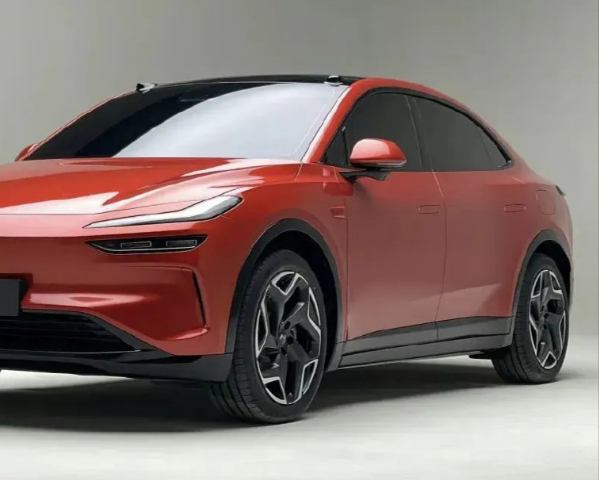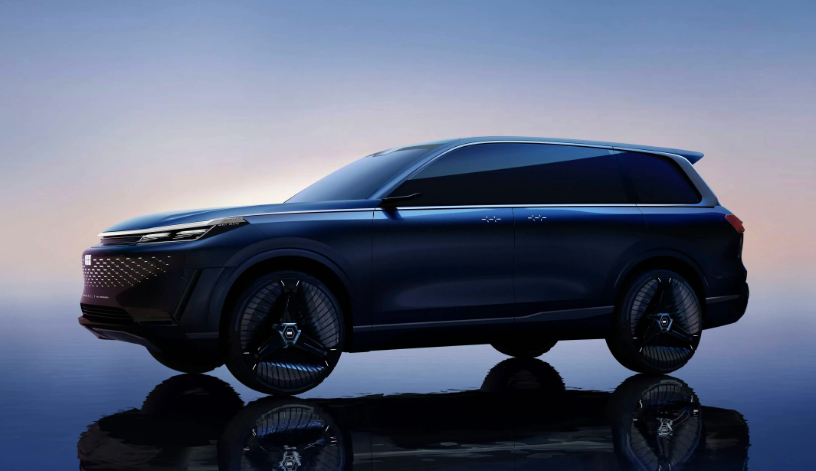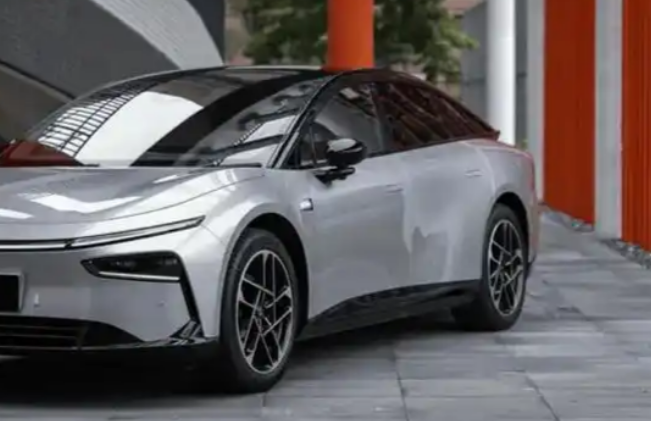
You have likely seen the listings appear on your competitors’ lots or noticed an influx of Chinese EVs moving through local auctions. The question shifts from “is this happening?” to “how do I get involved?” The hesitation is understandable. The gap between identifying a potential profit margin and actually executing a used EV import from China can feel wide. You need to know if the logistics are manageable, who you can trust with your capital, and how to avoid a paperwork nightmare that stalls inventory on the docks.
These are not hypothetical concerns; they are the operational hurdles that determine whether a sourcing strategy becomes a reliable supply chain or a one-time headache. Over the past two years, a community of international dealers has established a track record in this market. This FAQ distills the hard-won knowledge from those B2B discussions — the practical answers you need before wiring a deposit.
⚡ Do I need to buy in bulk to get started?
A persistent myth in this industry is that Chinese exporters only entertain full-container loads. The reality is far more flexible. Many reputable suppliers now support single-unit pilot orders, specifically designed for verified business buyers who need to evaluate vehicle condition and logistics before committing to volume. You can start with one car, inspect it thoroughly, and build your procurement process around that single data point.
The key is finding a partner with transparent per-unit pricing rather than tiered discounts that force you into inventory you cannot move. While pilot orders may carry a slightly higher per-vehicle cost due to shared shipping and handling, they are the lowest-risk method to verify quality, communication, and delivery timelines before scaling up.
🔎 How do I know the battery isn’t degraded?
This question sits at the center of almost every negotiation. The standard for due diligence has evolved significantly. Two years ago, a photo of the dashboard’s estimated range might have sufficed. Today, that is considered insufficient. The baseline expectation is a third-party battery health report that includes a cycle-based capacity test, not just a static voltage reading.
The most reliable reports break down cell voltage deviation, remaining capacity as a percentage of the original design, and a pass/fail assessment using industry-standard thresholds (often ≤8% capacity loss for vehicles under three years old). If a supplier hesitates to provide this data or substitutes a quick OBD2 scan, treat it as a red flag. Battery diagnostics are non-negotiable because the battery condition directly dictates your resale margin.
📦 What does the shipping process actually look like?
There is often a gap between the simplified sales pitch (“we handle everything”) and operational reality. The physical flow typically follows this path: the vehicle is collected from the owner or auction site, transported to a consolidation warehouse near the export port, professionally cleaned and photographed, and then loaded onto either a roll-on/roll-off (Ro-Ro) vessel or a container flat rack.
Ro-Ro is generally more cost-effective for standard-height EVs, while containerized shipping offers superior protection for premium models. Transit times to major ports in the Middle East, Southeast Asia, or East Africa generally range from 12 to 28 days. Always clarify whether the quoted price is FOB (you assume cost and risk from the port) or CIF (seller covers freight and insurance to your destination port). Confusion over these Incoterms is a leading cause of budget overruns.
🌍 What about import rules and certification in my country?
No exporter can guarantee clearance in every jurisdiction, and any claim to the contrary should be met with skepticism. However, experienced suppliers provide a documentation pack that significantly simplifies the process. This typically includes the original Chinese registration certificate (with certified translation), a de-registration export certificate, the purchase invoice, the battery test report, and, where applicable, a certificate of conformity.
Suppliers who succeed in B2B relationships treat documentation as a core product component, not an afterthought. Some even pre-prepare dossiers matched to specific country requirements—such as GCC compliance documents for Gulf states or age-limit verification for restrictive markets. If you are uncertain about local rules, ask the supplier if they have shipped to your country before and request a sample set of cleared documents. This request quickly reveals the difference between a generalist trader and a dedicated EV remarketer.
💰 How do payment terms and currency work?
Most B2B transactions in this sector rely on telegraphic transfer in USD, typically structured with a 30–50% deposit before shipment and the balance due against a copy of the bill of lading. For first-time buyers, some suppliers support trade assurance through platforms like Alibaba or escrow services that hold funds until the vehicle is confirmed loaded.
Never pay the full amount upfront without a verifiable shipping milestone. It is also wise to factor in an extra 2–3% for cross-border transfer costs and bank intermediary fees, especially if paying from a non-USD account. While repeat buyers often negotiate open account terms or letters of credit, that trust is earned through a clean transaction history.
🛠️ What happens if the car arrives with damage or faults?
The most effective protection begins before the car leaves the warehouse. A professional B2B supplier should provide a detailed pre-shipment inspection that includes exterior and interior photos, underbody shots, tire condition, and a functional check of infotainment, climate control, and charging ports.
If damage occurs during transit, marine insurance (typically 1–2% of the vehicle’s declared value) covers repairs or total loss. Insist on an all-risk marine cargo policy valid from warehouse departure to your nominated destination. For mechanical faults discovered after delivery, resolution depends on the supplier’s warranty terms. Some offer a limited powertrain or battery warranty, while others sell strictly “as-is.” Knowing which category you are buying into avoids disputes later.
🤝 How do I find a supplier that won’t disappear after the first deal?
Consistency signals are easier to spot than you might think. Evaluate communication during the inquiry stage—do they answer technical questions directly, or do they deflect? Do they have a stable online presence with real inventory updates, or just generic stock photos?
Suppliers worth your time treat every sample order as the start of a long-term relationship. A practical verification step is to request a live video walkaround of a vehicle matching your requirements, specifically asking the supplier to show the VIN plate on camera. This filters out middlemen who never physically handle the cars. Additionally, asking for a reference buyer you can speak to—even a brief chat with another dealer—provides more insight than any sales brochure.
🚗 A Quick Word for Buyers Ready to Browse Inventory
While this FAQ addresses the mechanics of the transaction, seeing the actual product is often the fastest way to get answers. You can view current stock, battery reports, and pricing without a commitment. Sometimes, seeing the vehicles and documentation side by side is the only clarity you need to move forward.
📋 The Shift Toward Standardization
Looking ahead, the B2B used EV trade is moving toward more uniform practices. Export certification programs backed by battery passport initiatives are currently being piloted in several Chinese provinces. These initiatives aim to provide international buyers with a standardized, tamper-proof record of a vehicle’s battery history and accident status. As these tools become available, the gap between serious suppliers and opportunistic resellers will widen. For dealers, this means less guesswork and more time spent matching the right car to the right customer, ultimately building a sourcing channel you can rely on week after week.