Body
The global market for used electric vehicles is evolving rapidly in 2026. As increasing numbers of lease-return EVs enter dealerships and export channels, buyers now have access to a wider selection of late-model vehicles than ever before. This growing inventory has created excellent opportunities—but it has also made informed decision-making more important.
Today’s smartest buyers no longer evaluate a vehicle based only on appearance or mileage. Instead, they rely on technical data, battery diagnostics, software history, and maintenance records to identify vehicles that will deliver reliable performance for years to come.
Whether you’re purchasing your first EV or expanding a commercial fleet, understanding what separates a high-quality used electric vehicle from an average one can help maximize your investment.
A Data-Driven Approach to Buying Used EVs
Electric vehicles require a different evaluation process than conventional gasoline cars.
Rather than focusing primarily on engine wear or transmission condition, buyers should examine the health of the vehicle’s battery system, charging history, and digital maintenance records.
The most valuable document during the purchasing process is a certified battery State of Health (SoH) report.
A comprehensive battery inspection should include:
- Remaining battery capacity
- Battery cycle count
- Charging history
- Thermal management performance
- Battery Management System (BMS) diagnostics
- Manufacturer service records
These reports provide measurable information about battery performance, allowing buyers to compare vehicles objectively instead of relying on assumptions based on age or mileage alone.
Charging Habits Matter More Than Many Buyers Realize
Not every battery ages at the same rate.
Charging behavior has a significant influence on long-term battery performance.
Vehicles primarily charged using Level 2 AC charging at home or in workplaces often experience less battery stress than vehicles that rely heavily on frequent DC fast charging.
Although modern battery technology is designed to tolerate fast charging, reviewing charging history provides valuable insight into how the vehicle has been used throughout its life.
When available, combining battery diagnostics with charging records offers one of the clearest indicators of long-term reliability.
Software Is Now Part of Vehicle Quality
Modern electric vehicles continue evolving long after production through Over-the-Air (OTA) software updates.
Manufacturers regularly improve battery optimization, charging efficiency, driver assistance systems, cybersecurity, and infotainment functionality through software releases.
When evaluating used electric vehicles, buyers should verify:
- Current software version
- OTA update history
- Connected service availability
- Mobile app compatibility
- Manufacturer software support
Vehicles that remain within an active software ecosystem generally provide a better ownership experience and maintain stronger resale values.
Unlike conventional vehicles, software has become a key factor influencing long-term vehicle performance.
More Inventory Means Better Buying Opportunities
One of the defining characteristics of the 2026 market is increased inventory availability.
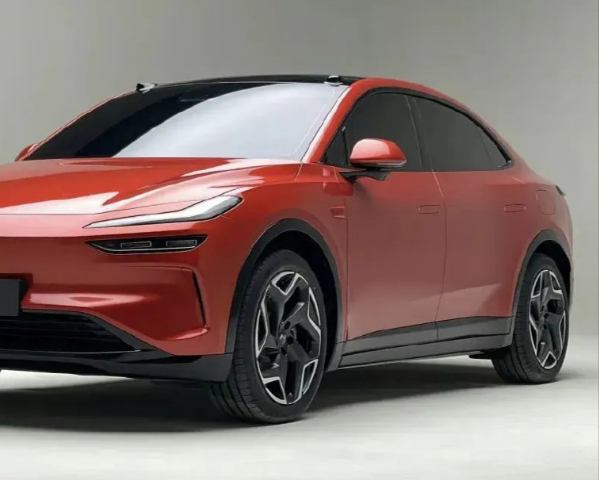
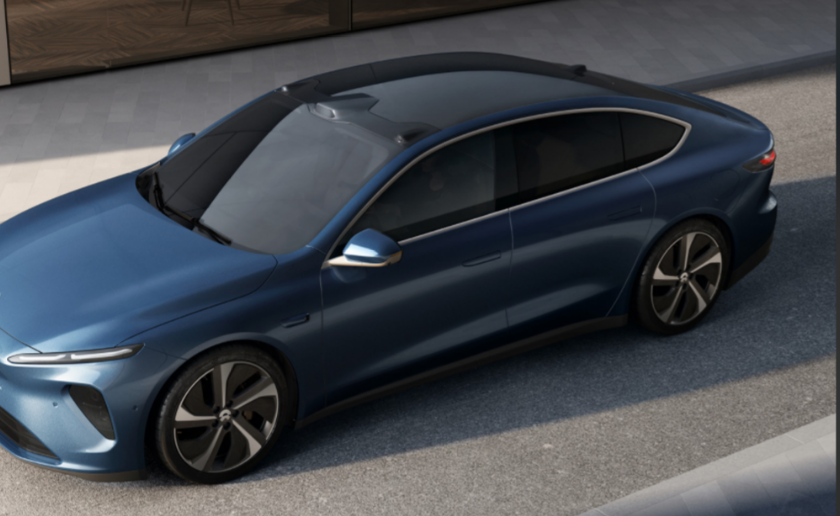
Large numbers of lease-return vehicles have expanded buyer choice across compact hatchbacks, family SUVs, luxury sedans, and commercial electric vans.
This broader selection allows buyers to compare multiple vehicles with similar specifications before making a purchasing decision.
Instead of purchasing the first available vehicle, consumers can evaluate battery reports, service histories, warranty coverage, equipment packages, and ownership records to identify the best overall value.
The current market favors informed buyers willing to compare technical details rather than focusing exclusively on purchase price.
Buy From Suppliers That Prioritize Transparency
Vehicle quality depends not only on the vehicle itself but also on the reliability of the supplier.
Professional dealers and exporters increasingly provide comprehensive documentation that includes battery certification, VIN verification, maintenance history, software records, and inspection reports.
If you are searching for professionally inspected pre-owned electric vehicles, UsedEVChina offers verified inventory supported by transparent battery diagnostics, complete vehicle documentation, and export-ready services for both individual customers and commercial buyers.
Working with trusted suppliers reduces purchasing risk while providing greater confidence throughout the buying process.
Sustainability Adds Long-Term Value
Choosing a used electric vehicle supports both financial and environmental goals.
Extending the service life of existing EVs helps reduce manufacturing demand, conserve raw materials, and support a more sustainable automotive industry.
At the same time, buyers continue benefiting from lower maintenance requirements, reduced operating costs, and expanding public charging infrastructure.
For businesses, dealerships, and fleet operators, professionally inspected used EVs also provide an opportunity to accelerate electrification while managing acquisition costs more effectively.
Looking Ahead
The used EV market in 2026 offers more opportunities than ever before, but successful purchasing depends on making decisions based on reliable technical information.
Prioritizing verified battery health, documented maintenance history, software support, and reputable suppliers allows buyers to identify vehicles that combine reliability, efficiency, and long-term value.
Whether you’re purchasing a personal vehicle or sourcing inventory for commercial use, a data-driven approach will help you navigate today’s expanding market with greater confidence.
As battery technology, software support, and vehicle transparency continue improving, the best used EVs are no longer simply affordable alternatives—they have become smart long-term investments for the future of sustainable mobility.