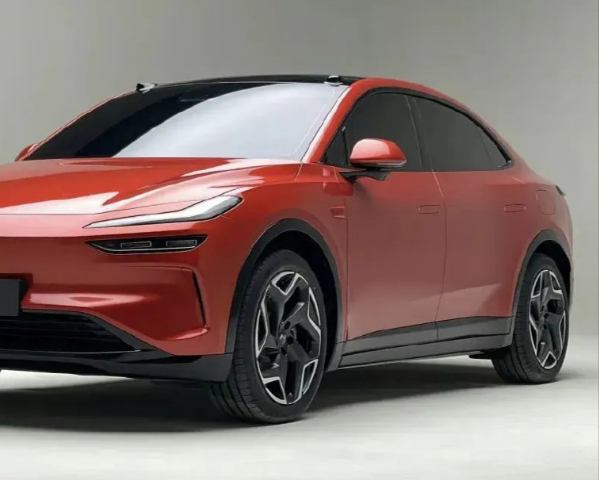
Electric fleets have moved beyond the early adoption phase. In 2026, the conversation is no longer centered on whether businesses should electrify their vehicles, but on how to operate those fleets more efficiently, reduce ownership costs, and maximize long-term asset value.
For fleet operators, dealerships, logistics companies, and corporate mobility providers, successful EV management requires much more than purchasing electric vehicles. Battery performance, charging infrastructure, maintenance planning, software management, and procurement strategy all play critical roles in determining fleet profitability.
Companies that approach fleet management with reliable data and standardized operating procedures are better positioned to improve vehicle utilization while controlling operational expenses.
Focus on Total Cost of Ownership Rather Than Purchase Price
The purchase price of an electric vehicle represents only part of its overall cost.
Professional fleet managers increasingly evaluate Total Cost of Ownership (TCO) by considering vehicle depreciation, charging expenses, maintenance costs, battery longevity, software support, insurance, and expected resale value.
Electric vehicles generally require fewer routine mechanical repairs than internal combustion vehicles, but businesses must still account for battery diagnostics, cooling systems, tire wear, brake servicing, and electrical inspections throughout the vehicle’s lifecycle.
Using fleet management software and telematics to monitor charging behavior, route efficiency, and vehicle utilization enables businesses to make more informed operational decisions while reducing unnecessary costs.
Organizations that optimize charging schedules during off-peak electricity periods can also significantly lower long-term energy expenses.
Predictive Maintenance Improves Fleet Availability
Unexpected vehicle downtime directly affects productivity, customer satisfaction, and operating costs.
Rather than waiting for mechanical failures to occur, many fleet operators now rely on predictive maintenance supported by real-time vehicle diagnostics. Modern telematics systems continuously monitor battery condition, electrical performance, tire pressure, temperature management, and fault codes.
This data allows maintenance teams to identify potential issues before they become serious failures, reducing repair costs and improving fleet availability.
Vehicles with regularly updated maintenance records and documented battery State of Health (SoH) reports also maintain stronger resale values when they eventually leave commercial service.
For high-utilization fleets such as delivery services, ride-sharing platforms, and corporate transportation, preventive maintenance has become a competitive advantage rather than simply a maintenance strategy.
Charging Infrastructure Should Match Operational Needs
An efficient charging strategy begins with understanding how vehicles are actually used.
Fleet managers should evaluate daily driving distance, parking locations, route schedules, and charging windows before investing in infrastructure. Depot-based fleets often benefit from overnight AC charging, while long-distance operations may require access to public or private DC fast-charging stations.
Matching charging capability with vehicle usage improves operational efficiency while avoiding unnecessary infrastructure investment.
Businesses expanding their fleets should also consider EV fleet charging solutions that support load balancing, energy monitoring, and future scalability as additional vehicles are introduced.
Careful planning today helps avoid expensive infrastructure upgrades later.
Standardization Reduces Complexity
Operating multiple vehicle brands, battery systems, and software platforms often increases maintenance complexity.
Different charging interfaces, diagnostic procedures, replacement parts, and software ecosystems require additional technician training and inventory management, increasing operational costs over time.
Many successful fleet operators standardize vehicle specifications whenever possible. Selecting similar battery technologies, charging standards, and software platforms simplifies maintenance, improves driver training, and streamlines fleet management.
A standardized fleet also makes it easier to integrate telematics platforms, maintenance scheduling software, and charging management systems into a unified operational workflow.
Data-Driven Procurement Creates Better Long-Term Value
Fleet expansion should begin with reliable vehicle data rather than pricing alone.
Professional buyers increasingly require comprehensive inspection reports covering battery diagnostics, service history, accident records, software versions, and charging performance before approving purchases.
Businesses sourcing used electric vehicles can significantly reduce procurement risks by working with suppliers that provide transparent documentation and independent vehicle inspections.
Reliable procurement processes improve purchasing consistency while reducing unexpected maintenance costs after vehicles enter service.
Why Global Fleet Operators Source Used EVs from China
China has become one of the world’s leading suppliers of both new and pre-owned electric vehicles, offering a broad selection of commercially suitable models for international buyers.
The country’s mature EV ecosystem provides access to vehicles equipped with advanced battery technology, intelligent driving systems, and competitive pricing across multiple market segments.
Many overseas fleet operators now evaluate Chinese used EVs when expanding their commercial operations because these vehicles combine modern technology with attractive acquisition costs.
Experienced sourcing partners also assist with battery inspections, export compliance, customs documentation, logistics coordination, and quality verification, helping buyers simplify international procurement while reducing operational risk.
Build a Fleet That Remains Competitive
Fleet management is becoming increasingly data-driven. Businesses that monitor battery performance, standardize procurement, optimize charging infrastructure, and implement predictive maintenance are better prepared to reduce operating costs while improving service reliability.
As electric vehicle technology continues evolving, long-term success will depend not only on selecting the right vehicles but also on building an operational strategy that supports efficient fleet performance throughout every stage of the vehicle lifecycle.
Whether you’re replacing conventional vehicles or expanding an existing electric fleet, sourcing used EVs from China through a trusted supplier provides access to verified inventory, transparent inspection reports, and scalable procurement solutions designed for today’s commercial transportation market.