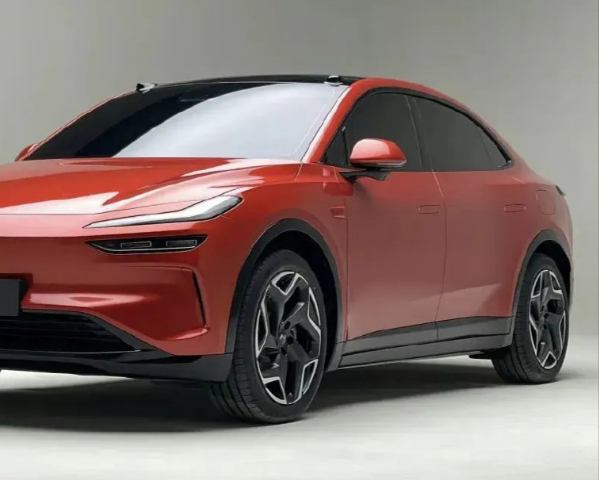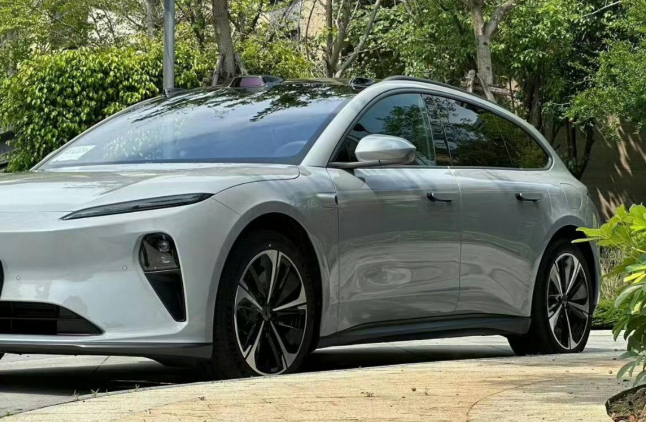
The global automotive industry has entered a new stage of electrification. While much of the attention continues to focus on new electric vehicle launches, a more significant transformation is taking place in the secondary market. Throughout 2026, the demand for quality pre-owned electric vehicles has accelerated as businesses, fleet operators, and individual buyers seek affordable access to modern EV technology.
Several factors are driving this shift. Improved battery durability, stronger charging infrastructure, greater pricing transparency, and more comprehensive vehicle history reports have all contributed to increasing confidence in used EV purchases. For buyers evaluating long-term value rather than simply comparing sticker prices, today’s market offers far more opportunities than it did just a few years ago.
Battery Transparency Has Become the New Standard
Perhaps the biggest change in today’s market is the availability of battery health information.
In previous years, uncertainty surrounding battery degradation discouraged many potential buyers. Today, professional inspections and manufacturer diagnostic reports allow purchasers to review detailed battery conditions before making a decision. Instead of relying solely on vehicle age or mileage, buyers now examine battery State of Health (SoH), charging history, thermal management records, and maintenance documentation.
This increased transparency has significantly reduced purchasing risks while improving confidence in the resale market. Vehicles with well-documented battery histories typically command stronger resale values because buyers can better predict long-term operating costs.
For commercial buyers sourcing inventory internationally, standardized battery reports have become just as important as traditional mechanical inspections.
Driving Range Continues to Influence Resale Value
Although EV technology continues to evolve rapidly, one purchasing criterion remains remarkably consistent: practical driving range.
Industry observations throughout 2026 indicate that used electric vehicles capable of traveling more than 300 miles on a full charge generally maintain stronger resale demand than shorter-range alternatives. While brand reputation still influences purchasing decisions, daily usability has become the primary value driver.
This trend is especially noticeable among businesses purchasing vehicles for fleet operations, ride-hailing services, and regional transportation, where maximizing operational efficiency directly affects total ownership costs.
Consequently, many professional buyers now evaluate used electric vehicles based on real-world range performance rather than original manufacturer specifications alone.
Software Support Has Become a Long-Term Asset
Unlike conventional vehicles, electric vehicles continue evolving long after leaving the production line.
Manufacturers regularly release Over-the-Air (OTA) software updates that improve battery management, charging efficiency, navigation systems, driver assistance features, and overall user experience. In some cases, software improvements even increase usable driving range or optimize energy consumption.
As a result, software support has become an important factor influencing resale values. Buyers increasingly favor manufacturers with consistent update schedules and long-term software commitments because these vehicles remain technologically relevant for longer periods.
When evaluating a pre-owned EV, reviewing the manufacturer’s software update history is now nearly as important as reviewing maintenance records.
Charging Infrastructure Is Expanding Market Opportunities
The availability of charging infrastructure continues to shape regional demand for used EVs.
Fast-charging networks have expanded considerably across North America, Europe, and many Asian markets during the past several years. While apartment residents and urban drivers may still face charging limitations, the growth of public charging stations and community charging hubs has made electric vehicle ownership practical for a much larger audience.
From a business perspective, charging availability also affects inventory turnover.
Markets with mature charging networks generally experience faster sales cycles for pre-owned electric cars, while regions with limited charging infrastructure often require more competitive pricing strategies. Dealers and exporters increasingly consider local charging accessibility when selecting inventory for specific overseas markets.
Understanding regional infrastructure trends has therefore become an important part of inventory planning and international vehicle distribution.
Data-Driven Purchasing Is Replacing Traditional Vehicle Selection
The used EV market has become increasingly data-oriented.
Rather than focusing only on mileage, buyers now compare multiple technical indicators before making purchasing decisions. Battery diagnostics, charging frequency, warranty status, service records, software versions, and energy efficiency all contribute to a vehicle’s long-term value.
Professional exporters and fleet managers frequently use digital inspection reports to compare vehicles across different suppliers before completing international purchases. This analytical approach reduces uncertainty while improving purchasing efficiency.
For companies managing larger inventories, reliable vehicle data also supports more accurate pricing, stronger customer confidence, and faster inventory turnover.
Why Global Buyers Continue Looking to China
China remains one of the world’s largest sources of high-quality used electric vehicles. The country’s rapidly expanding EV ownership has created a growing supply of relatively new vehicles entering the secondary market, providing international buyers with a wide selection across multiple price points.
Many overseas dealers now monitor Chinese EV market trends to identify inventory with competitive pricing, advanced technology, and strong battery performance. Combined with professional inspections and export documentation, these vehicles continue attracting buyers across Europe, Southeast Asia, the Middle East, Africa, and Latin America.
Businesses interested in international sourcing increasingly prioritize suppliers capable of providing transparent battery reports, export compliance documentation, and logistics support throughout the purchasing process.
Looking Ahead
The pre-owned electric vehicle market is no longer simply an alternative to buying new. It has become an essential component of the global transition toward sustainable mobility.
As battery technology matures, software support improves, and charging infrastructure continues expanding, used EVs will become even more attractive to consumers and commercial buyers alike. The market is shifting from concerns about battery longevity toward optimizing ownership value, operating efficiency, and lifecycle sustainability.
Whether you’re purchasing a single vehicle or expanding a commercial inventory, understanding battery diagnostics, software history, and regional charging infrastructure will help you make better investment decisions. If you’re evaluating international inventory, exploring a trusted source of used EVs from China can provide access to competitive pricing and a broad selection of export-ready models suitable for global markets.