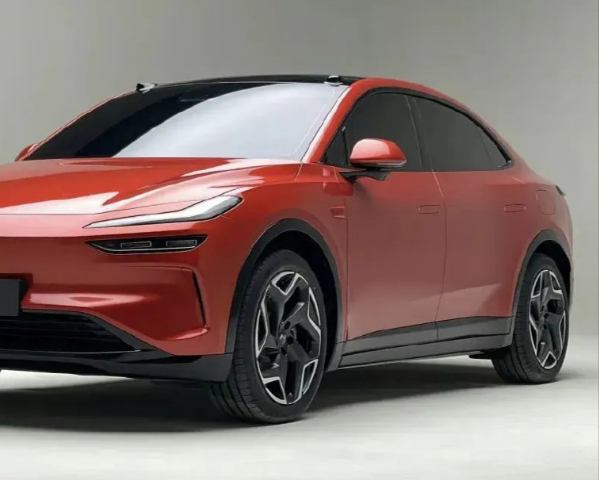
As global energy systems continue to evolve in 2026, demand for efficient and cost-effective transportation has reached unprecedented levels. Within this transformation, pre-owned electric vehicles from China are emerging as a major force in international automotive trade. For both individual buyers and professional importers, understanding the structural changes behind this growth is essential for building a competitive sourcing strategy.
Recent market data shows that China’s exports of electric and plug-in hybrid vehicles continue to expand year over year. This growth is driven by a highly mature manufacturing ecosystem, strong supply chain integration, and increasingly advanced vehicle technology. Compared to traditional combustion-engine vehicles, Chinese EVs offer clear advantages in software systems, battery efficiency, and design innovation. In many emerging markets, these vehicles are becoming a practical transition solution, offering modern mobility at significantly lower entry costs.
Strong Global Demand Driven by Value and Technology
One of the most notable trends in 2026 is the rising international demand for used electric vehicles sourced from China. Buyers are no longer focused solely on price advantages; instead, they are evaluating performance stability, digital features, and long-term operational efficiency.
This shift is closely tied to broader Chinese EV market trends, where rapid product iteration and technological upgrades have accelerated the availability of late-model vehicles in the secondary market. As a result, international buyers now have access to relatively new EVs with advanced features at significantly reduced acquisition costs.
Among the most in-demand brands, BYD continues to dominate global attention. Known for its proprietary battery systems and strong reliability record, BYD has become a key player in both new and pre-owned segments. Many dealers are increasingly sourcing BYD used cars due to their strong resale performance, predictable maintenance profiles, and growing international recognition.
Export Ecosystem and Supply Chain Maturity
The expansion of the electric vehicle export industry has significantly improved access to high-quality inventory worldwide. Unlike earlier stages of the market, today’s export channels are supported by structured inspection systems, standardized documentation, and more transparent logistics processes.
This professionalization has reduced uncertainty for overseas buyers, especially regarding battery health, mileage accuracy, and vehicle condition reports. As a result, cross-border transactions are becoming more stable, with fewer risks related to hidden defects or inconsistent quality.
For wholesalers and fleet operators, this means that sourcing from verified channels is no longer optional—it is a strategic requirement for maintaining profitability and customer trust.
Battery Transparency and Market Confidence
Historically, battery degradation was one of the biggest concerns in the used EV market. However, advancements in diagnostic tools and standardized reporting have significantly improved buyer confidence.
In 2026, most high-quality exports now include detailed battery health reports, charge cycle data, and performance diagnostics. This level of transparency allows buyers to evaluate long-term value with much greater accuracy than in previous years.
As a result, pre-owned EVs are increasingly viewed not as high-risk assets, but as data-backed mobility solutions with predictable lifecycle performance.
Market Opportunity for International Buyers
For businesses operating in automotive retail or fleet management, the current market presents a strategic opportunity. Rising fuel costs, stricter environmental regulations, and government incentives for clean energy adoption are all accelerating demand for affordable electric mobility solutions.
Importers who focus on late-model, well-documented vehicles are better positioned to navigate customs requirements and meet evolving compliance standards. This reduces operational friction while improving market acceptance in destination countries.
Selecting vehicles that align with international standards also simplifies logistics, improves registration success rates, and enhances end-user satisfaction.
Strategic Outlook for 2026 and Beyond
The global pre-owned EV market is expected to continue expanding as more vehicles enter the secondary circulation cycle. China’s dominant manufacturing position ensures a steady supply of high-quality inventory, while global demand continues to diversify across Europe, Southeast Asia, Latin America, and Africa.
In this environment, success depends on more than just sourcing vehicles—it requires access to reliable data, verified inspections, and structured procurement channels.
Businesses that integrate quality control, market intelligence, and disciplined sourcing strategies will be best positioned to scale sustainably in the evolving EV ecosystem.