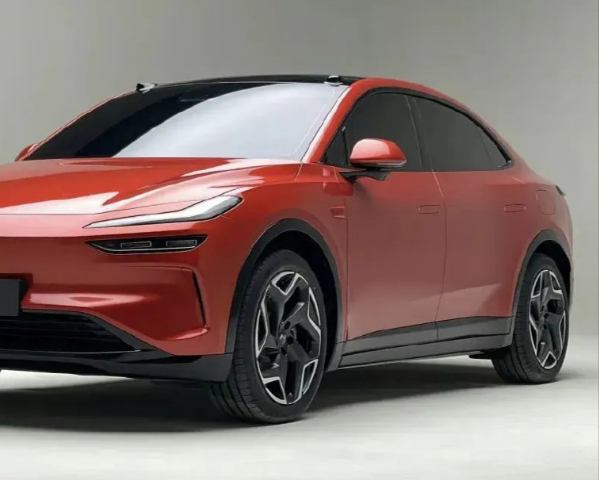
As global electric vehicle trade continues to expand in 2026, compliance requirements and supply chain transparency have become central concerns for international dealerships, fleet operators, and automotive importers. Beyond vehicle quality and pricing, businesses must now ensure that every imported unit meets evolving regulatory, safety, and documentation standards across different jurisdictions.
Failure to comply can result in customs delays, financial penalties, or even shipment rejection. This FAQ outlines the most important compliance considerations when importing Chinese electric vehicles and building a reliable cross-border procurement strategy.
What Due Diligence Is Required for Legal Compliance?
Ensuring regulatory compliance begins long before shipment. Importers must verify not only the physical condition of each vehicle but also its technical specifications and legal classification under destination-country regulations.
Professional buyers should conduct full vehicle compliance audits, including verification of emissions classification, safety standards, and import eligibility under local M1 passenger vehicle regulations. In many regions, age limits or technical restrictions may apply to certain vehicle categories, making early verification essential.
Equally important is confirming correct HS code classification with a licensed customs broker. Incorrect classification can lead to unexpected duties, delays in clearance, or regulatory disputes at the port of entry.
A structured due diligence process significantly reduces legal and financial risks in cross-border EV procurement.
How Does Battery Traceability Impact EV Imports in 2026?
One of the most important regulatory developments in 2026 is the introduction of stricter battery traceability requirements for electric vehicles.
Authorities in multiple markets now require detailed documentation of battery origin, lifecycle data, and safety certification before approving import registration. This ensures transparency in sourcing and improves safety monitoring across the EV supply chain.
Each exported vehicle must include verified compliance documents such as UN38.3 battery certification, transportation safety reports, and digital battery identification records where applicable.
For importers, these documents are essential for smooth customs clearance and successful fleet registration with local transport authorities. Without proper battery traceability documentation, vehicles may be delayed or rejected at border inspection.
How Are Software-Related Import Restrictions Managed?
Modern electric vehicles rely heavily on connected software systems, which introduces new regulatory considerations in international trade.
Some jurisdictions impose restrictions on software tied to specific cloud services, data governance frameworks, or geopolitical compliance requirements. To mitigate these risks, professional exporters perform pre-shipment screening to ensure vehicles meet all relevant software compliance standards.
Each unit is typically accompanied by a compliance declaration, confirming that both hardware and software configurations have been reviewed for international market compatibility.
This process helps reduce the risk of customs inspection delays, regulatory audits, or post-import functionality limitations.
For importers, software compliance is now just as important as mechanical condition or battery performance.
Why Is Direct OEM Access Important for Compliance Assurance?
Sourcing vehicles through verified and structured supply chains plays a critical role in maintaining regulatory accuracy.
Working with suppliers that maintain direct OEM relationships ensures access to authentic documentation, including Certificates of Origin (CoO), Certificates of Conformity (CoC), and factory-issued technical specifications.
This reduces the risk of documentation errors commonly found in fragmented intermediary supply chains. Accurate paperwork is essential for vehicle registration, customs clearance, and compliance verification in destination markets.
For professional dealerships, OEM-aligned sourcing improves reliability and strengthens long-term operational stability.
How Should EV Fleet Shipping Be Managed for Regulatory Safety?
Electric vehicles are classified as regulated cargo under international maritime transport rules due to lithium battery components.
Proper handling requires adherence to Class 9 dangerous goods regulations, including specific requirements for battery state-of-charge, packaging, and transport documentation.
Before shipment, vehicles must be prepared according to international safety standards, including maintaining appropriate battery charge levels (typically below 50%), securing structural stability within containers, and providing full Material Safety Data Sheets (MSDS) for customs and shipping authorities.
Professional logistics coordination ensures faster port clearance, reduced inspection risk, and safer international transport.
Why Compliance and Transparency Define Competitive Advantage
As global EV regulations become more complex, compliance is no longer a back-office requirement—it is a strategic business function.
Importers that prioritize documentation accuracy, battery traceability, software compliance, and OEM-backed sourcing are better positioned to avoid delays, reduce operational risks, and build stronger trust with end customers.
In contrast, fragmented or unverified supply chains increase the likelihood of customs issues, financial losses, and reputational damage.
By adopting structured compliance processes and working with transparent sourcing partners, businesses can build scalable, legally secure, and efficient EV import operations.