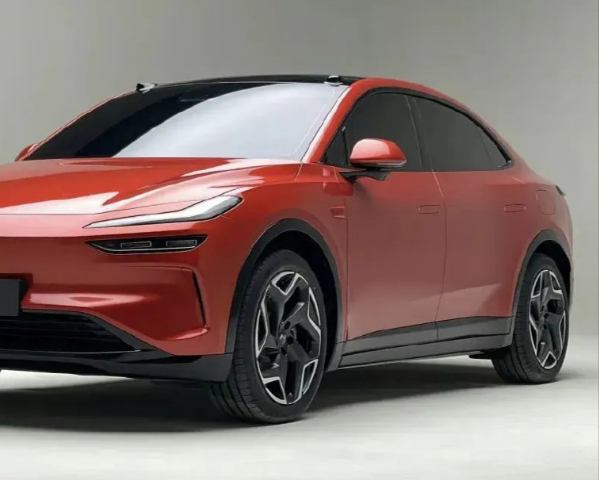
The global automotive industry is experiencing a significant transformation in 2026, and Chinese automakers are at the center of this change. As competition in the domestic market intensifies, leading manufacturers are increasingly focusing on international expansion as a primary growth strategy. For overseas dealerships, fleet operators, and automotive wholesalers, this trend is creating unprecedented opportunities to access advanced electric vehicles at competitive prices.
The rapid development of export-focused production, international logistics networks, and global service infrastructure has positioned China as one of the most influential players in the electric vehicle market. More importantly, the rise of export-ready vehicle inventories is making it easier than ever for international buyers to source reliable, high-quality electric vehicles for their local markets.
China’s EV Export Strategy Has Entered a New Phase
A few years ago, Chinese automakers primarily relied on competitive pricing to gain attention in overseas markets. Today, the conversation has shifted dramatically. Leading manufacturers are increasingly competing on technology, battery innovation, software capabilities, and intelligent driving systems rather than cost alone.
This evolution reflects the growing maturity of the Chinese EV industry. Modern vehicles are equipped with advanced battery systems, connected software ecosystems, intelligent driver-assistance technologies, and high-efficiency electric powertrains that rival many established global brands.
For businesses involved in Chinese EV exports, this shift represents a major advantage. Importers can now offer customers vehicles that combine affordability with advanced features, helping them compete more effectively in increasingly crowded markets.
Technology Is Becoming the Key Differentiator
One of the most important reasons behind the success of Chinese electric vehicles is their rapid pace of technological innovation.
Manufacturers continue to invest heavily in battery development, software integration, smart cockpit systems, and over-the-air update capabilities. These technologies are no longer limited to premium models. Many mainstream electric vehicles now feature intelligent connectivity, advanced safety systems, and digital user experiences that were once reserved for luxury brands.
For international dealers, sourcing vehicles with proven battery technology and modern software platforms provides a stronger value proposition for customers seeking long-term reliability and lower operating costs.
As consumer expectations continue to rise, technology-driven vehicle selection is becoming a critical component of inventory planning.
Export-Ready Vehicles Simplify International Procurement
Recognizing the growing importance of overseas markets, many Chinese manufacturers have begun designing vehicles specifically for international distribution.
These export-focused models often include multilingual interfaces, internationally compatible navigation systems, charging standards suited to regional requirements, and software optimized for global telecommunications networks.
This growing emphasis on export-ready inventory reduces many of the challenges historically associated with importing vehicles from overseas markets. Buyers can source products that require fewer modifications after arrival, resulting in lower operational costs and faster sales cycles.
For dealerships and fleet operators, access to export-optimized vehicles improves efficiency while minimizing technical complications during deployment.
Global Service Networks Are Strengthening Buyer Confidence
One of the biggest concerns for importers has traditionally been long-term support after purchase. However, as Chinese automakers expand their international presence, investment in service infrastructure continues to grow.
Manufacturers and distribution partners are establishing regional warehouses, expanding spare parts availability, and strengthening technical support capabilities in key markets worldwide. This development significantly improves after-sales support, helping dealers maintain customer satisfaction while reducing service-related risks.
The continued expansion of global support networks also increases buyer confidence when investing in larger vehicle inventories, knowing that maintenance resources and replacement components will be available when needed.
Transparency Is Reshaping the EV Supply Chain
Another major factor contributing to export growth is the increasing professionalization of vehicle sourcing and logistics.
Modern buyers expect complete transparency throughout the procurement process. This includes vehicle history records, battery diagnostics, inspection reports, logistics tracking, and compliance documentation. As a result, leading exporters now treat transparency as a core business requirement rather than a premium service.
Businesses that prioritize battery health verification and comprehensive quality inspections are often able to achieve higher customer trust and stronger resale performance in their local markets.
The ability to verify vehicle condition before shipment has become one of the most valuable tools available to international buyers.
Why the Opportunity Continues to Grow
Global demand for electric vehicles remains strong as governments pursue emission-reduction targets and consumers search for more affordable transportation alternatives.
At the same time, fluctuating fuel costs and increasing awareness of long-term ownership savings continue to encourage EV adoption across both developed and emerging markets. These trends are creating favorable conditions for importers who can secure reliable sources of quality electric vehicles.
By focusing on thoroughly inspected, technology-rich, and professionally supported vehicles, businesses can build resilient operations capable of adapting to changing market conditions.
Looking Ahead
The shift toward international expansion is no longer a temporary strategy for Chinese automakers—it has become a central pillar of long-term growth. As export infrastructure improves and global demand for electric mobility continues to rise, access to high-quality Chinese EVs will become increasingly important for dealerships and fleet operators worldwide.
Companies that establish strong sourcing partnerships today will be better positioned to capitalize on future market growth. By prioritizing vehicle quality, technical verification, and reliable supply chains, importers can create sustainable competitive advantages while meeting the evolving needs of modern consumers.
In 2026 and beyond, the success of the global EV market will be shaped not only by manufacturing innovation but also by the ability to connect international buyers with trusted, export-ready electric vehicle inventories.