The 2026 Global EV Export Surge: Why Used Electric Vehicles Are Becoming the Smart Choice for Global Buyers
The global market for electric vehicles (EVs) is entering a new phase in 2026. While new EV sales continue to grow, an even bigger opportunity is emerging in the secondary market. Thousands of well-maintained vehicles are now entering international trade as lease contracts expire, creating a larger supply of affordable, technology-rich electric cars for buyers around the world. For dealerships, fleet operators, and private importers, the used EV market has become one of the fastest-growing segments of the automotive industry.
Unlike the early years of EV adoption, today’s buyers have access to far more reliable information before making a purchase. Professional inspections, digital service records, and detailed battery health reports allow importers to evaluate a vehicle based on measurable performance rather than assumptions. As a result, purchasing a used EV is increasingly viewed as a practical business decision instead of a high-risk investment.
One of the biggest drivers behind this trend is the growing number of lease-return vehicles entering the market. Many electric vehicles delivered between 2022 and 2023 are now completing three- or four-year leasing cycles. These cars often feature relatively low mileage, complete maintenance histories, and manufacturer-supported battery warranties. The increased inventory gives buyers more options while creating healthier price competition across different brands and vehicle categories.
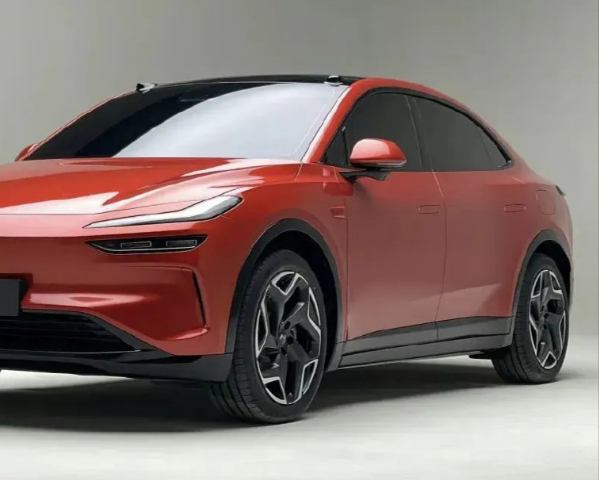
Another major factor reshaping the industry is the rapid expansion of Chinese EV exports. Manufacturers have invested heavily in battery technology, intelligent driving systems, and digital vehicle platforms, making their products increasingly competitive in international markets. Buyers now have access to modern electric vehicles equipped with efficient LFP batteries, advanced driver assistance systems, fast-charging capabilities, and connected software features at prices that are often more affordable than comparable alternatives.
For professional buyers, however, vehicle value depends on much more than price. The condition of the battery has become the single most important indicator of a used EV’s long-term performance. A vehicle with higher mileage but excellent EV battery State of Health (SoH) may offer significantly greater value than one with lower mileage but poor charging habits or noticeable battery degradation. Experienced importers therefore place greater emphasis on battery diagnostics, charging history, thermal management records, and warranty coverage than on the odometer alone.
Software has also become an essential part of vehicle value. Modern EVs continue to receive over-the-air updates that improve charging efficiency, optimize battery management, enhance navigation, and introduce new safety features. Buyers should verify whether OTA software updates and connected services remain available after export, as continued software support can improve both ownership experience and future resale value.
Before purchasing any imported electric vehicle, conducting a professional pre-purchase EV inspection is highly recommended. A comprehensive inspection should evaluate the high-voltage battery system, charging performance, suspension, braking system, cooling components, electronic modules, and diagnostic fault codes. Transparent documentation helps reduce uncertainty while allowing buyers to compare vehicles using consistent technical standards.
Buyer Checklist Before Importing a Used EV
- Verify battery State of Health (SoH) and diagnostic reports.
- Review complete maintenance and service records.
- Confirm remaining battery warranty coverage.
- Check charging connector compatibility with the destination market.
- Ensure software updates and connected services remain supported.
- Request detailed inspection and export documentation before shipment.
The global used EV market is expected to remain strong as supply continues to expand and battery technology becomes even more reliable. Buyers who prioritize verified technical data, transparent documentation, and professional inspections will be better positioned to reduce risk and maximize long-term value. Rather than focusing only on purchase price, successful importers understand that vehicle quality, battery condition, and software support are the factors that ultimately determine the true value of a used electric vehicle in today’s international market.