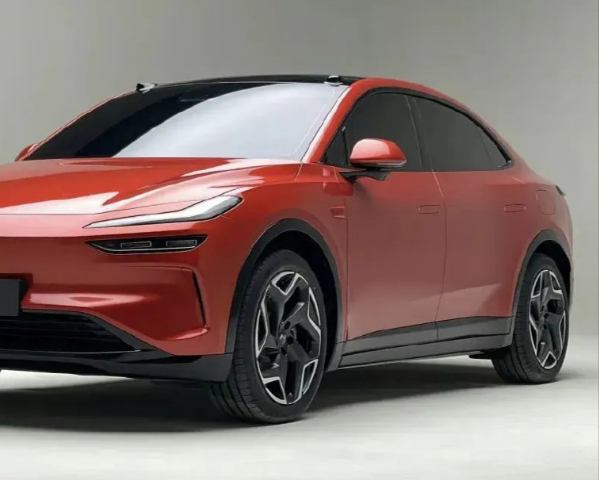
The global appetite for used EVs from China keeps growing as distributors, dealerships, fleet operators, and importers hunt for reliable, cost-effective inventory outside their home markets. China’s massive EV ecosystem, steady supply of relatively young vehicles, and improving export systems have turned it into a major sourcing hub.
Price alone rarely tells the full story. Smart buyers dig deeper into EV battery inspection, export paperwork, logistics, software support, and supplier credibility to protect their margins and avoid headaches down the road.
This FAQ brings together the most common questions international buyers ask when exploring the Chinese used EV market in 2026. Whether you’re testing one vehicle or building a steady supply chain, these practical insights can help you lower risks and make better decisions.
Why are more international buyers sourcing used EVs from China?
Several clear trends are driving this shift:
- China maintains one of the world’s biggest fleets of electric vehicles.
- Regular replacement cycles keep feeding fresh inventory into the market.
- Battery technology has matured significantly in recent years.
- Export processes have become more streamlined and predictable.
- Popular Chinese EV brands now enjoy growing recognition overseas.
For distributors, this means access to modern technology at competitive prices. Experienced importers look beyond the sticker price and evaluate the full picture — maintenance needs, battery state of health (SOH), parts availability, charging compatibility, and future resale potential.
FAQ 1: What should be inspected before purchasing a used electric vehicle?
A proper check goes well beyond reading the odometer. Serious buyers demand a full technical evaluation that typically covers:
- Battery State of Health (SOH)
- BMS diagnostic data
- Charging history and DC fast-charging frequency
- Accident and structural repair records
- Motor and high-voltage system condition
- ADAS features and software version
Battery condition usually matters most because replacing a pack can become one of the biggest expenses. Thorough EV battery inspection remains the best way to protect your investment.
FAQ 2: Is mileage still an important indicator?
Mileage provides useful context, but it shouldn’t be the only factor. Two vehicles with similar kilometers can show very different battery wear depending on usage patterns. Highway-heavy driving often stresses the battery less than frequent fast charging in city conditions. Local climate and maintenance history also play major roles. That’s why professionals combine multiple data points instead of relying on mileage alone.
FAQ 3: How is battery health verified?
Reliable verification usually combines several methods:
- Direct BMS data reading
- SOH measurement
- Voltage consistency checks across modules
- Charging and thermal management records
- Fault code analysis
Independent inspection reports add extra confidence when available. These diagnostics give far more insight than a simple visual check.
FAQ 4: What export documents are usually required?
Requirements vary by destination country, but most shipments need:
- Commercial Invoice and Packing List
- Vehicle Registration Cancellation Certificate
- Export Customs Declaration
- Bill of Lading
- Detailed Vehicle Inspection Report
- Purchase Contract
- Certificate of Origin (if applicable)
Always confirm local import rules early. Good documentation preparation helps avoid customs delays and unexpected costs.
FAQ 5: How should buyers evaluate battery chemistry?
Different chemistries suit different needs. The export market mainly offers two main types:
LFP Batteries Often preferred for fleets thanks to longer cycle life, strong thermal stability, lower degradation, and reduced maintenance risk.
NMC Batteries Valued for higher energy density, better range, and stronger performance.
Choose based on your local operating conditions, climate, and typical usage rather than chasing a single “best” option.
FAQ 6: What charging compatibility should importers verify?
Charging standards differ widely by region. Before committing, confirm AC and DC compatibility, connector types, adapter needs, and local grid support. Mismatches here can quietly drive up operating costs, especially for larger fleets.
FAQ 7: How important is software localization?
Modern EVs are essentially software platforms on wheels. Check language options, navigation maps, OTA update availability, connected services, and mobile app functionality. Some China-specific features may not work the same way overseas — understanding these limitations upfront prevents customer complaints later.
FAQ 8: What logistics options are commonly available?
Common methods include Ro-Ro shipping, container transport, and mixed-cargo solutions. The right choice depends on volume, vehicle size, destination, timeline, and insurance needs. Larger fleet orders often benefit from consolidated shipping that reduces per-unit costs.
FAQ 9: How can buyers reduce procurement risks?
Successful importers follow a structured process rather than chasing the lowest price:
- Supplier qualification
- Vehicle history and technical inspection
- Battery diagnostics
- Contract and documentation review
- Logistics planning
- Final pre-shipment check
This disciplined approach catches most problems before they reach your dock.
FAQ 10: Is there a minimum order quantity (MOQ)?
Not always. Many suppliers now accept single vehicles, small trial orders for dealerships, or larger fleet programs. Flexibility has improved, so align your order size with your business goals and local demand.
Building a Sustainable Procurement Strategy
The used EV market keeps maturing. Buyers who consistently focus on quality EV battery inspection, transparent suppliers, and full export compliance tend to see better long-term results. In 2026, strong procurement processes have become a real competitive edge for distributors and fleet operators.
Looking for current inventory and market updates? Platforms like UsedEVChina combine practical guides with selected vehicles, helping buyers connect research with real sourcing opportunities.
Conclusion
Sourcing used electric vehicles from China successfully requires more than browsing listings. Professional importers pay close attention to technical condition, Chinese electric vehicle export procedures, battery health, logistics, and post-delivery usability. By working systematically with reliable partners, buyers can build profitable, sustainable operations in this fast-growing global market.