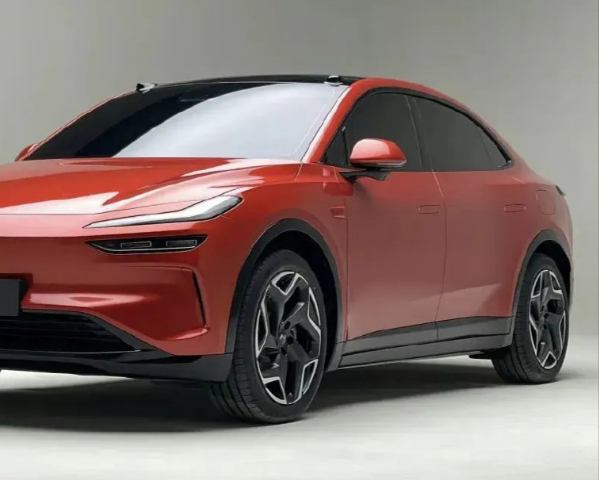
As the global market for pre-owned electric vehicles continues to expand, international buyers face challenges that extend far beyond selecting the right vehicle. Successful cross-border procurement requires a clear understanding of trade compliance, battery verification, customs procedures, and financial risk management. Below are answers to some of the most common questions from global dealers and fleet buyers.
Q1: How can buyers reduce payment risks when importing used EVs?
The safest approach is to work with qualified exporters and use internationally recognized payment methods such as Telegraphic Transfer (T/T) or Letters of Credit (L/C).
A common payment structure includes:
- 30% deposit after confirming the vehicle and export documents.
- 70% balance after receiving the Bill of Lading (B/L) and shipment confirmation.
Avoid sending full payment before export documentation and vehicle inspection reports have been verified.
Q2: How can battery quality be verified before shipment?
For any used EV, Battery State of Health (SOH) is more important than mileage.
Before purchasing, request:
- Independent OBD diagnostic reports
- Battery SOH certificate
- Vehicle VIN verification
- High-resolution inspection photos and videos
Working with suppliers that provide transparent inspection records greatly reduces purchasing risks and improves confidence for international buyers.
Q3: What documents are required for exporting used electric vehicles?
Most shipments require several key documents, including:
| Document | Purpose |
|---|---|
| Export License | Confirms the vehicle is approved for export |
| Vehicle Deregistration Certificate | Removes the vehicle from China’s domestic registration system |
| MSDS | Battery safety documentation for shipping |
| UN38.3 Report | Confirms battery transportation compliance |
| Commercial Invoice & Packing List | Required for customs clearance |
Preparing complete documentation helps minimize customs delays.
Q4: Which shipping method is better for used EVs?
| Shipping Method | Suitable For |
|---|---|
| Ro-Ro Shipping | Large fleet orders with lower transportation costs |
| Container Shipping | Premium vehicles requiring additional protection |
Because EV batteries are classified as Class 9 Dangerous Goods, shipping companies may also require additional battery safety documentation.
Q5: How do importers solve charging compatibility issues?
Most Chinese domestic EVs use the GB/T charging standard, while overseas markets commonly use CCS2, CCS1, or NACS.
Importers generally choose between:
- Certified GB/T adapters
- Professional charging port conversion before delivery
Planning charging compatibility in advance improves customer satisfaction and reduces after-sales issues.
Q6: Will the vehicle software work overseas?
Modern EVs rely heavily on OTA updates, cloud services, and mobile connectivity.
Before export, buyers should confirm:
- The vehicle has been removed from the previous owner’s account.
- Language settings can be changed.
- Local SIM cards or Wi-Fi connections are supported.
- Navigation and infotainment systems can be localized if necessary.
These checks help ensure a better ownership experience after import.
Conclusion
Successful used EV sourcing depends on much more than competitive pricing. Reliable suppliers, transparent battery health reports, complete export documentation, compliant shipping procedures, and software compatibility all play important roles in reducing operational risk.
For international dealerships and fleet operators, adopting a standardized procurement process helps improve purchasing efficiency, simplify customs clearance, and deliver higher-quality vehicles to local markets.