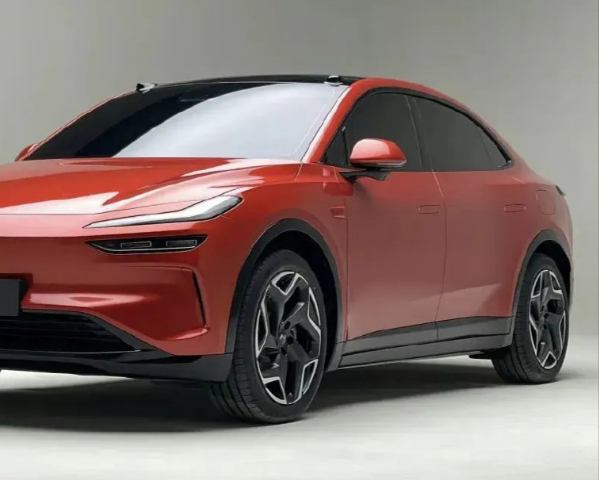
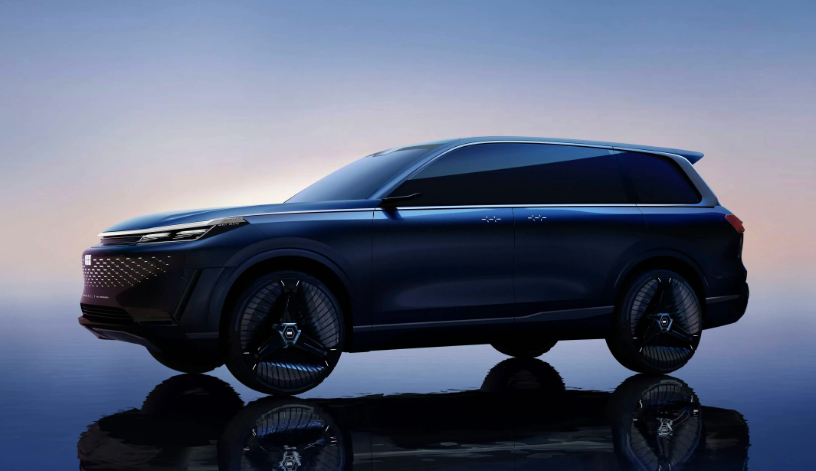
The global used electric vehicle market is evolving rapidly. While entry-level EVs continue to dominate volume sales, an increasing number of international dealerships are turning their attention to premium Chinese electric vehicles. In 2026, luxury-focused buyers are no longer looking solely at traditional European brands. Instead, they are exploring a growing selection of intelligent, feature-rich EVs that combine advanced technology, competitive pricing, and strong residual value.
For dealerships serving customers in the Middle East, Central Asia, Eastern Europe, and emerging EV markets, premium Chinese EVs represent a unique opportunity. Vehicles that were positioned as flagship models just a few years ago are now entering the secondary market, creating attractive sourcing opportunities for importers seeking high-specification inventory.
Why Premium Chinese EVs Are Gaining International Attention
China’s premium EV segment has developed quickly over the past several years. Manufacturers have invested heavily in battery technology, software ecosystems, intelligent driving systems, and luxury interior design.
As a result, many vehicles entering the used market today feature technologies that remain highly competitive even when compared with newly launched models.
Several factors are driving global demand:
- Advanced driver-assistance systems
- Long driving ranges
- Premium interior materials
- Fast-charging capabilities
- Competitive acquisition costs
- Strong battery State of Health (SOH) retention
For importers, the combination of modern technology and significant depreciation creates favorable market conditions.
Understanding the Strengths of China’s Premium EV Brands
While each manufacturer targets a slightly different customer segment, understanding their positioning can help buyers evaluate inventory opportunities more effectively.
| Vehicle Category | Key Characteristics |
|---|---|
| Extended-Range Electric Vehicles (EREVs) | Flexible long-distance usability |
| Premium Battery Electric Vehicles (BEVs) | Performance and technology-focused |
| Intelligent Connected EVs | Advanced software ecosystems |
Rather than focusing solely on brand recognition, buyers should evaluate vehicle condition, battery performance, software compatibility, and after-sales support potential.
The Importance of the 24-to-36-Month Depreciation Window
One of the most attractive aspects of sourcing premium used EVs from China is the depreciation cycle.
Many premium vehicles experience their most significant value reduction within the first few years of ownership.
Why This Matters for Importers
Vehicles entering the secondary market often still offer:
- Modern safety systems
- Advanced infotainment platforms
- Premium cabin materials
- Strong battery performance
- Relatively low mileage
For professional buyers, this creates opportunities to acquire well-equipped vehicles at substantially lower prices than their original retail values.
The key is identifying inventory with verified service histories and documented battery health reports.
Battery Condition Remains the Primary Value Driver
In the luxury EV segment, battery condition is often more important than vehicle age alone.
Importers should request comprehensive documentation covering:
- battery State of Health (SOH)
- Battery charging history
- Battery temperature records
- Cell voltage consistency
- battery diagnostic reports
A transparent battery evaluation process helps buyers better understand long-term ownership costs and future resale potential.
As EV buyers become more informed, documented battery performance is increasingly becoming a standard expectation.
Software and Connectivity Considerations
Modern premium EVs rely heavily on software functionality.
Features such as:
- Voice control
- Navigation systems
- Connected services
- Mobile applications
- Over-the-air updates
can significantly affect user experience.
Before importing inventory, buyers should assess:
- Language support options
- Navigation compatibility
- Regional connectivity requirements
- Account ownership status
- Availability of software localization
Understanding these factors before shipment can help reduce post-import adaptation costs.
Evaluating Charging Compatibility
Another important consideration is charging infrastructure compatibility.
Chinese vehicles are typically designed around the GB/T charging standard, while other markets may use different systems.
Importers should evaluate:
- Local charging infrastructure
- Adapter availability
- Fast-charging compatibility
- Long-term charging convenience
Proper planning can improve customer satisfaction and reduce operational challenges after delivery.
For dealerships targeting luxury EV customers, charging convenience is often an important purchasing factor.
Building a Premium EV Procurement Strategy
Successful sourcing involves more than selecting desirable models.
Professional buyers typically focus on:
Technical Verification
Including:
- vehicle inspection reports
- Battery diagnostics
- Service history records
- Software status verification
Market Suitability
Assessing:
- Local customer preferences
- Infrastructure readiness
- Regulatory requirements
- Competitive pricing
Long-Term Value
Evaluating:
- Battery longevity
- Technology relevance
- Maintenance requirements
- Future resale potential
A structured procurement strategy can help dealerships reduce risk while maintaining inventory quality.
Final Thoughts
The premium Chinese EV segment continues to attract growing international attention as more high-specification vehicles enter the used market. For dealerships and automotive trading companies, opportunities increasingly exist within the luxury electric vehicle category, particularly when sourcing vehicles with verified technical histories and transparent documentation.
Success in this segment depends on prioritizing measurable factors such as battery State of Health (SOH), comprehensive vehicle inspection reports, reliable battery diagnostic reports, and effective software localization strategies.
As global demand for premium electric mobility continues to expand, businesses that combine technical due diligence with disciplined sourcing practices will be better positioned to capitalize on the growing used luxury EV market.