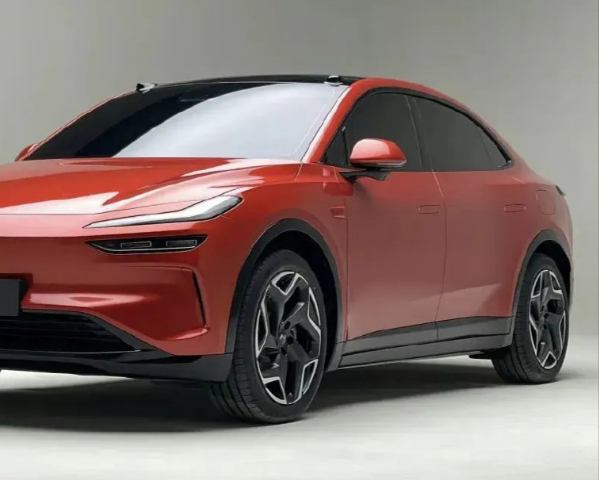
As the global market for pre-owned electric vehicles continues to expand, battery condition has become one of the most important factors influencing vehicle value, resale potential, and long-term operating costs.
Unlike traditional internal combustion engine vehicles, where buyers often focus on mileage and maintenance records, electric vehicle assessments require a deeper understanding of battery performance.
For dealerships, fleet operators, and automotive importers sourcing used EVs from China, evaluating battery health is not simply a technical exercise—it is a key component of risk management and profitability.
Understanding how battery condition is measured can help buyers make more informed purchasing decisions and avoid unexpected costs after import.
Why Battery Health Matters in Used EV Procurement
The battery pack is typically the most valuable component in an electric vehicle.
Depending on the model and battery capacity, it can represent a significant portion of the vehicle’s overall value.
As batteries age, their ability to store energy gradually decreases. This process is normal and occurs in all lithium-ion battery systems.
For used vehicle buyers, the challenge is determining how much usable battery capacity remains and whether the vehicle can continue to meet customer expectations in daily operation.
This is where battery health diagnostics become essential.
Understanding SOH and SOC
Two battery-related terms appear frequently in electric vehicle inspections:
- State of Charge (SOC)
- State of Health (SOH)
Although they sound similar, they measure completely different aspects of battery performance.
| Metric | Definition |
|---|---|
| State of Charge (SOC) | The battery’s current charge level at a specific moment |
| State of Health (SOH) | The remaining usable battery capacity compared with when the battery was new |
A vehicle may display 100% SOC because it has recently been charged.
However, that does not indicate the condition of the battery itself.
For example:
- New battery capacity: 100 kWh
- Current maximum capacity: 88 kWh
The battery would have an SOH of approximately 88%.
This means the vehicle can still function normally but may offer less driving range than when originally delivered.
For many international buyers, battery State of Health (SOH) has become one of the most important indicators when evaluating used EV inventory.
What Is Considered a Good SOH Score?
There is no universal standard because battery performance depends on vehicle age, mileage, climate conditions, and charging habits.
However, many industry participants use the following general reference points:
| SOH Range | Typical Assessment |
|---|---|
| Above 90% | Excellent condition |
| 85% – 90% | Strong resale value |
| 80% – 85% | Acceptable for most markets |
| Below 80% | Requires closer evaluation |
A three-year-old vehicle maintaining an SOH above 85% is generally viewed positively by many importers and fleet operators.
Of course, battery health should always be evaluated alongside overall vehicle condition and maintenance history.
LFP vs. NMC Batteries: Understanding Different Battery Chemistries
One reason China’s EV market attracts international buyers is the wide variety of battery technologies available.
The two most common battery chemistries are:
Lithium Iron Phosphate (LFP)
Advantages include:
- Longer cycle life
- Strong thermal stability
- Lower degradation rates
- Suitable for commercial fleets
LFP batteries are commonly used in many mainstream electric vehicles because of their durability and predictable long-term performance.
Nickel Manganese Cobalt (NMC)
Advantages include:
- Higher energy density
- Longer driving range
- Better performance in colder environments
NMC batteries are often found in premium and long-range vehicle models.
While both battery types can deliver strong performance, buyers should understand how local climate conditions and intended vehicle usage may influence long-term value.
Warning Signs Buyers Should Not Ignore
Battery degradation is normal.
However, certain conditions may indicate elevated risk.
Examples include:
Extended Deep Discharge
Vehicles left with extremely low battery charge levels for prolonged periods may experience accelerated degradation.
Inconsistent Charging History
Frequent exposure to extreme charging conditions can influence long-term battery performance.
Large Cell Voltage Differences
Significant variation between battery cells may suggest potential balancing or aging issues.
These factors are difficult to identify through a visual inspection alone, which is why diagnostic testing is important.
How to Verify Battery Health Before Importing
One of the biggest challenges for international buyers is evaluating vehicles remotely.
Fortunately, modern EVs generate extensive diagnostic information through their Battery Management Systems (BMS).
Request OBD Diagnostic Reports
Professional inspection providers can retrieve data including:
- Battery State of Health
- Cell voltage consistency
- Temperature records
- Charging history
- Error codes
This information provides a more objective assessment than dashboard screenshots alone.
Review Independent Inspection Reports
A comprehensive report should include:
- Mechanical condition
- Battery diagnostics
- Exterior inspection
- Interior assessment
- Vehicle history verification
Independent inspections help reduce purchasing risk and improve procurement transparency.
Compare Multiple Vehicles
Rather than evaluating a single vehicle in isolation, buyers should compare several units with similar specifications.
This provides a clearer understanding of market averages and helps identify unusually strong or weak battery performance.
The Emerging Second-Life Battery Market
Battery value does not necessarily disappear once automotive performance declines.
Many retired EV batteries are now being repurposed for energy storage applications.
Examples include:
- Residential solar storage
- Commercial energy storage systems
- Backup power applications
- Renewable energy projects
As demand for energy storage grows globally, second-life battery applications may help support residual battery value in the future.
While battery reuse economics vary by region, this growing sector adds an additional consideration when evaluating long-term asset value.
Why Battery Transparency Improves Vehicle Resale
Today’s EV buyers increasingly expect data-backed purchasing decisions.
Providing clear battery documentation can help:
- Increase buyer confidence
- Improve resale conversion rates
- Reduce post-sale disputes
- Support stronger pricing
Many dealerships now provide battery health certificates alongside standard vehicle inspection reports.
This practice helps differentiate inventory and demonstrates transparency to prospective customers.
Final Thoughts
As international demand for pre-owned electric vehicles continues to grow, battery evaluation has become a critical part of the sourcing process.
Successful importers look beyond vehicle appearance and focus on measurable indicators such as battery State of Health (SOH), battery chemistry, charging history, and independent diagnostic records.
By combining technical due diligence with transparent sourcing practices, dealerships and fleet operators can make more informed purchasing decisions and reduce risk when importing used electric vehicles from China.
In a market increasingly driven by data, battery transparency is no longer a competitive advantage—it is becoming an industry expectation.