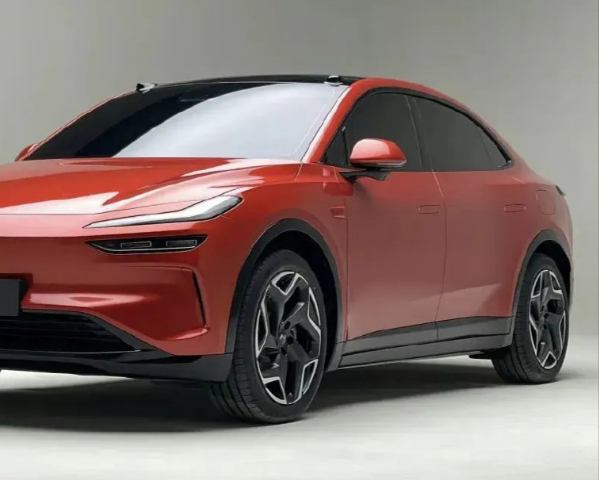
The global automotive market is entering a new phase as increasing numbers of Chinese-made electric vehicles (EVs) and plug-in hybrid electric vehicles (PHEVs) reach international secondary markets. For overseas dealerships, fleet operators, vehicle traders, and private importers, the growing availability of used Chinese EVs presents an opportunity to access advanced vehicle technology at significantly reduced acquisition costs.
However, evaluating a used electric vehicle differs fundamentally from assessing a conventional internal combustion engine (ICE) vehicle. While mileage, engine condition, and transmission performance remain central considerations for traditional cars, the long-term value of an EV depends heavily on battery condition, software functionality, charging compatibility, and overall system integration.
This guide outlines the key factors buyers should examine before purchasing or importing a used Chinese EV in 2026.
Battery Health: The Primary Indicator of EV Value
When assessing any used electric vehicle, the first priority should be the condition of the traction battery. The battery pack represents the most expensive component of the vehicle and has a direct impact on driving range, charging efficiency, and future ownership costs.
Most Chinese EV manufacturers currently utilize two primary battery chemistries:
- Lithium Iron Phosphate (LFP) batteries
- Nickel Manganese Cobalt (NMC) batteries
Among vehicles entering the export market, LFP batteries have become particularly popular due to their durability, thermal stability, and extended lifecycle. Compared with many alternative battery technologies, LFP packs generally experience slower degradation and can withstand a higher number of charging cycles.
Before completing any transaction, buyers should request a verified State of Health (SOH) report. In most cases, a well-maintained EV that is two to three years old should retain approximately 90% or more of its original battery capacity.
Beyond the SOH report, reviewing charging history, warranty status, and battery diagnostic records can provide valuable insight into long-term performance expectations.
Industry Insight: Vehicles equipped with LFP batteries are often better suited for regions where charging infrastructure remains limited, as frequent charging to 100% has less impact on battery longevity compared with some alternative chemistries.
Why PHEVs and EREVs Continue to Attract Global Buyers
Although fully electric vehicles dominate industry headlines, infrastructure development varies significantly between countries. In many emerging markets, charging networks remain limited outside major urban areas.
As a result, Plug-in Hybrid Electric Vehicles (PHEVs) and Extended-Range Electric Vehicles (EREVs) continue to play an important role in cross-border vehicle trade.
These vehicles combine electric propulsion with a gasoline-powered backup system, allowing drivers to complete daily commuting tasks on electricity while maintaining long-distance flexibility.
For dealerships and importers, used PHEVs often appeal to a broader customer base because they address one of the most common concerns associated with EV ownership: range anxiety.
In regions where charging accessibility remains inconsistent, hybrid-based electrification can represent a more practical transition pathway than adopting fully electric vehicles immediately.
Software Localization and Connected Vehicle Compatibility
Modern Chinese EVs are increasingly software-driven products. Large touchscreen interfaces, intelligent voice assistants, cloud-based services, and smartphone integration have become standard features across many vehicle platforms.
However, software compatibility can become a critical issue when vehicles are exported outside China.
Before importing a vehicle, buyers should evaluate:
- Availability of English or local-language system support
- Navigation map compatibility in destination markets
- Voice recognition language options
- Smartphone connectivity features
- Local network compatibility for 4G and 5G communication modules
- Future Over-the-Air (OTA) updates
Some systems designed exclusively for the Chinese domestic market may require software modification or hardware replacement to function properly abroad. Confirming localization capabilities before purchase can help avoid unexpected retrofit costs after importation.
EV-Specific Inspection Standards Buyers Should Not Ignore
A comprehensive inspection process remains essential when sourcing used vehicles internationally. However, EV inspections require additional procedures beyond traditional mechanical evaluations.
Battery Pack and Underbody Assessment
Because the battery pack is mounted beneath the vehicle floor, inspecting the underbody is particularly important.
Inspectors should verify that:
- The battery enclosure shows no signs of impact damage
- Protective shielding remains intact
- No corrosion or water intrusion is present
- Mounting points remain structurally secure
Even minor physical damage to a battery enclosure can lead to costly repairs or safety concerns.
Thermal Management System Verification
Effective temperature control is critical to battery longevity and charging performance.
Inspection reports should confirm:
- Proper coolant levels
- Absence of coolant leaks
- Normal operation of cooling pumps and thermal management components
- Stable battery operating temperatures during diagnostics
Charging Interface Compatibility
Most vehicles originally sold in China use the GB/T charging standard. Importers should verify local charging requirements and calculate adapter or conversion costs before finalizing purchases.
Depending on the destination market, compatibility solutions may involve:
- GB/T to CCS2 adapters
- GB/T to Type 2 charging adapters
- Charging port modifications for commercial fleets
Understanding these requirements early can prevent operational issues after delivery.
Evaluating the True Cost of Ownership
The purchase price alone rarely reflects the actual value of an imported used EV.
Buyers should calculate the complete Total Cost of Ownership (TCO), including:
- Vehicle acquisition costs
- International shipping expenses
- Import duties and taxes
- Port handling charges
- Registration and compliance fees
- Charging infrastructure requirements
- Potential software localization costs
Logistics planning also plays an important role. Depending on budget and delivery timelines, importers typically choose between Roll-on/Roll-off (RoRo) shipping and container transportation, each offering different cost and risk profiles.
Despite these additional considerations, EV ownership often delivers long-term savings through lower energy costs, reduced routine maintenance requirements, and fewer wear-prone mechanical components compared with conventional gasoline-powered vehicles.
With no engine oil changes, fewer drivetrain parts, and regenerative braking systems that reduce brake wear, maintenance expenditures are often significantly lower over the vehicle’s lifecycle.
Final Thoughts
The international market for used Chinese EVs and PHEVs continues to expand as manufacturers improve product quality, battery technology, and global brand recognition.
For buyers seeking affordable access to modern electric mobility, the most important evaluation criteria remain clear: verified battery health, reliable software functionality, charging compatibility, and a realistic understanding of long-term ownership costs.
A structured inspection process combined with transparent vehicle history documentation can substantially reduce purchasing risks and improve investment outcomes.
Our platform primarily focuses on delivering industry news, technical analysis, and market intelligence covering the rapidly evolving EV sector. At the same time, we maintain access to a carefully selected inventory of inspected export vehicles for international buyers. Whether you are researching battery technology trends or sourcing vehicles for commercial resale, combining accurate information with reliable supply channels can help streamline the entire procurement process.