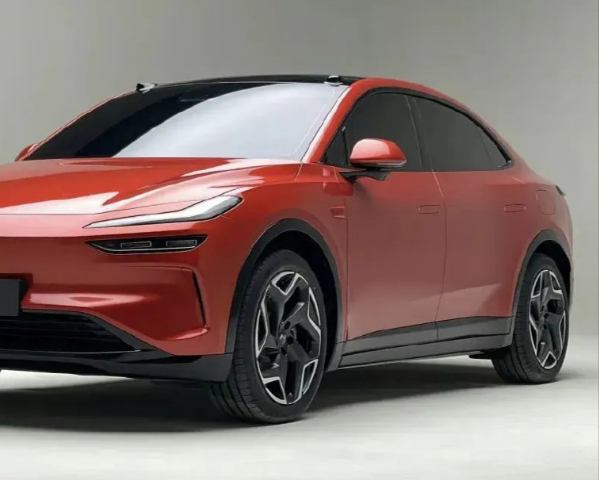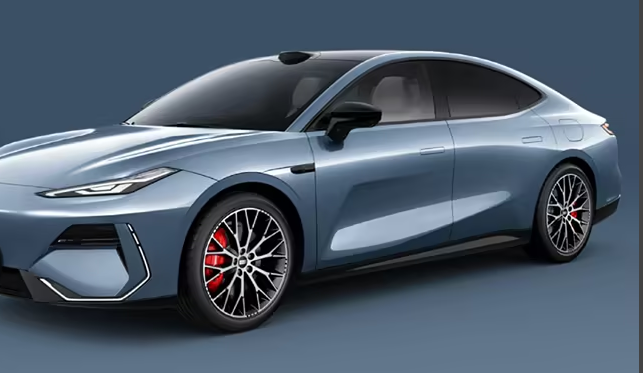
As global demand for affordable electric mobility continues to grow, China’s used electric vehicle market has become a major sourcing destination for automotive distributors, fleet operators, and vehicle importers worldwide. With millions of electric vehicles entering the secondary market each year, international buyers now have access to a wide selection of competitively priced battery-electric and hybrid vehicles.
However, importing a used EV from China involves much more than purchasing a vehicle and arranging shipment. Battery diagnostics, charging compatibility, customs regulations, software localization, and international logistics all play critical roles in determining whether a procurement project is successful.
The following FAQ addresses the most common questions raised by B2B buyers when sourcing used Chinese EVs in 2026.
Q1: How can buyers verify the condition and battery health of a used EV before export?
Battery condition is the single most important factor affecting the value and long-term performance of a used electric vehicle.
Unlike conventional vehicles, where engine condition can often be assessed mechanically, EVs require digital diagnostics to accurately evaluate battery performance. Professional exporters typically perform a complete battery inspection through the Battery Management System (BMS), collecting data through the OBD-II interface.
Key indicators include:
- Battery State of Health (SOH)
- Charging cycle count
- Cell voltage consistency
- Thermal management history
- Battery fault records
For international procurement projects, many buyers establish minimum acceptance standards, often requiring an SOH of at least 80%–85%.
In addition to battery diagnostics, a complete inspection should include structural integrity checks, suspension evaluation, accident history verification, and confirmation of maintenance records.
Working with suppliers that provide Battery Health Reports significantly reduces procurement risk and improves asset valuation accuracy.
Q2: Can Chinese EV software and connectivity systems be used internationally?
Modern Chinese EVs are highly connected vehicles, relying on integrated telematics, cloud services, mobile applications, and embedded SIM cards.
When exported outside China, certain connected functions may become unavailable due to regional network restrictions.
Before purchasing a vehicle, buyers should evaluate the feasibility of EV Software Localization for the specific make and model.
Typical localization procedures include:
- Switching the infotainment system to English or another local language
- Updating navigation software
- Reconfiguring telematics systems
- Assessing compatibility with local cellular networks
- Integrating third-party connectivity solutions
It is important to note that some China-specific services, including domestic navigation platforms and voice-assistant ecosystems, may not function in overseas markets.
Understanding software limitations before purchase helps avoid unexpected operational issues after delivery.
Q3: What charging compatibility issues should importers consider?
China uses the GB/T charging standard, while many overseas markets operate under CCS1, CCS2, or CHAdeMO protocols.
As a result, charging compatibility should be evaluated during the sourcing stage rather than after vehicle arrival.
Many fleet operators choose certified charging adapters that allow GB/T-equipped vehicles to connect with local charging infrastructure. This solution is often the most cost-effective option for immediate deployment.
For long-term commercial applications, some buyers invest in hardware modifications involving charging port replacement and onboard charger reconfiguration.
Before placing an order, importers should assess:
- Local charging infrastructure availability
- DC fast charging requirements
- Fleet utilization rates
- Adapter certification standards
Proper planning ensures that imported vehicles can integrate seamlessly into existing charging networks.
Q4: What are the safest and most efficient shipping methods for used electric vehicles?
Because lithium-ion batteries are classified as Class 9 hazardous materials, electric vehicles must comply with strict international shipping regulations.
The two most common export methods are:
Roll-on/Roll-off (RoRo) Shipping
RoRo shipping is generally preferred for large-volume vehicle exports due to its lower transportation cost and operational efficiency.
Container Shipping
Containerized transport is often used for smaller orders, premium vehicles, or destinations with limited RoRo services.
To comply with maritime safety requirements, exporters typically regulate battery State of Charge (SOC) before shipment.
Most carriers require battery levels between 20% and 50%, minimizing potential thermal risks while ensuring vehicles remain operational during loading and unloading.
Choosing experienced providers specializing in EV Export Logistics helps ensure regulatory compliance and smoother delivery processes.
Q5: Are import taxes different for BEVs, PHEVs, and EREVs?
Yes. Vehicle classification can significantly affect the total landed cost of an import project.
Pure Battery Electric Vehicles (BEVs) frequently qualify for favorable tariff treatment in many countries due to environmental policies designed to encourage electrification.
However, Plug-in Hybrid Electric Vehicles (PHEVs) and Extended-Range Electric Vehicles (EREVs) contain internal combustion engines, which may place them under different customs classifications.
As a result, importers may encounter:
- Standard import duties
- Engine-displacement taxes
- Environmental fees
- Additional certification requirements
Before finalizing a purchase, buyers should verify applicable HS codes and tax rates with local customs brokers.
Accurate calculation of Total Landed Cost prevents budgeting errors and improves procurement planning.
Q6: What payment methods are commonly used in international EV transactions?
Cross-border vehicle procurement requires secure payment structures that protect both buyers and sellers.
The most common arrangements include:
Telegraphic Transfer (T/T)
A typical structure involves:
- 30% deposit upon contract execution
- Vehicle allocation and inspection
- 70% balance payment after shipping documentation is issued
Letter of Credit (L/C)
For large fleet purchases, Letters of Credit provide additional transaction security.
Funds are released only after all contractual shipping and compliance conditions have been satisfied, reducing risk for both parties.
Buyers should also verify supplier credentials, export licenses, and documentation procedures before making any payment.
Implementing robust Cross-Border Vehicle Procurement procedures is essential for long-term sourcing success.
Q7: How can international buyers secure a stable supply of qualified used EV inventory?
One of the biggest challenges facing importers is obtaining consistent access to verified vehicle inventory.
Successful sourcing strategies depend on partnerships with organizations that understand both China’s domestic automotive market and international export requirements.
Reliable suppliers typically provide:
- Vehicle inspection reports
- Battery diagnostics
- Export documentation
- Logistics coordination
- Compliance support
- Inventory transparency
Platforms focused on Used EV Sourcing can streamline the procurement process by connecting buyers directly with export-ready inventory while providing the technical and regulatory information required for informed purchasing decisions.
For distributors, dealerships, and fleet operators seeking long-term supply stability, access to verified stock and transparent market data is often the foundation of a scalable import strategy.