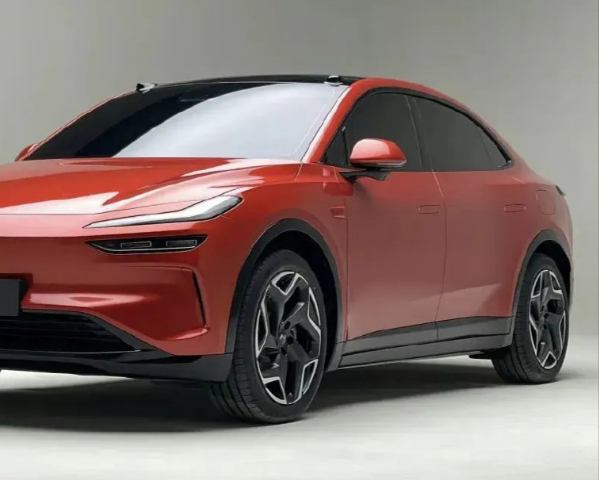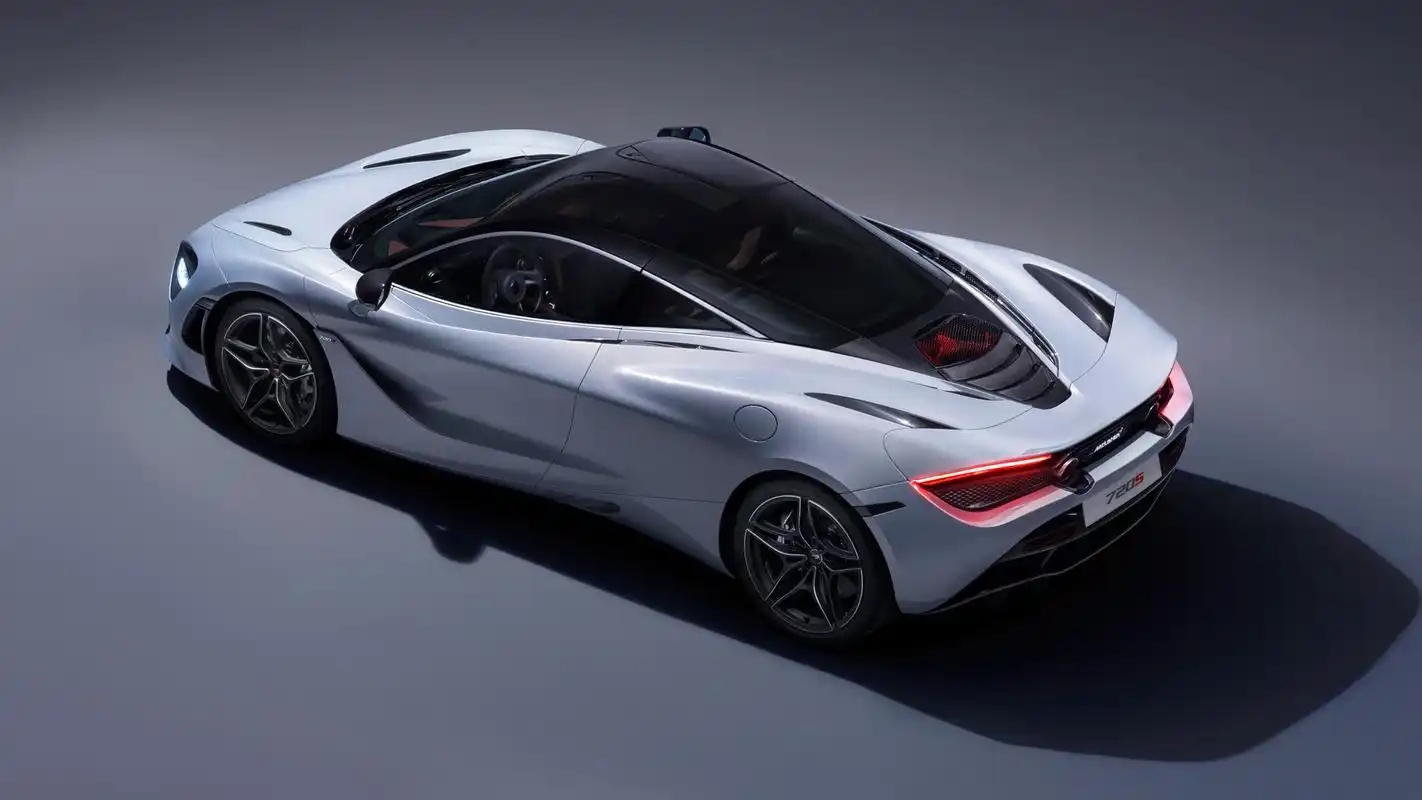
As demand for affordable electric mobility continues to grow worldwide, China has become one of the most important supply hubs for pre-owned electric vehicles (EVs). From dealership groups and fleet operators to independent importers, buyers across Europe, the Middle East, Africa, and Latin America are increasingly turning to the Chinese market for reliable inventory and competitive pricing.
Still, importing a used EV is very different from purchasing a conventional gasoline vehicle. Battery diagnostics, charging compatibility, export compliance, and international shipping regulations all play a critical role in determining whether a transaction becomes profitable or problematic.
This FAQ guide answers some of the most common questions international buyers ask before sourcing used EVs from China.
Why Are More Global Buyers Importing Used EVs from China?
The biggest advantage is market maturity.
China adopted electric mobility earlier and faster than most countries. As a result, the domestic secondary EV market now contains a large volume of relatively new vehicles with modern battery technology and updated software systems.
For importers, this creates several commercial benefits:
- More inventory availability
- Lower acquisition costs
- Faster vehicle turnover
- Access to newer-generation EV platforms
- Diverse vehicle categories for different consumer segments
Today, buyers can source compact urban EVs, electric sedans, premium SUVs, commercial vans, and extended-range electric vehicles (EREVs) directly from Chinese suppliers.
Many export-ready vehicles also include features that remain expensive in other markets, such as:
- LFP battery systems
- Advanced driver assistance systems (ADAS)
- Intelligent cockpit software
- Heat pump thermal management
- Fast charging capability
- OTA software updates
For dealerships and fleet operators, this opens the door to offering competitively priced EV inventory without sacrificing technology or driving range.
How Can Buyers Verify EV Battery Health Before Purchase?
Battery condition is the single most important factor when evaluating a pre-owned electric vehicle.
Professional exporters typically perform detailed diagnostic testing before vehicles are approved for international shipment. Instead of relying on dashboard screenshots or visual inspections, technicians access the Battery Management System (BMS) using specialized diagnostic equipment.
This process allows buyers to confirm:
- State of Health (SOH)
- Remaining battery capacity
- Battery cycle count
- Cell voltage consistency
- Thermal management performance
- Charging efficiency data
A high-quality supplier should provide transparent battery inspection reports before payment or shipment confirmation.
For commercial importers, accurate SOH verification is essential because battery degradation directly impacts:
- Resale value
- Fleet operating costs
- Consumer confidence
- Warranty risk
- Long-term profitability
In many export transactions, buyers now require battery reports as part of standard procurement documentation.
Are Chinese EV Charging Standards Compatible Overseas?
Yes — and this issue is much easier to solve today than it was several years ago.
Most Chinese-market EVs use the GB/T charging standard. However, international markets commonly rely on:
- CCS2
- Type 2
- CHAdeMO
To bridge this gap, importers typically use commercial-grade charging adapters designed for high-voltage DC fast charging.
Modern GB/T-to-CCS2 conversion systems are widely used across international EV export operations and allow vehicles to integrate smoothly into local charging infrastructure.
For end users, the experience becomes almost identical to driving a locally supplied EV.
This is especially important for:
- Taxi fleets
- Ride-sharing operators
- Logistics companies
- Public-sector fleet procurement
- Independent EV dealerships
Reliable charging compatibility significantly improves customer adoption and reduces post-sale friction.
How Are Used EVs Shipped Internationally?
Shipping electric vehicles requires additional safety and regulatory procedures because lithium-ion batteries are classified as hazardous cargo under international maritime standards.
Most exporters use one of two transport methods:
RoRo Shipping (Roll-on/Roll-off)
RoRo vessels are commonly used for large-volume EV exports. Vehicles are driven directly onto specialized cargo ships and secured for transit.
Advantages include:
- Lower shipping cost per unit
- Faster loading procedures
- Reduced handling damage
- Efficient fleet transportation
This method is ideal for dealership inventory or commercial fleet orders.
Container Shipping
Container shipping is more common for:
- Smaller orders
- Premium EV models
- High-value units
- Buyers requiring additional cargo protection
Vehicles are secured inside 40-foot containers using specialized lashing systems.
Professional exporters also manage critical compliance requirements, including:
- IMDG documentation
- Customs declarations
- Battery safety certifications
- Export inspection paperwork
During shipment, battery State of Charge (SOC) is typically reduced to comply with maritime safety regulations and minimize thermal risks.
Is After-Sales Support Available for Imported Chinese EVs?
This is one of the biggest misconceptions in the market.
Many buyers assume importing vehicles from China means losing access to replacement parts or technical support. In reality, the global EV supply chain has become far more connected and sophisticated.
Established sourcing partners can usually provide continued access to:
- OEM replacement components
- Suspension systems
- Exterior body parts
- Electronic modules
- Battery-related hardware
- Interior components
In addition, many modern EVs support remote software updates, allowing:
- Language localization
- Infotainment upgrades
- System optimization
- Bug fixes
- Navigation updates
For dealerships, maintaining access to spare parts and technical resources is essential for long-term customer retention.
Can Individual Buyers Use the Same Export Supply Chain?
Absolutely.
Although large-scale dealership procurement dominates the industry, the export infrastructure itself is highly flexible.
Individual buyers can often access the same:
- Vehicle inspection standards
- Battery testing procedures
- Shipping channels
- Documentation support
- Compliance services
Whether importing one vehicle or an entire container, reputable suppliers generally follow identical inspection and export procedures.
This allows independent buyers to benefit from commercial-grade transparency and sourcing reliability.
What Should Buyers Look for in a Reliable EV Export Partner?
Choosing the right sourcing partner is often more important than choosing the vehicle itself.
A professional export company should provide:
- Transparent vehicle history reports
- Verified battery diagnostics
- Clear export documentation
- International shipping experience
- Responsive communication
- Spare parts support
- Market-specific compliance guidance
The best suppliers also understand the differences between regional import regulations, charging infrastructure, and local consumer expectations.
For global buyers, working with an experienced sourcing platform significantly reduces operational risk while improving purchasing efficiency.
Final Thoughts
The international used EV trade is evolving rapidly, and China remains at the center of this transformation.
For dealerships, fleet operators, and independent importers, sourcing pre-owned electric vehicles from China offers access to competitive pricing, advanced technology, and scalable inventory.
However, successful importing requires more than simply locating available vehicles. Battery diagnostics, shipping compliance, charging compatibility, and after-sales support all play a major role in long-term profitability.
Buyers who partner with experienced export specialists are far more likely to avoid costly procurement mistakes and build sustainable EV distribution channels in their local markets.